
Quick answer
The Loch Ness Centre in Drumnadrochit opens daily 09:30–18:00, with adult exhibition entry at £19.95. Independent boat operators run cruises from multiple harbours along the loch, typically departing hourly in season. Arriving between 10:00–11:30 avoids the midday coach-group surge and catches better light for photography across the water, though monster sightings remain statistically rare regardless of timing.
Loch Ness holds more freshwater than all the lakes in England and Wales combined, yet its most famous resident has never been conclusively photographed. The search begins at the Loch Ness Centre, where multi-sensory exhibitions trace every major expedition from the 1930s surgeon's photograph hoax to modern hydrophone arrays and environmental DNA sampling. The centre occupies the former Drumnadrochit Hotel, where many historic sightings were first reported over whisky and scepticism in equal measure. Nessie hunting expeditions on the loch itself split between narrated cruises that follow the western shore past Urquhart Castle and smaller rib boats that venture into the deeper northern basin where sonar has recorded unexplained contacts. The water's high peat content limits visibility to roughly three feet, and the loch's thermocline creates sonar shadows that have fuelled decades of ambiguous readings. Serious searchers study the Loch Ness Centre's archive of eyewitness accounts before heading out, noting that most sightings cluster near Urquhart Bay and the river mouths where salmon runs attract large pike and sturgeon. The castle ruins at Urquhart provide the single most-photographed vantage point, where the loch's surface stretches unbroken toward Inverness 14 miles northeast. October through March brings the clearest water conditions as algae die back, though summer's long daylight extends viable search hours past 21:00. Autumn weather in the Highlands turns quickly, and boat departures cancel in winds above 20 knots when the loch's fetch generates steep chop. Drumnadrochit serves as the operational hub, with the Loch Ness Centre anchoring a strip of monster-themed shops, boat ticket kiosks, and the Original Loch Ness Monster Exhibition a quarter-mile south. Most visitors pair the centre's evidence displays with a 90-minute cruise, then drive the single-track B862 along the loch's eastern shore where traffic thins and pull-offs offer unobstructed scanning opportunities. The Highland Council maintains a live webcam at Shoreland Lodge that captures the central loch in real time, allowing remote monster watchers to review footage before committing to the journey north from Edinburgh or Glasgow.
“The loch's high peat content limits underwater visibility to roughly three feet, turning every sonar contact into decades of debate.”
Best Time for a Loch Ness Monster Tour
The single best window is 10:00 to 11:30 on a weekday, when coach groups have not yet arrived and the low-angle morning light gives the clearest view across the water for spotting and photos. Season matters too: daylight hours and loch conditions swing widely between summer and winter.
Morning arrival, 10:00–11:30
Fewer coach groups, quieter paths— (varies by season)
This slot consistently beats midday and afternoon for crowd levels, since most tour buses arrive from late morning onward, and the flatter morning light improves both surface visibility for sightings and boat photography.
Summer (Jun–Aug)
Busiest months, peak coach trafficHighs around 17–19°C, mild evenings
Long daylight (up to 17-plus hours) extends viewing time and keeps boat decks comfortable, but midday and early afternoon get congested with tour groups and self-drive visitors alike.
Spring and autumn (Apr–May, Sep–Oct)
Moderate, lighter on weekdaysHighs around 11–15°C, cooler mornings
Fewer crowds than summer with still-decent daylight, and calmer loch water in early autumn often gives a smoother, clearer surface for spotting than summer's choppier afternoons.
Winter (Nov–Mar)
Quietest months overallHighs around 6–9°C, short daylight (as little as 7 hours)
Limited daylight compresses the viable visiting window and boat trips can be colder and choppier, though the near-empty paths and loch make this the calmest time to look and shoot photos without other visitors in frame.
Verdict: Weekday mornings between 10:00 and 11:30 in May, September, or early October offer the strongest combination of light, daylight length, and low crowd levels for a Loch Ness visit.
How to Plan Your Loch Ness Monster Tour Day
This plan suits visitors who want to experience both the exhibition and a boat tour in a single visit, taking roughly 4–5 hours from arrival to departure.
Arrive at Loch Ness Centre
Park at the Loch Ness Centre in Drumnadrochit and head straight to the ticket desk to secure your exhibition entry and check boat tour departure times for the afternoon.
Explore the Exhibition
Walk through the multi-room exhibition covering sonar evidence, eyewitness accounts, and geological history—budget 60–75 minutes to read displays without rushing.
Lunch in Drumnadrochit
Several cafés and pubs line the village; a 45-minute break lets you avoid the midday coach-tour wave and refuel before the water portion.
Board Your Loch Ness Cruise
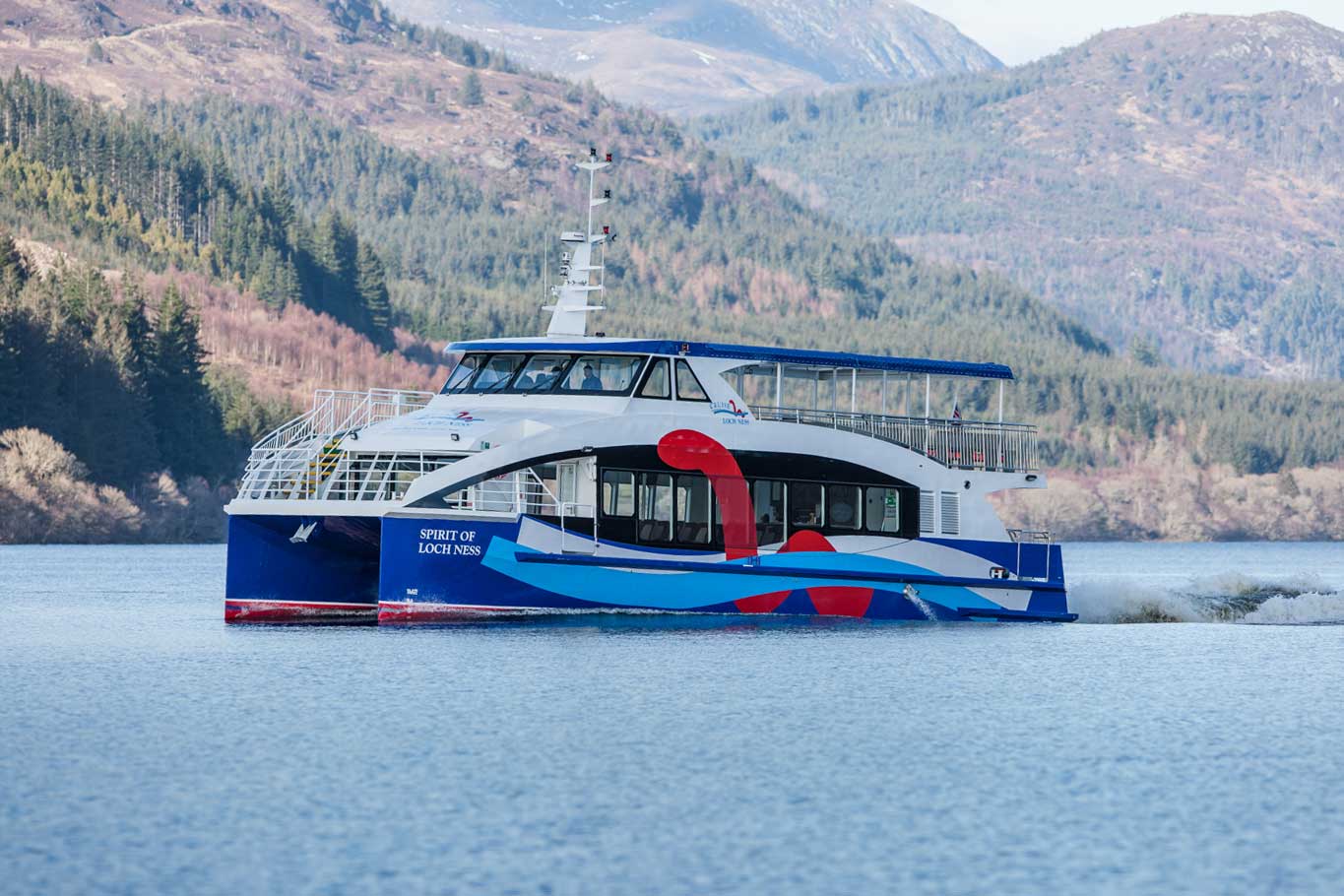
Most operators depart from nearby piers; cruises last 60–90 minutes and pass Urquhart Castle ruins while scanning for surface ripples.
Walk Urquhart Castle Grounds
If your boat tour includes a castle stop or you drive there afterward, allow 30–45 minutes to photograph the tower and loch view from the promontory.
Browse the Gift Shop & Depart
Return to the Centre to collect any souvenirs, use facilities, and leave before the evening rush on the A82.
Loch Ness Monster Tour Opening Hours
The Loch Ness Centre in Drumnadrochit keeps the same hours every day of the week, opening at 09:30 and closing at 18:00.
| Monday | 09:30 – 18:00 | |
|---|---|---|
| Tuesday | 09:30 – 18:00 | |
| Wednesday | 09:30 – 18:00 | |
| Thursday | 09:30 – 18:00 | |
| Friday | 09:30 – 18:00 | |
| Saturday | 09:30 – 18:00 | |
| Sunday | 09:30 – 18:00 |
Getting to Your Loch Ness Monster Tour Departure Point
The Loch Ness Centre sits on the A82 in Drumnadrochit, on the northwest shore of the loch about 16 miles southwest of Inverness. Most visitors arrive by car via the A82 or by coach or bus service running along the same road between Inverness and Fort William.
A82 from Inverness to Drumnadrochit, IV63 6TU
A82 from Fort William to Drumnadrochit
Stagecoach Inverness–Fort William service on the A82 to Drumnadrochit
Scheduled tour coach services from Inverness city centre to Drumnadrochit
Inverness to Drumnadrochit via A82
Facts Behind the Loch Ness Monster Tour Legend
Long before it became a tourist draw, Loch Ness was studied for its genuine natural statistics and for the decades of investigations into its most famous claimed resident. The exhibition at the Loch Ness Centre presents these documented findings alongside the story of how the legend grew.
7.4 cubic kilometers of water
Loch Ness holds more fresh water than every lake in England and Wales combined, making it the largest loch in Great Britain by volume.
230 meters at its deepest point
The loch reaches a maximum depth of around 755 feet, deep enough to submerge most buildings and obscure sonar readings in silt-darkened water.
1934 Surgeon's Photograph exposed as a hoax
Taken by Robert Kenneth Wilson and published in the Daily Mail, the image was revealed in 1994 when Christian Spurling confessed it showed a small model, not a living creature.
1987 sonar sweep called Operation Deepscan
A coordinated flotilla used sonar arrays to scan the loch's full depth and width in a single pass, recording no evidence of a large unidentified animal.
2003 loch-wide sonar and satellite survey
A BBC-backed team searched the entire loch using satellite tracking and sonar equipment, again returning no conclusive sign of an unknown creature.
2018 DNA survey led by Neil Gemmell
Researchers from the University of Otago collected environmental DNA samples across the loch, finding no genetic trace of reptiles or other unexplained large species.
Large amounts of eel DNA detected
The same 2018 survey found substantial eel DNA, which some researchers cite as a possible explanation for historic sightings.
Evidence-based exhibition approach at the centre
The Loch Ness Centre presents these sonar, DNA and photographic findings in sequence, letting visitors examine the documented record rather than folklore alone.
Loch Ness Monster Tour: Myths vs What Evidence Shows
Loch Ness has drawn monster claims for nearly a century, and each new photo, sonar blip, or study gets amplified before its context or limits are explained. That gap between a headline and the underlying data is where most misconceptions take hold.
MythThe monster is a surviving plesiosaur from the age of dinosaurs
FactMarine reptile experts note plesiosaurs were not built for cold freshwater and the fossil record shows they went extinct roughly 66 million years ago, long before Loch Ness existed in its current form. No fossil or physical evidence supports a surviving population.
MythA 2019 DNA study proved a monster-like creature lives in the loch
FactThe 2019 University of Otago eDNA survey, led by Neil Gemmell, found no reptilian or unknown large-animal DNA. It detected large amounts of eel DNA, which the team said could explain some sightings but does not confirm a giant eel or unknown species.
MythSonar contacts and underwater images confirm a large unidentified animal
FactSonar readings from various expeditions have picked up moving objects, but researchers have attributed most to fish shoals, seals, boat wakes, or equipment artefacts. None have been independently verified as an unknown animal.
MythMost famous photos of the monster are unexplained and likely genuine
FactSeveral widely circulated images, including the well-known 1934 photograph, have been traced to hoaxes or misidentified objects by the photographers or researchers involved, a history the site's facts section covers in detail.
MythScientists agree something unknown is living in the loch
FactNo peer-reviewed study has produced physical evidence of an unknown species. Mainstream biologists attribute sightings to known animals, floating debris, or optical effects on the water.
What to Combine With Your Loch Ness Monster Tour
Drumnadrochit sits close to several sights that suit a Loch Ness day out, from lochside ruins to the region's main town.
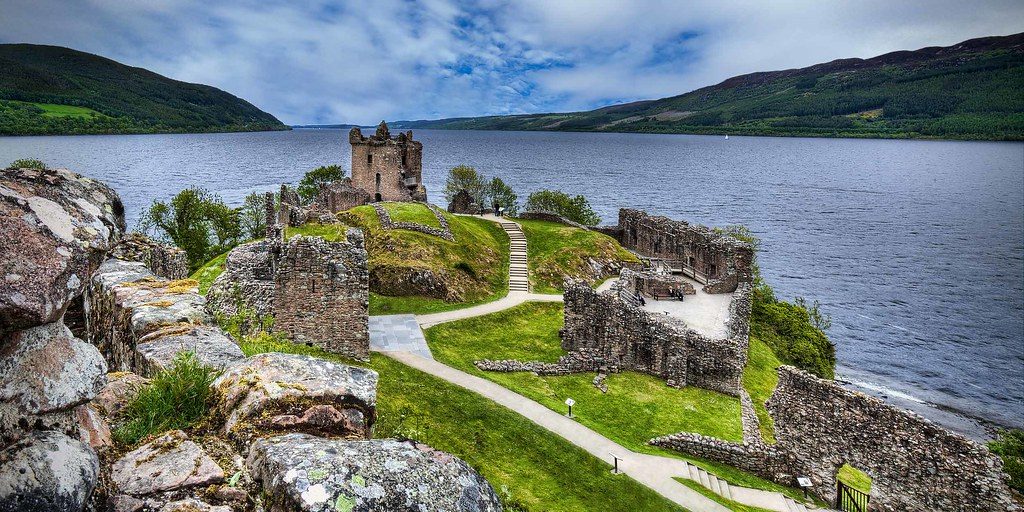
Urquhart Castle
Ruined castle on the loch shore just south of Drumnadrochit, with clear views over the water where sonar and eyewitness sightings are most often reported.
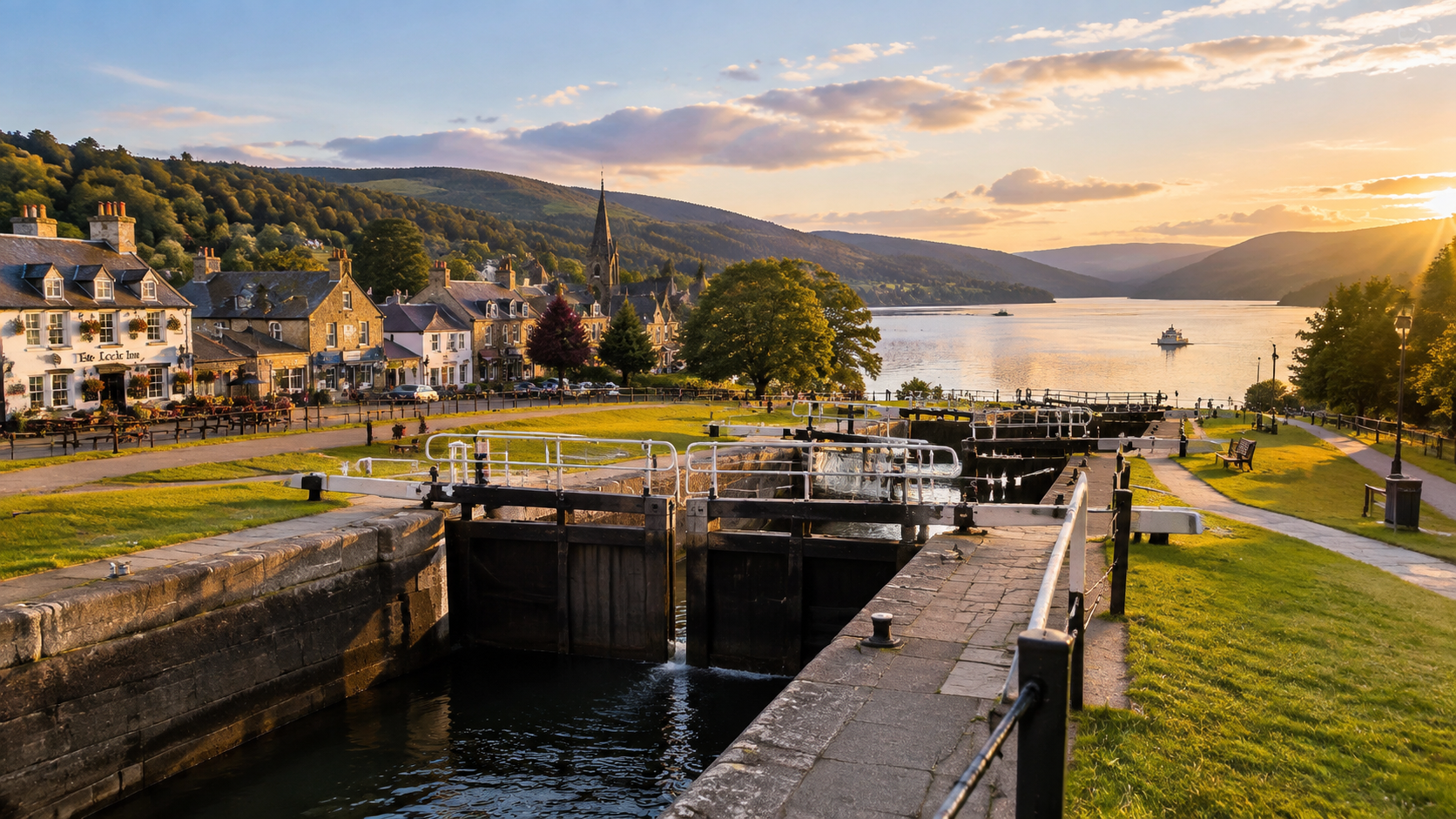
Fort Augustus
Village at the loch's southern tip where the Caledonian Canal locks meet the water, a good stop for lunch and a walk along the flight of locks.
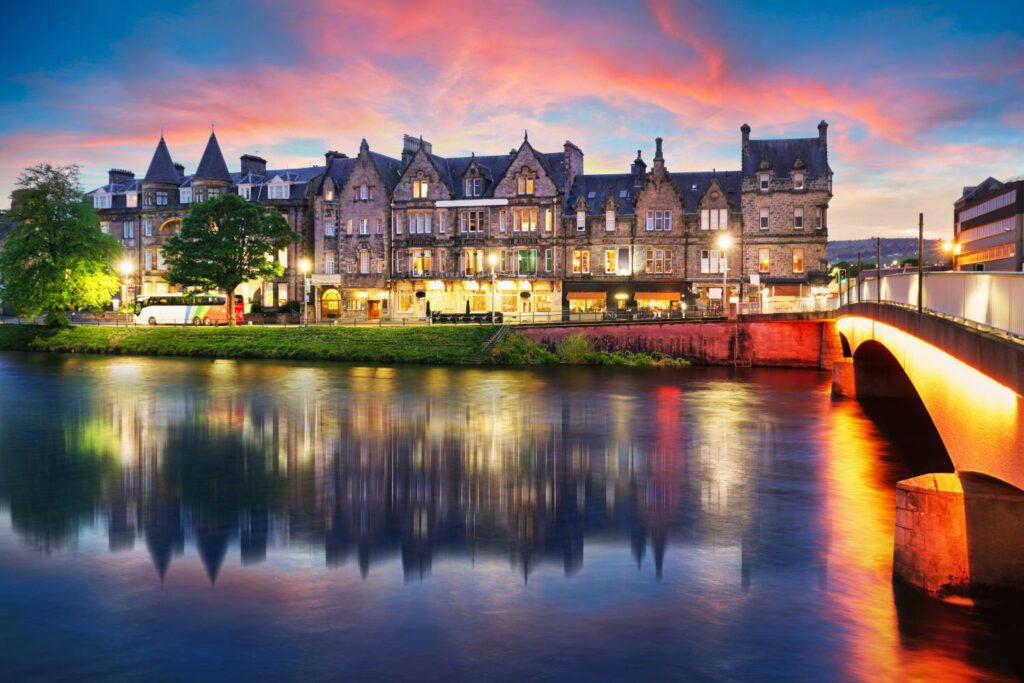
Inverness
Highland capital with its riverside castle and old town, useful as a base before or after the loch and for onward transport connections.
Check availability
Loch Ness Monster Tour: Frequently Asked Questions
Everything you need to know about loch ness monster tour