

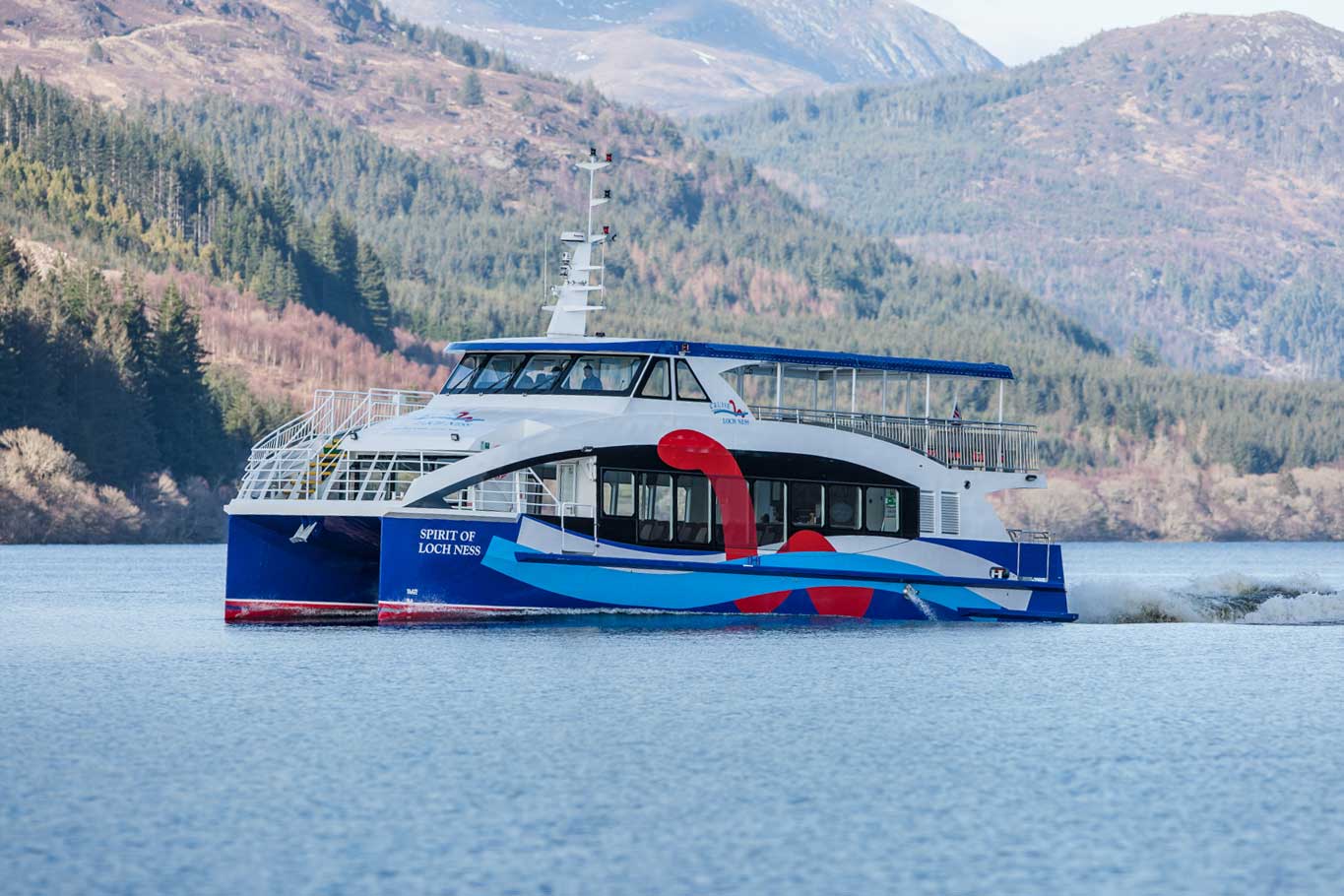
Quick answer
A Loch Ness boat tour is worth it if you want sonar exploration, castle perspectives from the water, and guided myth interpretation—most cruises run 60-90 minutes and include live sonar screens that sweep the loch's 230-metre depths. The tour loses value if you expect monster sightings, dramatic underwater reveals, or shoreline access you can't get by car; the loch itself remains free to visit from multiple roadside pull-offs between Inverness and Fort Augustus.
Ninety-three percent of Loch Ness lies below twenty metres depth, and no public road grants a vantage of that submerged topography. Boat tours exist to address that gap—most operators mount sonar equipment that projects real-time loch-floor contours onto cabin screens, turning the cruise into a live survey rather than passive sightseeing. The Great Glen's glacial trench holds more freshwater than all the lakes in England and Wales combined, and sonar reveals the submerged ridges and thermocline layers where temperature shifts create the optical distortions that fuelled centuries of sighting reports. The castle perspective matters more than operators admit. Urquhart Castle's ruins occupy a rocky promontory that juts into the loch, and photographs from the shore compress the structure against the hillside behind it. From the water, the castle's defensive positioning becomes legible—you see why medieval lords chose this exact point to control the glen, and how the tower house commanded sightlines up and down the loch. Most cruises pass within two hundred metres of the walls, close enough to distinguish individual window frames and the cannon ports added during the sixteenth-century artillery wars. The onboard Nessie narrative varies by operator, but the better guides frame the legend through ecology rather than cryptozoology—they explain how sturgeon migrations, standing waves, and algae blooms create the surface disturbances that match historical descriptions, then let you draw conclusions. The weaker tours play monster-hunter theatre, complete with grainy photograph reproductions and speculation that substitutes for natural history. If the commentary leans toward the latter, you are paying for entertainment rather than interpretation. A Loch Ness boat tour worth it calculation hinges on whether you value explanation over encounter. The cruise will not surface a plesiosaur or deliver shoreline access the A82 trunk road does not already provide for free. It will show you the loch's underwater architecture, position the castle in its strategic context, and demonstrate why nineteenth-century sightings clustered in specific bays where light refracts through peat-stained water. For visitors who approach the loch as a geological and folkloric site rather than a monster-spotting checklist, that explanatory layer justifies the ticket. For those expecting revelation or exclusive scenery, the roadside pull-offs between Dores and Drumnadrochit deliver equivalent views at no cost.
“Sonar reveals the submerged ridges and thermocline layers where temperature shifts create the optical distortions that fuelled centuries of sighting reports.”
Loch Ness Boat Tour Worth It: Cruise vs Shore Viewpoints vs Kayak
Deciding whether a Loch Ness boat tour is worth it usually comes down to choosing between a paid cruise, free shore viewpoints, and a self-drive kayak or canoe route, each giving a different vantage on the water and a different chance of a Nessie sighting.
|
Top pick Boat Cruise Guided vessel on the loch, sonar/commentary |
Shore Viewpoints Free roadside and castle-adjacent viewing points | Kayak / Self-Drive Independent paddling or driving the shoreline road | |
|---|---|---|---|
| What you see | Open water, mid-loch depth readings on sonar displays, surrounding hills from the water | Fixed shoreline views, Urquhart Castle ruins from land, surface only | Water-level views you choose, closer access to quiet coves and bays |
| Time required | 1 to 2 hours per cruise departure | 15 to 45 minutes per stop | 2 to 4 hours for a paddling session or several stops by car |
| Typical cost tier | Mid-range, separately ticketed and not covered by any gate fee | Free, no charge to view the loch or shoreline | Mid-range for kayak hire, free if using own vehicle and roadside stops |
| Weather dependency | Low, cruises run in light rain and moderate wind | Very low, viewing possible in most conditions | High, wind and rain limit paddling safety and visibility |
| Nessie-spotting chance | Highest, sonar equipment scans depths cruises can't see from shore | Lowest, limited to surface glimpses from a fixed distance | Moderate, closer to water but no sonar and narrower sightlines |
| Best for | Visitors wanting sonar data and the widest water coverage in one trip | Visitors with limited time or budget passing through the area | Visitors wanting a slower, self-paced look at specific bays or coves |
Verdict: Choose the boat cruise for the best odds of a genuine sighting via sonar, shore viewpoints if time or budget is tight, and kayaking if you want a quieter, closer look at the water without a guided schedule.
Facts About Loch Ness That Explain Why the Boat Tour Is Worth It
Loch Ness holds more water than any other lake in Great Britain, and its scale is easier to grasp from the deck of a boat than from a single shoreline viewpoint. The figures below, all independently documented, show why a cruise adds a perspective that a shore stop alone cannot.
It holds 7.4 billion cubic metres of water
Loch Ness contains more freshwater than all the lakes in England and Wales combined, a volume confirmed by multiple bathymetric surveys of the loch.
The loch reaches 230 metres deep
Its maximum recorded depth makes it the second deepest lake in Scotland after Loch Morar, and that depth is a major reason sonar searches have never fully mapped its floor.
It stretches 37 kilometres long
Loch Ness runs from Fort Augustus to Inverness as part of the Great Glen, and its length means shore-based views only ever show a fraction of the water at once.
Visibility drops below 1 metre
Peat particles suspended in the water limit underwater visibility sharply, which is one reason sonar rather than diving has been the main tool in scientific surveys of the loch.
Operation Deepscan surveyed the loch in 1987
This organized sonar sweep used 24 boats working in a coordinated line across the entire loch, producing one of the most thorough underwater surveys ever conducted there.
The loch never fully freezes
Its enormous water volume keeps the temperature stable enough that Loch Ness does not ice over in winter, unlike many smaller Highland lochs.
It forms part of the Great Glen Fault
The loch sits along a geological fault line that cuts diagonally across Scotland, and this origin explains its long, narrow, steep-sided shape.
The Loch Ness Project has surveyed since the 1970s
This long-running research effort has used sonar and monitoring equipment to study the loch's ecology and structure, work that is easier to observe firsthand from the water than from land.
Loch Ness Boat Tour Worth It: Separating Nessie Myth From Fact
Loch Ness has drawn speculation for decades, and a handful of photographs and sonar readings from the 20th century get repeated so often they are mistaken for settled evidence. Knowing what has actually been debunked or left unresolved helps set realistic expectations before a cruise.
MythThe 1934 'Surgeon's Photograph' is genuine evidence of a creature
FactThe image was revealed as a hoax in 1994 when Christian Spurling confessed before his death to staging it with a toy submarine and a modeling-clay head.
MythThe 1972 'flipper photo' shows a real limb in the water
FactResearchers later determined the photo had been retouched, with the flipper-like shape enhanced from a much vaguer, indistinct blur in the original frame.
MythSonar has repeatedly picked up an unidentified large animal
FactOperation Deepscan in 1987 recorded several large sonar contacts that were never conclusively explained, but 'unexplained' is not the same as confirmation of a creature.
MythThe Loch Ness monster legend started with the 1930s photographs
FactWritten accounts of a creature in the loch go back to a 565 AD account involving St. Columba, though that source is a religious hagiography rather than a naturalist's record.
MythEvery modern sighting is a deliberate hoax for tourism money
FactMost reported sightings are attributed to misidentified logs, boat wakes, deer swimming across the loch, or optical effects on the water, rather than intentional fabrication.
Best Time for a Loch Ness Boat Tour to Be Worth It
For a Loch Ness boat tour, arrival between 09:30 and 11:00 gives the calmest water and the smallest crowds before midday coach groups arrive, and pairing that window with the shoulder seasons of May, June or September adds mild weather without peak summer congestion.
Late morning (09:30–11:00)
Smaller crowds, fewer coach groups—
Water is generally calmer earlier in the day, which improves visibility and photo conditions on the loch. This slot consistently precedes the midday tour rush.
Summer (June–August)
Heavy crowds, especially midday to afternoonMild, around 15–19°C, long daylight
Long daylight hours extend the viable tour window into the evening, but midday departures compete with the largest number of visitors and coach parties.
Shoulder season (April–May, September–October)
Moderate, thinner than summerCooler, roughly 8–14°C, changeable
Fewer visitors than summer with reasonably stable conditions, making it easier to get an early or late departure without large crowds.
Winter (November–February)
Light crowds, quiet operationsCold, often 2–7°C, shorter daylight
Shorter daylight limits the number of daily departures, and conditions can turn choppy or overcast, so checking a specific operator's schedule matters more this time of year.
Verdict: The best combination is a 09:30–11:00 departure during May, June or September, when water is calmest and crowds are lightest without winter's shortened daylight.
Getting to Loch Ness for Your Boat Tour
Loch Ness sits in the Scottish Highlands southwest of Inverness, which functions as the main gateway for boat tour departures at towns including Drumnadrochit and Fort Augustus. Most visitors arrive either by self-drive car via the A82 or on a coach transfer booked from Inverness.
A82 from Inverness to Drumnadrochit or Fort Augustus
Stagecoach service 917/919 from Inverness Bus Station to Drumnadrochit
Organised transfer coach from Inverness city centre to loch-side departure piers
ScotRail to Inverness Railway Station, then onward bus or coach to the loch
Taxi from Inverness city centre to Drumnadrochit or Fort Augustus pier
Tips to Make a Loch Ness Boat Tour Worth It
A few practical habits separate a routine cruise from one that actually pays off once you are back on the pier.
Sit near the sonar display
Most Loch Ness cruise boats run an onboard sonar or depth-sounder screen at the helm or saloon area, and standing near it lets you watch the loch floor drop away to over 200 metres in real time. Ask the skipper where the screen is visible from the passenger deck as soon as you board.
Layer for wind, not cold
Loch Ness sits in a long glacial trench that funnels wind along its length, so the open top deck can feel far colder than the car park even on a mild day. Bring a windproof outer layer rather than just a warm one, since it's the wind chill off the water that catches people out.
Charge batteries the night before
Cold, damp air over the loch drains phone and camera batteries faster than on land, and there are no charging points on board. Start the trip at full charge and consider a compact power bank if you plan to film long stretches of shoreline or ruins.
Keep both sides covered
Sightings, castle views and shoreline geology don't all appear on one side of the boat, so switching sides periodically rather than claiming one rail for the whole trip improves your odds of catching whatever the crew points out. Crews often narrate over a speaker, so you won't miss commentary by moving around.
Ask crew about recent activity
Skippers and deckhands operate the loch daily and often have informal knowledge of where recent sonar contacts or unusual readings occurred. A direct question early in the trip sometimes prompts them to steer or linger near a spot they'd otherwise pass without comment.
Bring motion sickness prevention
Open water on Loch Ness can develop a noticeable swell when wind picks up along its 37 km length, and this catches out visitors expecting a sheltered lake. If you're prone to motion sickness, take precautions before boarding rather than once underway, since turning back mid-cruise isn't an option.
Pack dry storage for electronics
Spray comes over the bow rails more often than first-timers expect, especially at the front of the boat. A dry bag or resealable pouch for phones and cameras avoids a ruined afternoon of photos.
What to Combine With a Loch Ness Boat Tour
A boat tour pairs naturally with a few genuine sights clustered along the loch's western shore, letting visitors combine time on the water with a walk through history and a stop in the local village hub.
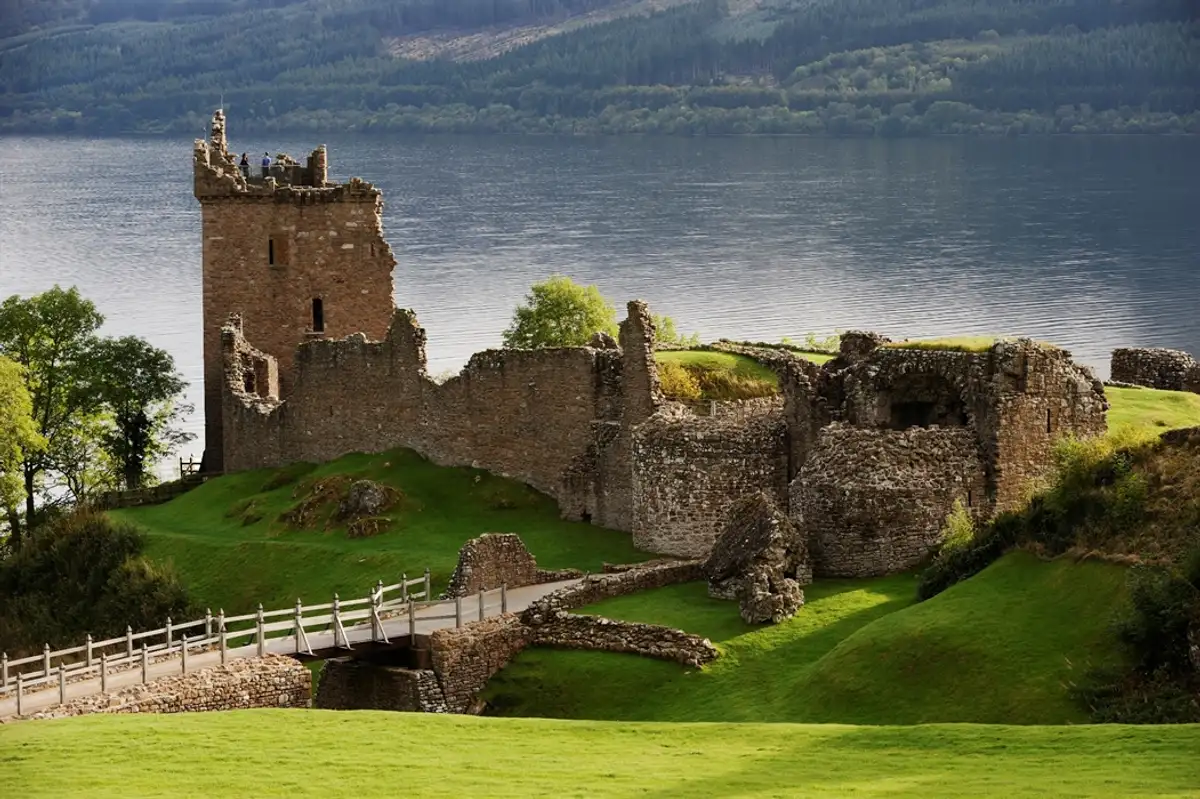
Urquhart Castle
Many cruises sail directly past or near these ruins on the loch shore, so seeing them from the water and then walking the site afterward gives two perspectives on the same landmark
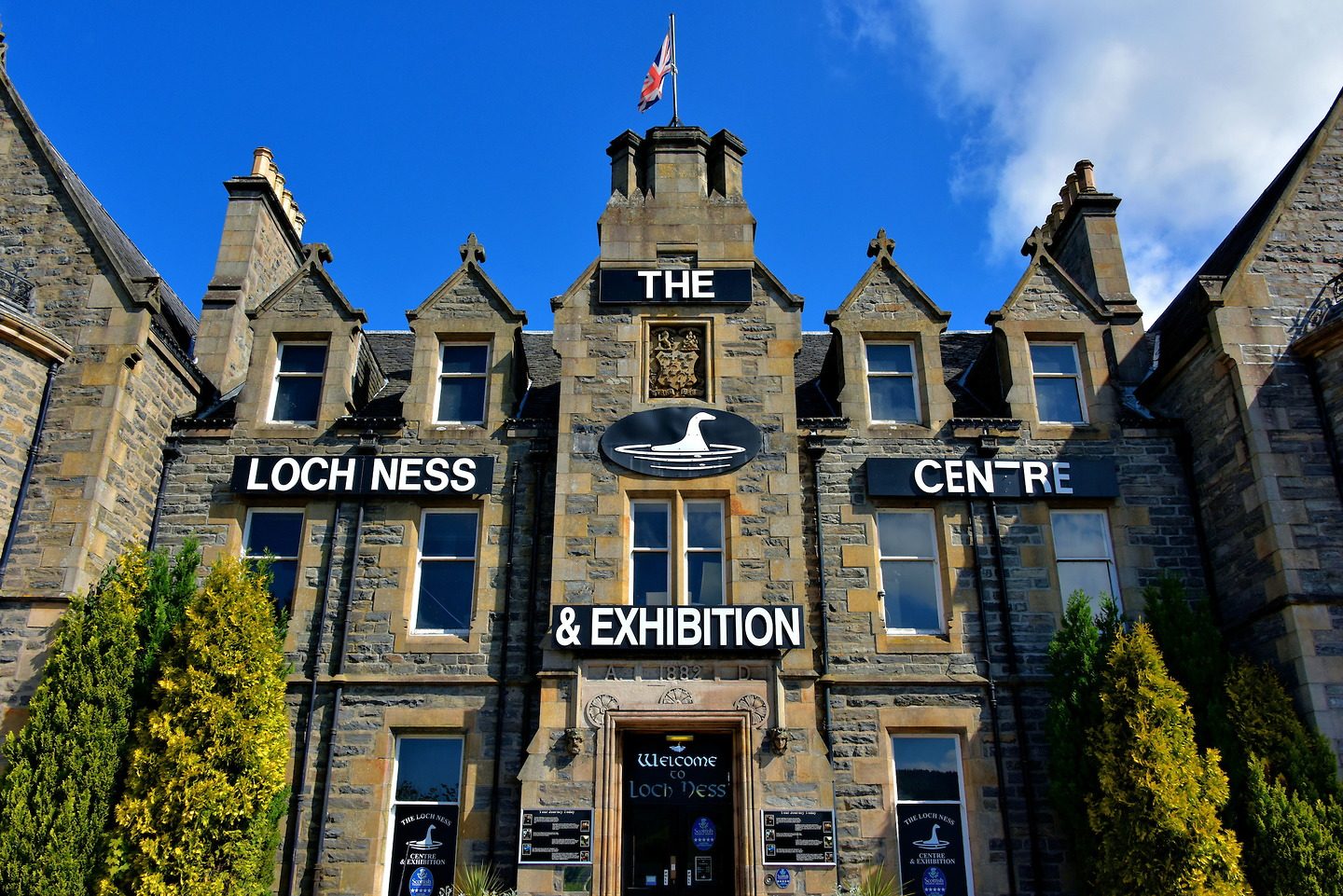
Loch Ness Centre
Located in Drumnadrochit, this exhibition covers the loch's geology and history, useful context to explore either before or after being out on the water
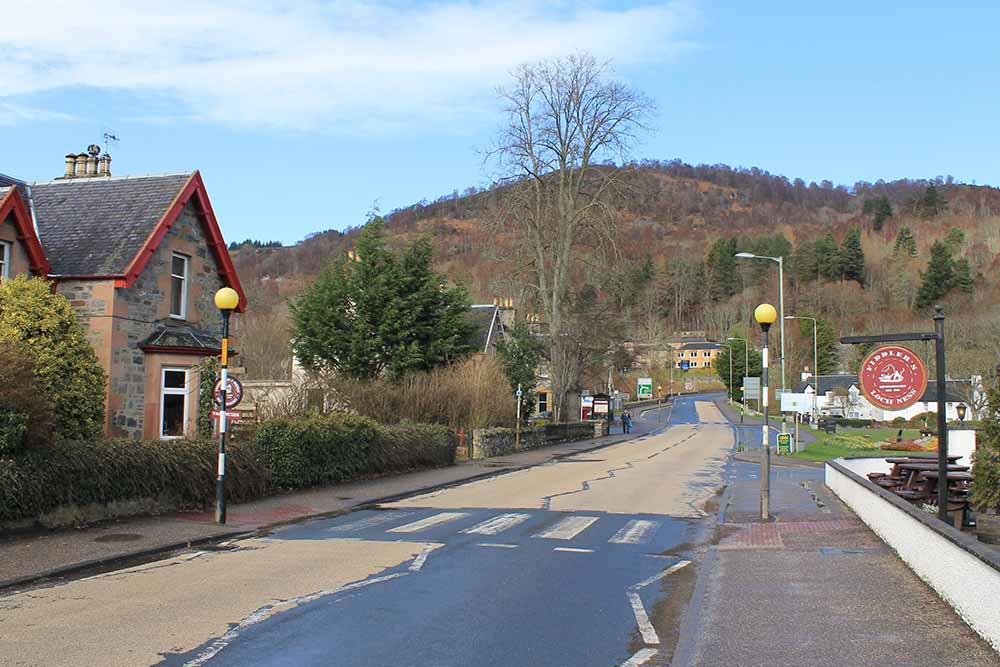
Drumnadrochit village
The main village on the loch's western side has cafes and shops for a stop before or after a cruise, and is where many tour departures are based
Check availability
FAQ: Is a Loch Ness Boat Tour Worth It?
Everything you need to know about loch ness boat tour worth it