50 min
Loch Ness Castle Viewing Cruise
- Entry ticket
- Mobile voucher
- Valid same day
- Free cancellation
Loch Ness Tour Boat — Castle Cruises & Highland Voyages
Search the legendary water by vessel, castle ruins rising from the shore
Compare fares, pick the fit — all bookings are mobile-voucher and eligible for free cancellation where shown.
50 min
12 hr 30 min
9 hr
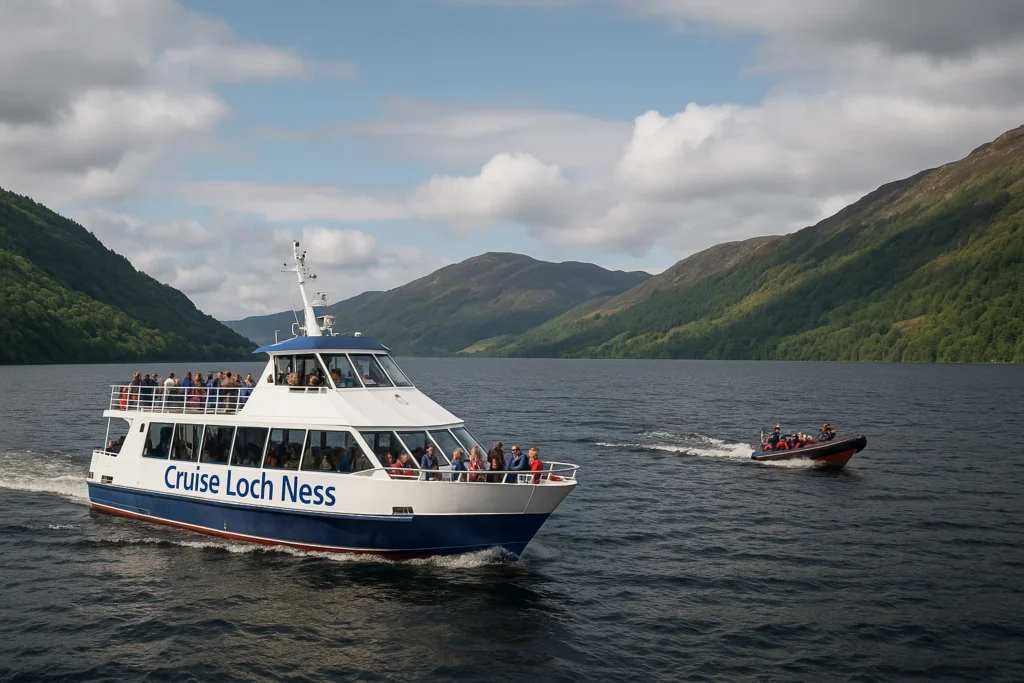
Selecting the right loch ness tour boat experience depends on how much of the Scottish Highlands you wish to explore. These various cruise options provide unique perspectives on the water and the surrounding rugged landscape.
| Short Cruise Standard Loch Experience |
Top pick Extended Explorer Castle and Canal Access |
Full-Day Highlands Comprehensive Regional Tour | |
|---|---|---|---|
| Duration | 50 minutes | 2 to 3.5 hours | 9 to 12.5 hours |
| Primary Focus | Panoramic loch views | Urquhart Castle or Caledonian Canal | Full region immersion |
| Access Method | Timed boarding | Flexible slot options | Scheduled coach and boat |
| Onboard Amenities | Basic seating and commentary | WiFi and refreshments | Guided expert narrative |
| Best for | Quick photo opportunities | History and scenery seekers | Total Highlands exploration |
| See tickets & prices |
Verdict: First-time visitors often prefer the Extended Explorer for its balance of loch ness tour boat tickets, while the Full-Day option serves those wanting a deeper loch ness tour boat tour experience without managing transport.
Worth it if shoreline views aren't enough
A loch ness tour boat adds value when free shoreline stops fall short—most shore viewpoints offer distant glimpses, while boat operators bring you onto open water for sonar Nessie-hunting and castle approach angles you cannot replicate from land. Cruise tickets range from 50-minute sails (around £15–25) up to full-day Highland tours bundling Glencoe or Inverness transfers (£50–90). The water perspective is the sell: Urquhart Castle ruins rise straight from the lochside, and skippers narrate folklore while scanning for the monster with onboard sonar. If you want the iconic mid-loch view and the hunt ritual, a boat pays off. If you are content photographing the water from Dores Beach or the castle car park, save the fare. Families and Nessie enthusiasts get the most from loch ness tour boat tours; solo travelers on tight budgets may prefer the free shoreline circuit. Weather matters—calmer mornings (09:00–11:00) deliver steadier decks and clearer water.
Bottom line: Book a cruise if the water perspective and sonar theatre matter; skip loch ness tour boat tickets if shoreline panoramas suffice.
Hand-picked experiences loved by thousands of travelers
2 hours
Free Cancellation
Glide through the historic Caledonian Canal onto Loch Ness to take in sweeping views of Urquhart Castle.
3.5 hours
Free Cancellation
Journey through the Scottish Highlands on a half-day adventure combining a scenic loch cruise with castle exploration.
12.5 hours
Free Cancellation
Journey through Scotland's dramatic landscapes, from Glencoe's peaks to the legendary Loch Ness
12 hours
Free Cancellation
Discover Scotland's legendary loch, dramatic glens, and mountain landscapes on this full-day adventure
11 hours
Free Cancellation
Discover Scotland's wild beauty on this full-day adventure through lochs, mountains, and legends
1 hour
Free Cancellation
Navigate historic waterways and venture onto legendary Loch Ness during this scenic boat journey
12.5 hours
Free Cancellation
Discover Scotland's legendary landscapes on a guided journey through the Highlands with Loch Ness cruise
Reach the departure point and check in for your chosen loch ness tour boat sailing
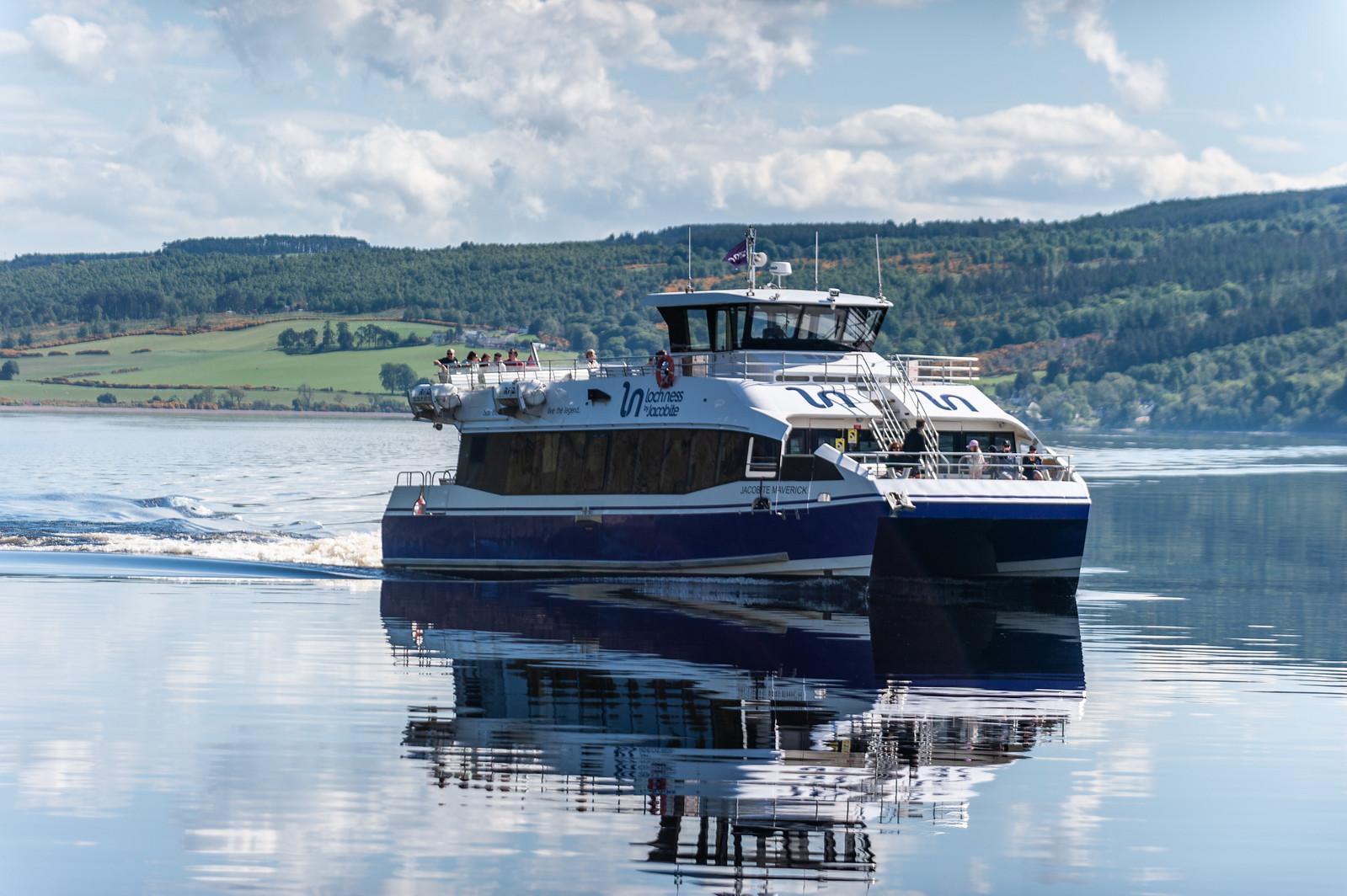
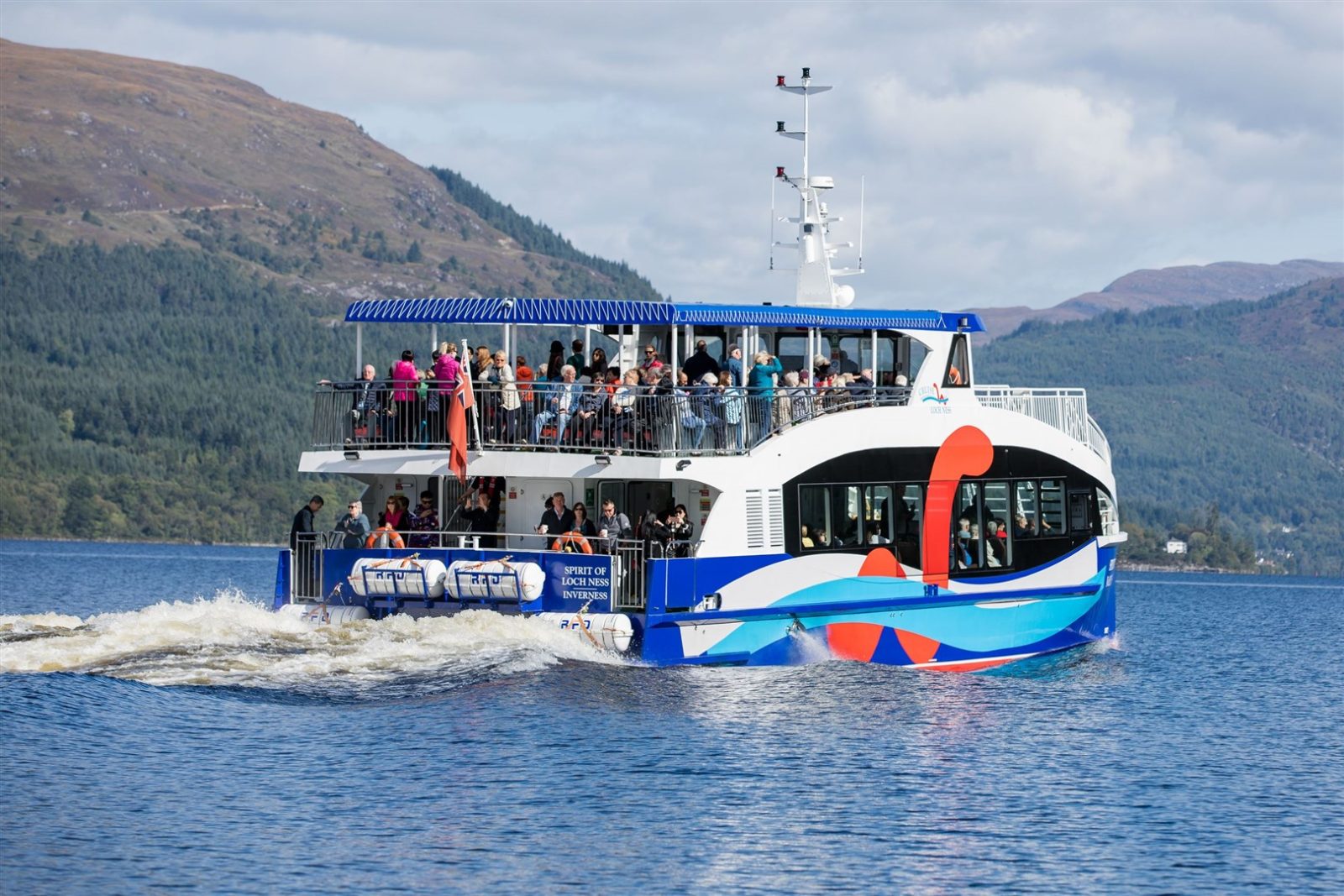
Board the vessel and find a seat on deck or in the cabin
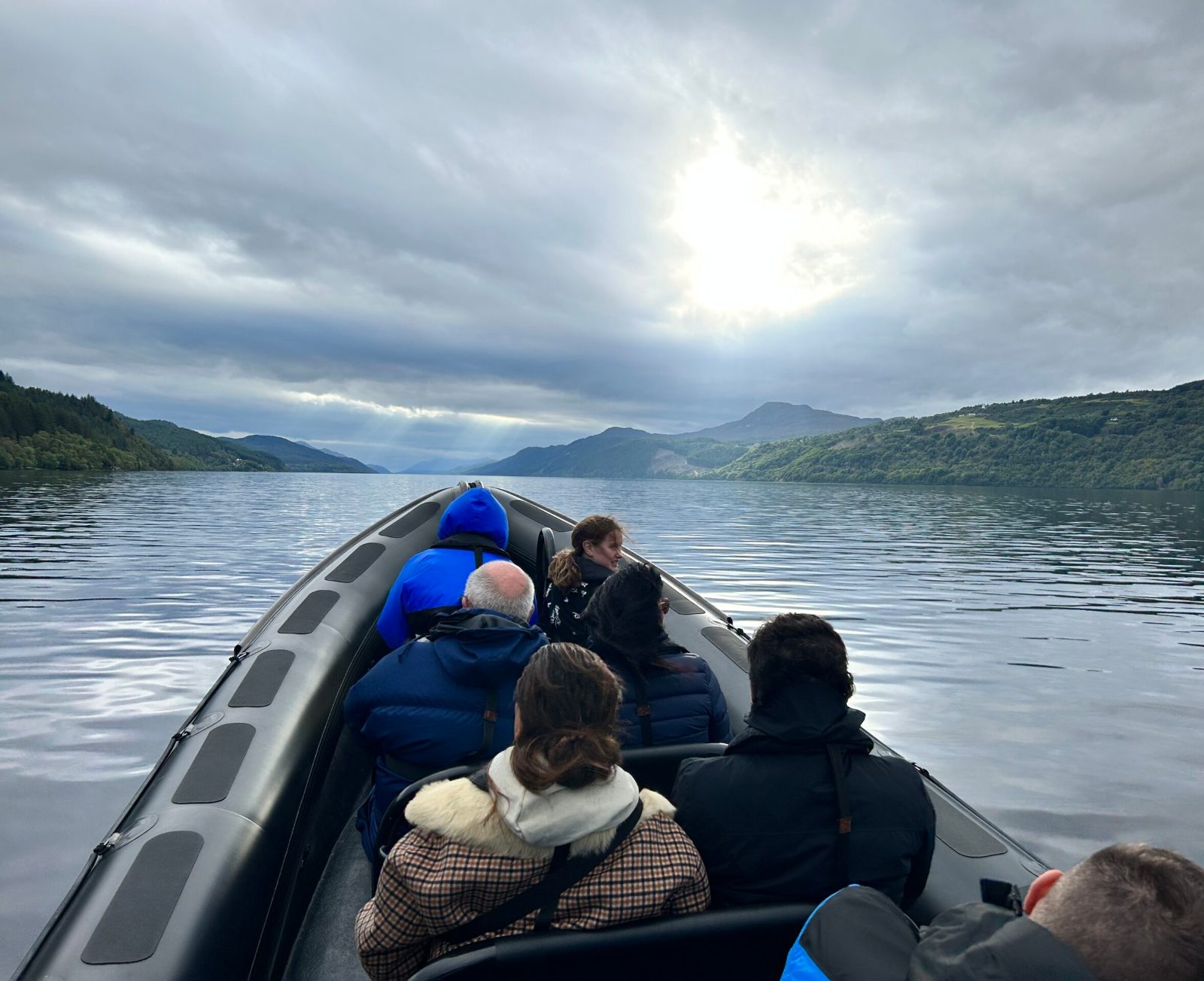
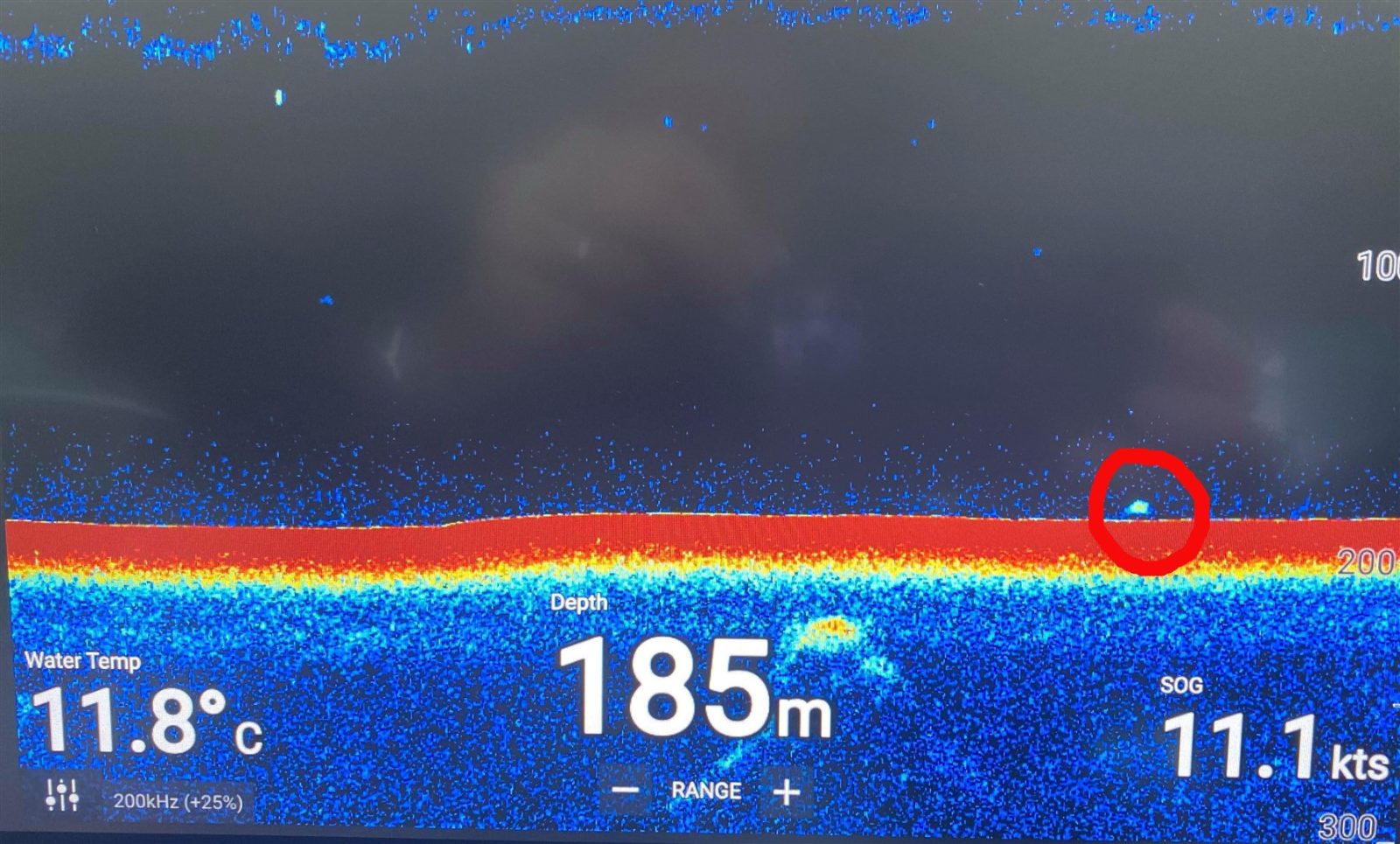
Sail the loch with commentary and sonar display viewing depending on operator
Return to pier and disembark once the boat docks
Walk nearby shoreline paths or visit Urquhart Castle if included in your route
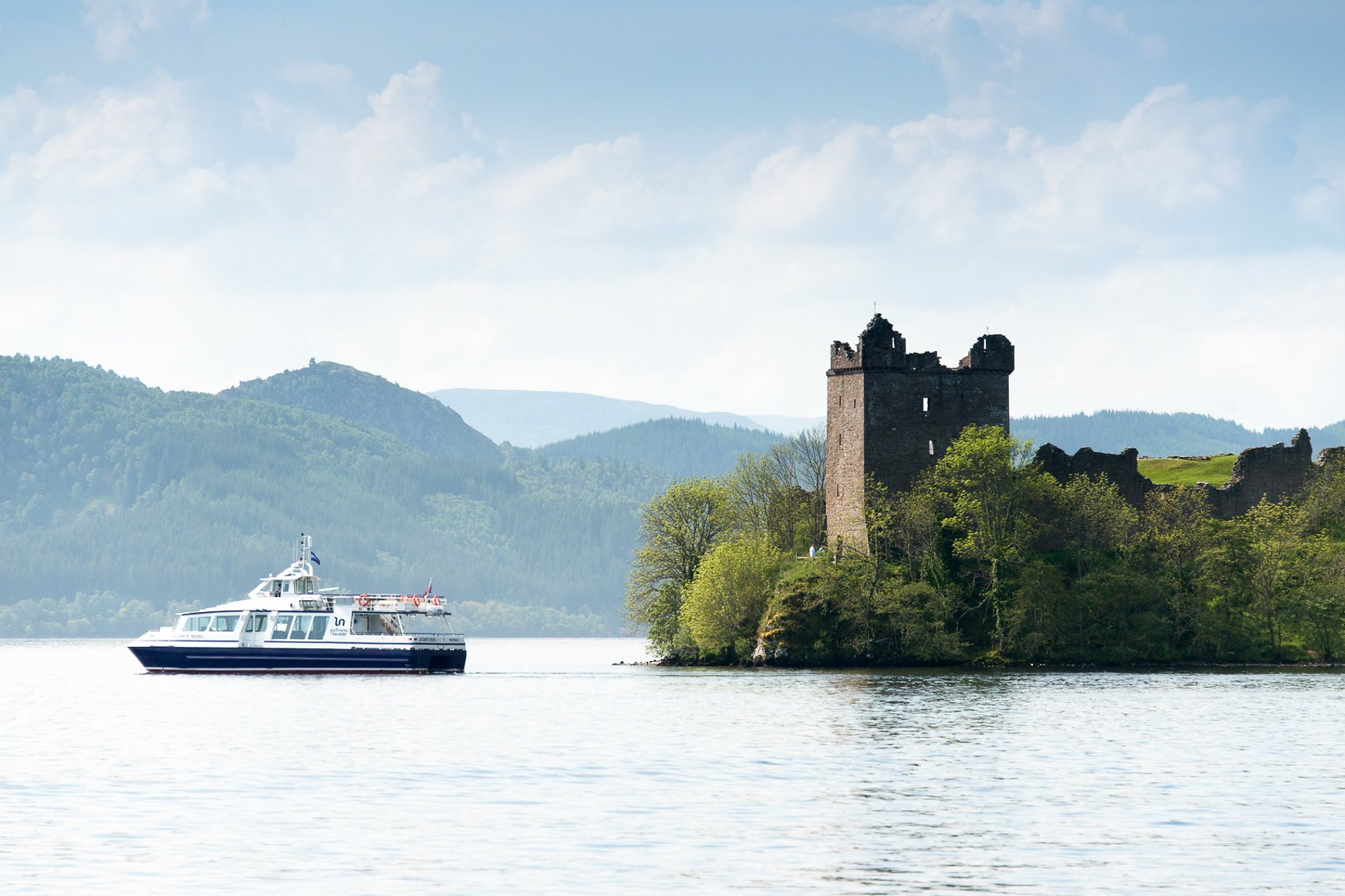
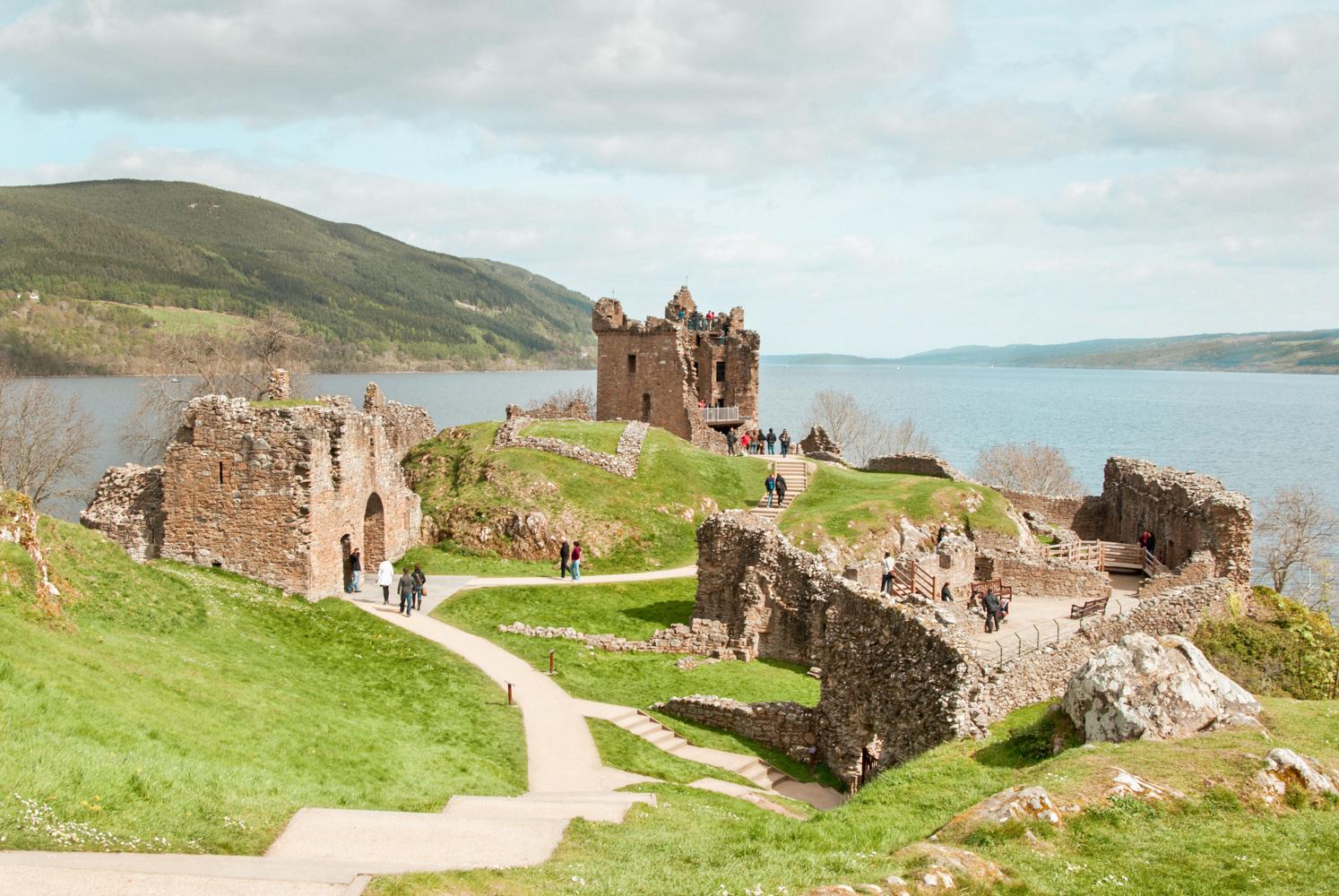
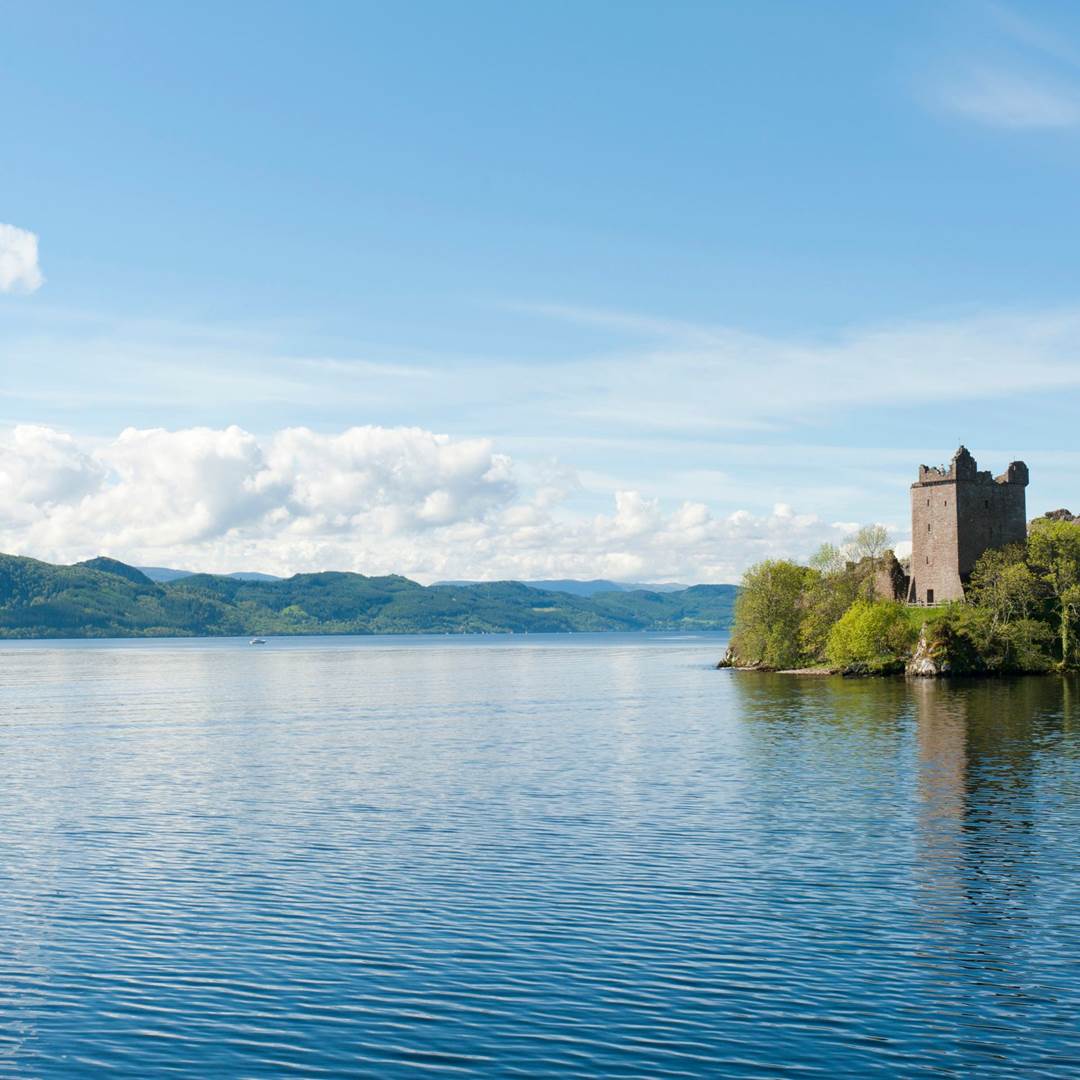
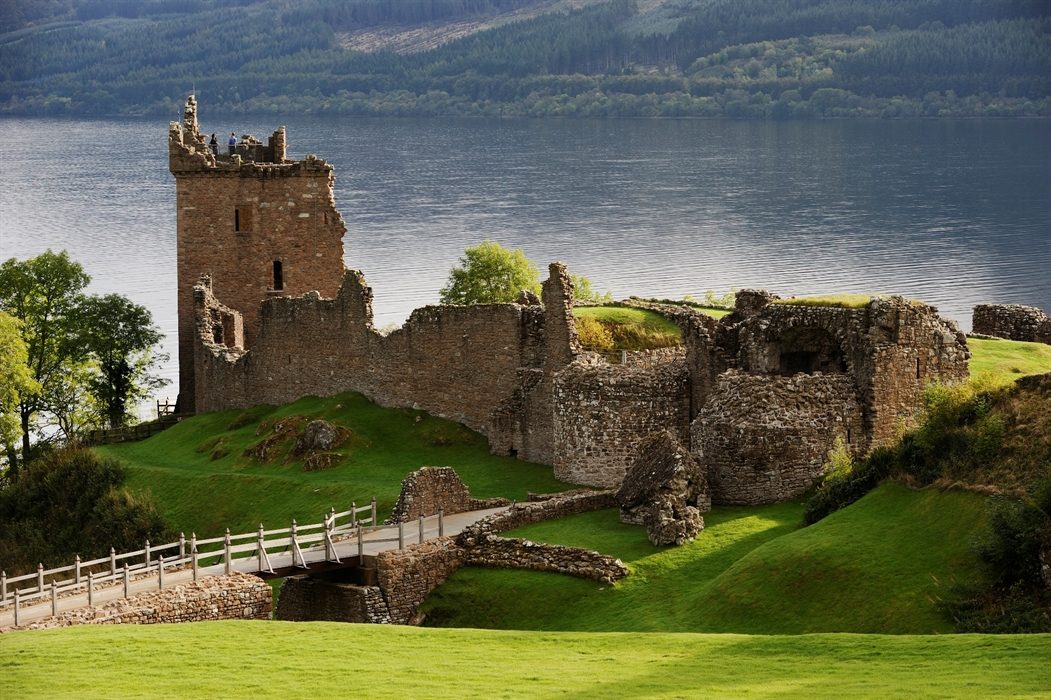
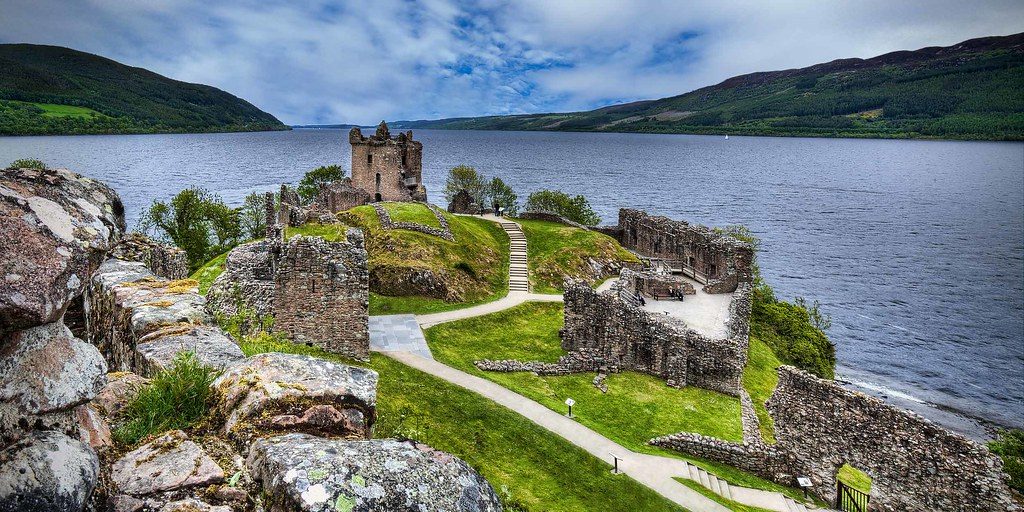
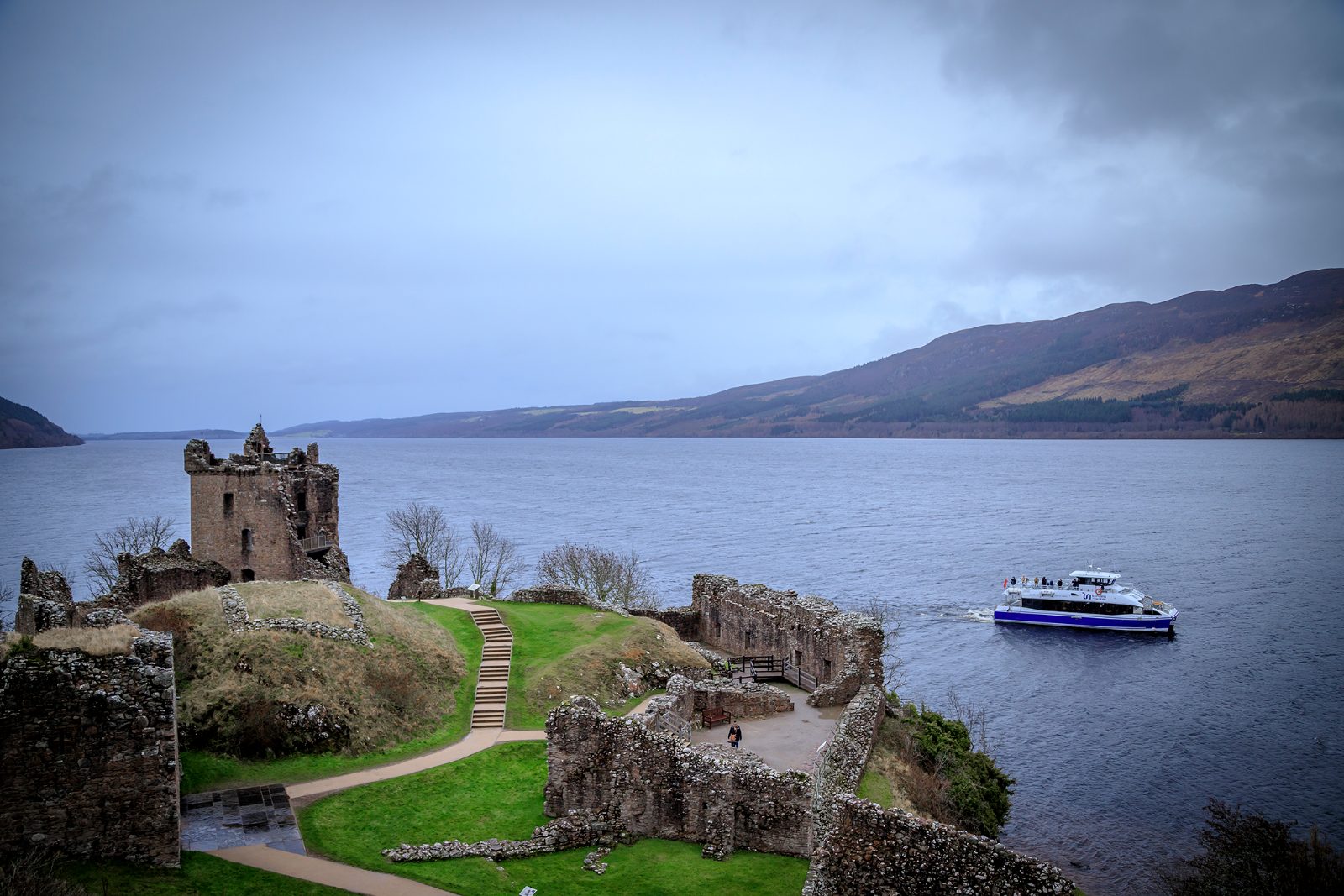
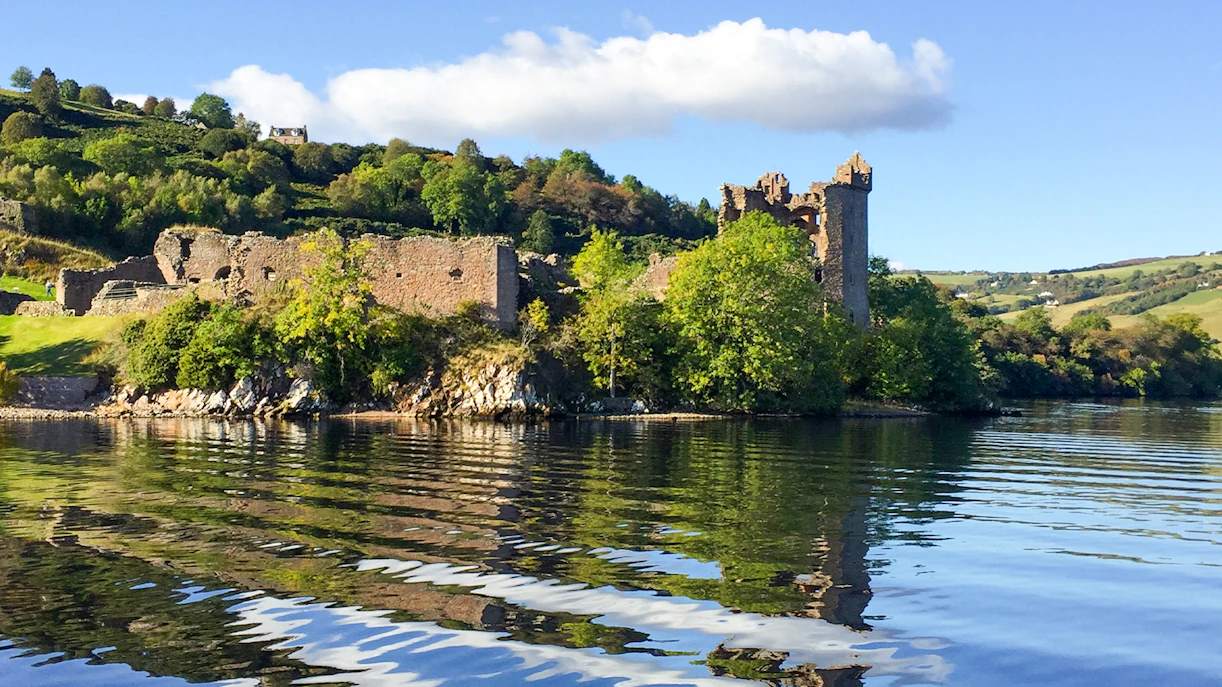
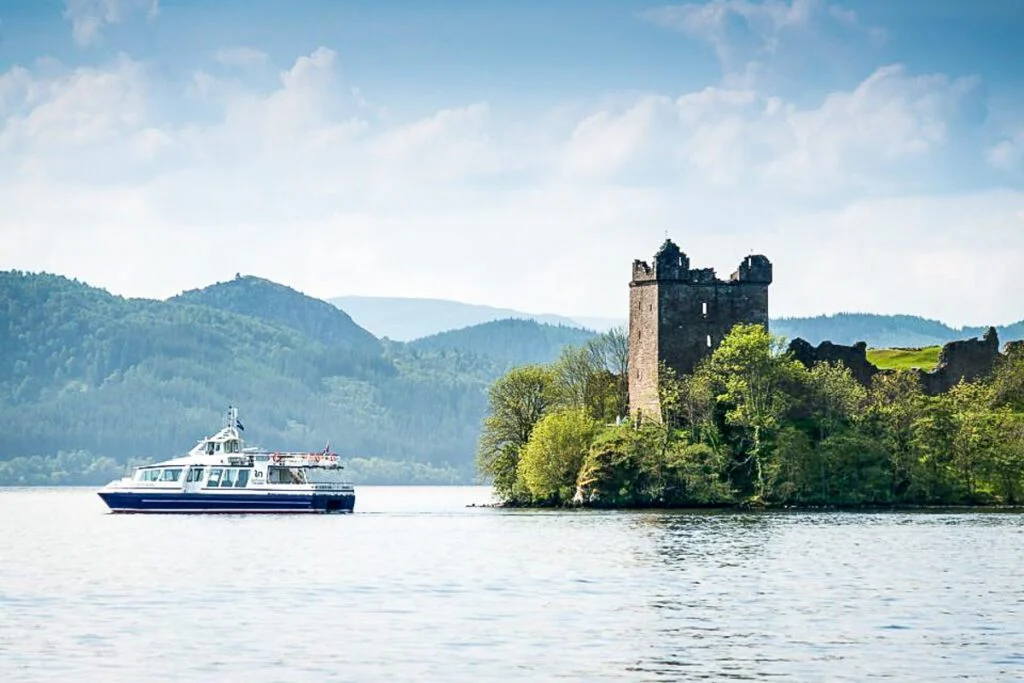
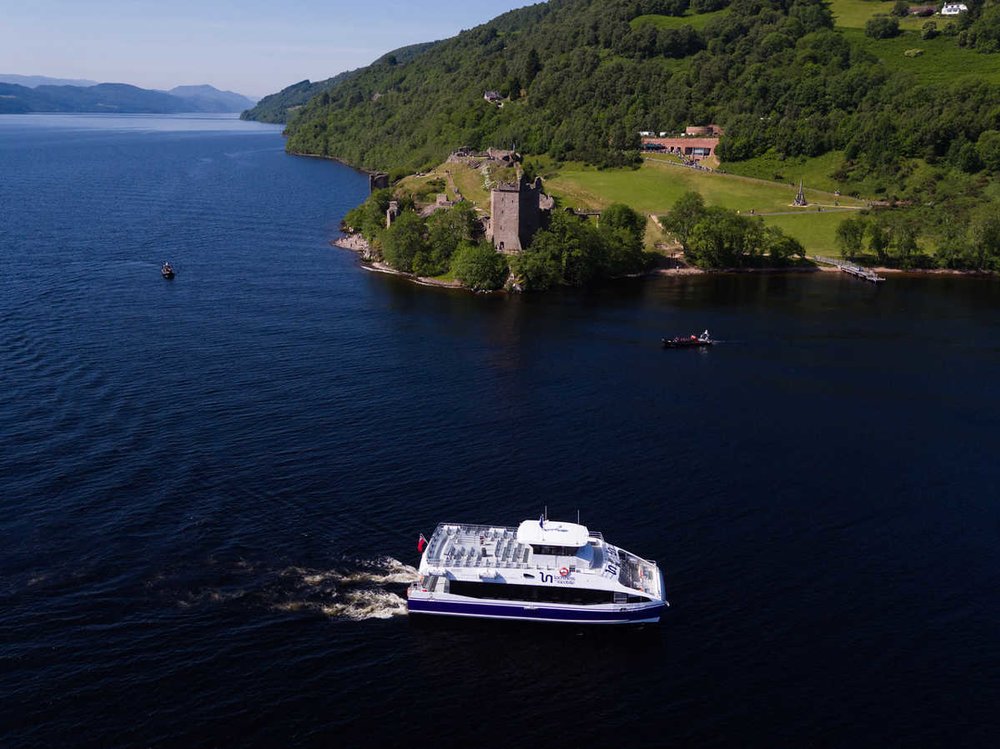
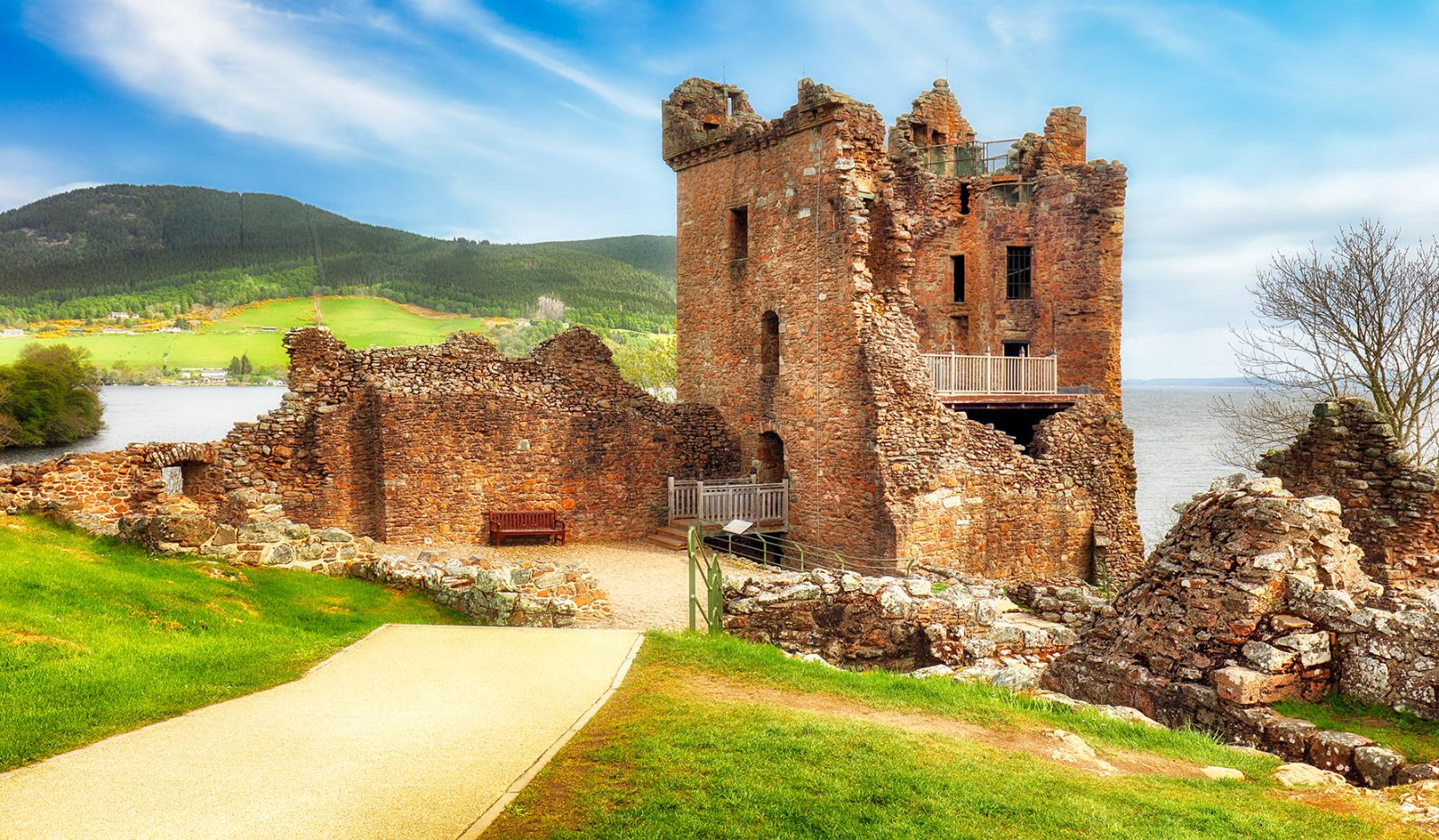
The ruined 13th-century castle sits on a headland many cruise routes pass directly beneath, giving a water-level view of its surviving tower house. The stonework dates back over 700 years and the site changed hands repeatedly during the Wars of Scottish Independence.
Near Urquhart Bay the loch reaches depths of around 230 metres, making it the largest body of fresh water by volume in Great Britain. Sonar-equipped cruises often highlight this stretch when depth readings appear on the display.
The loch sits along the Great Glen Fault, a geological rift that cuts diagonally across Scotland and shaped the long, narrow trench the water now fills. Cruise commentary often points out the unusually straight shoreline as evidence of this fault.
This wide bay near the village is one of the most common sighting locations reported in loch monster folklore, and several cruises linger here longer than elsewhere. Calm water and lower boat traffic make it a favored spot for sonar scanning.
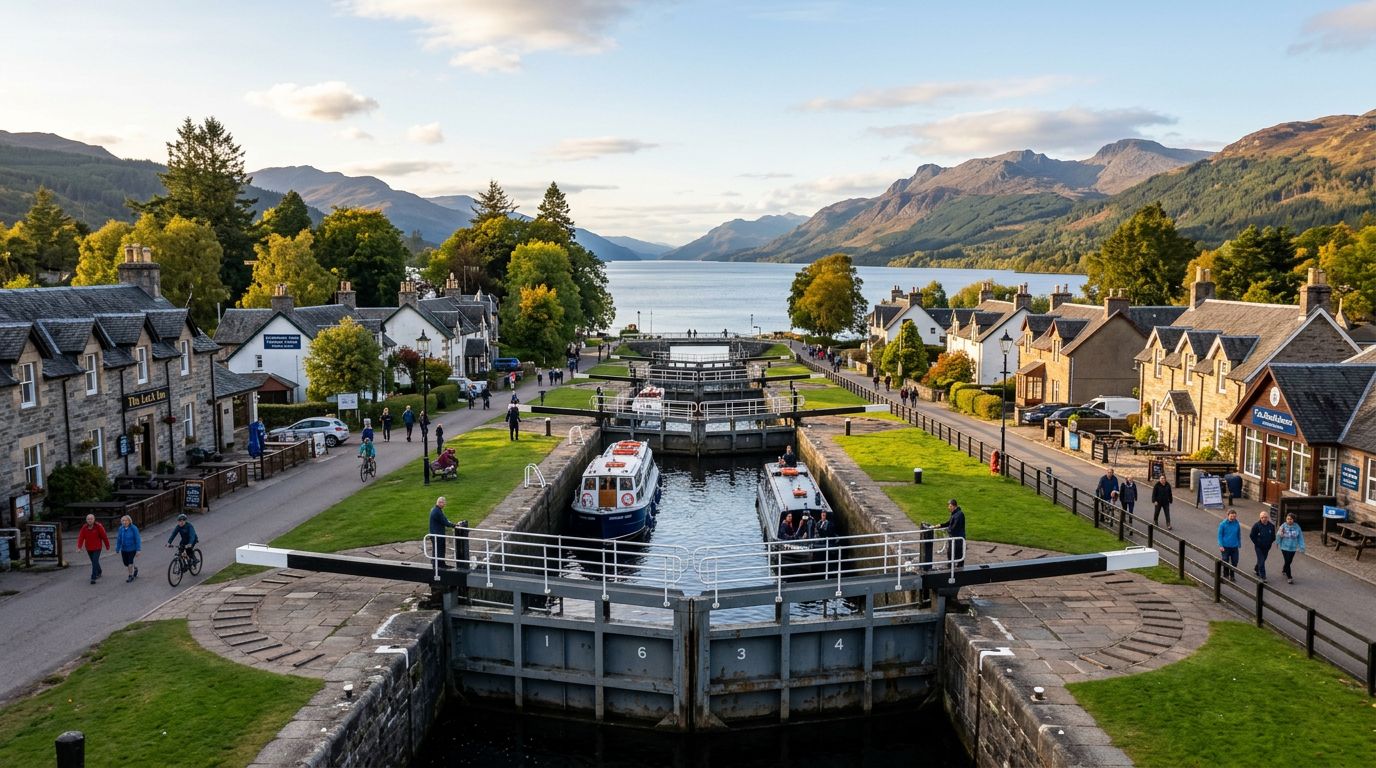
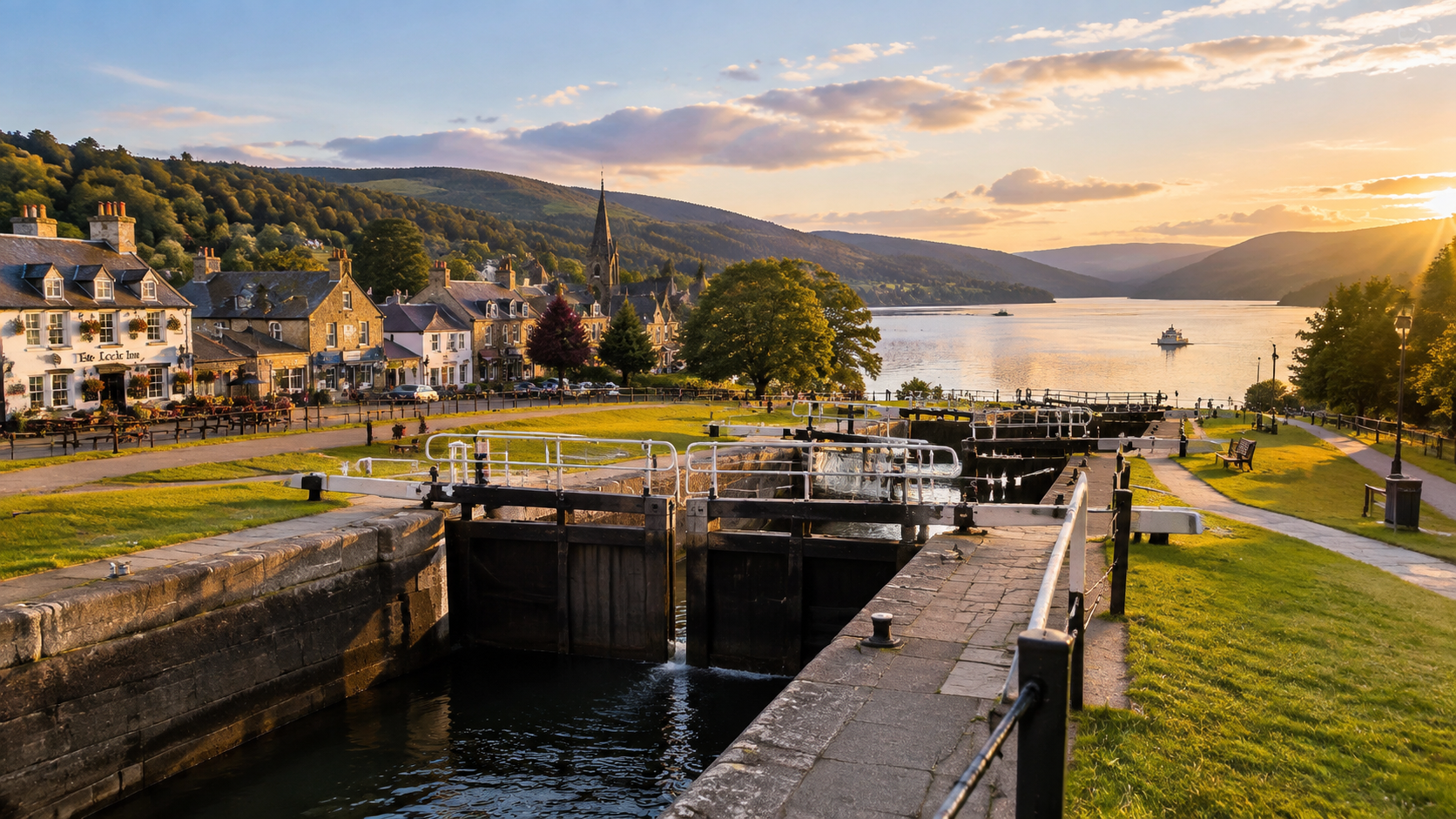
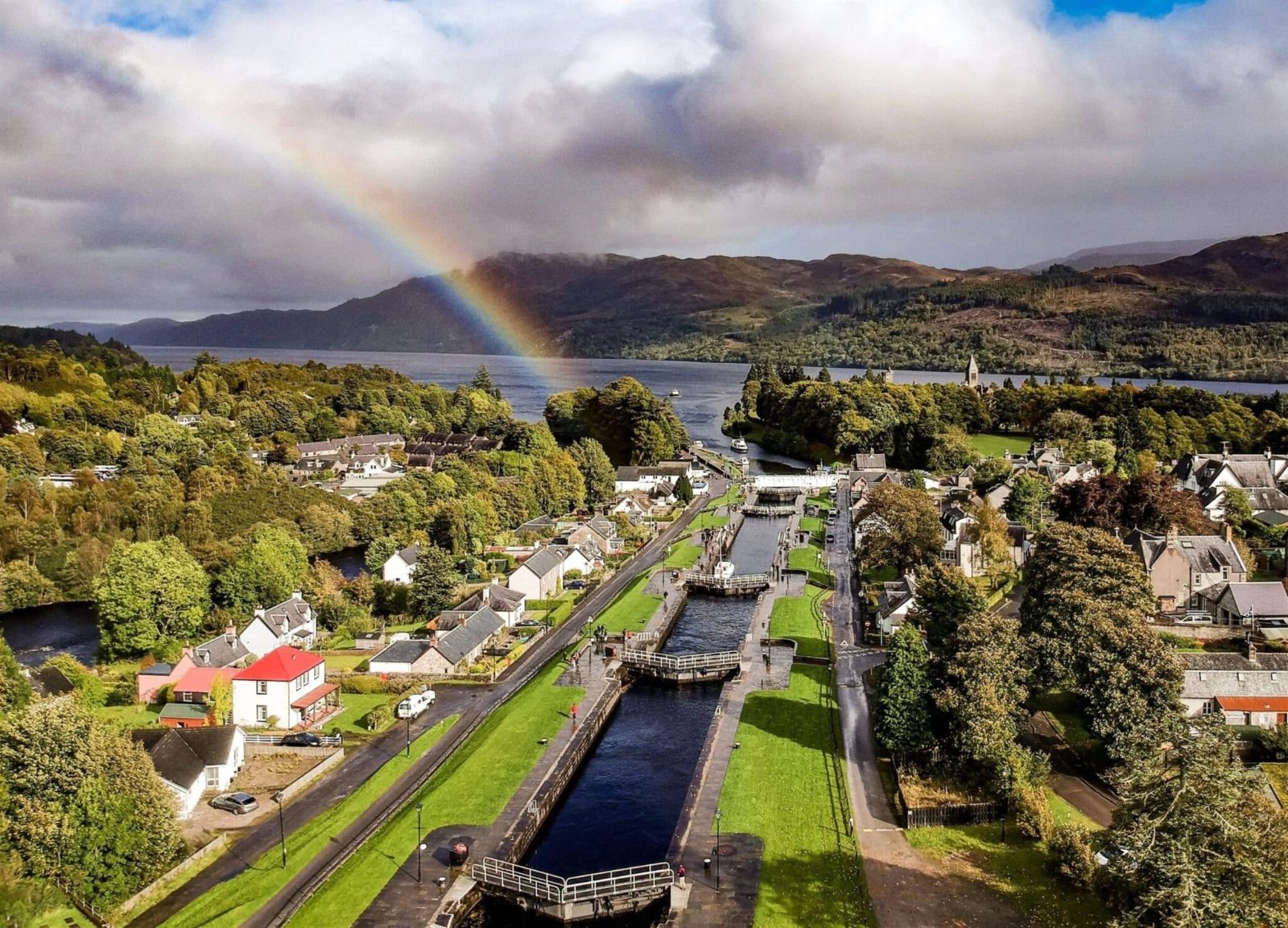
At the loch's southern end, the Caledonian Canal's staircase of locks connects Loch Ness to the wider canal system built in the early 19th century. Some longer cruises extend toward this stretch, passing boats working through the lock gates.
You board at Dochgarroch or Inverness Harbour, depending on which loch ness tour boat tickets you secured — Dochgarroch sits directly on the water, while Inverness moorings lie at the canal's eastern terminus.
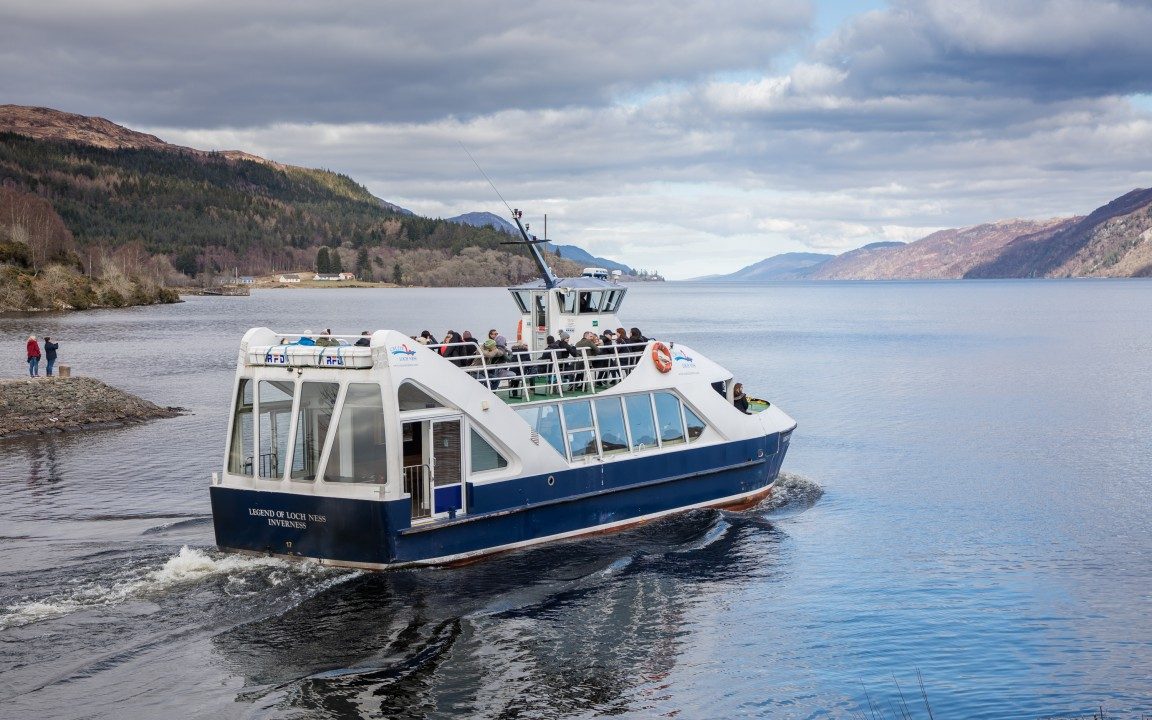
Engines thrum as the vessel clears the marina; within minutes the shoreline forests close in and the water darkens from grey to near-black. Urquhart Castle appears on the port side after 40 minutes, its curtain wall and collapsed tower stark against green hills. Crew narrate the 1692 destruction, point out the submerged Iron Age crannog pilings, and slow the boat for photographs. You step onto the open deck — wind cuts across the water even on calm days, and the opposite shore sits two kilometres away, dense with Scots pine.
Full-day Highland excursions add a coach leg: you disembark at Fort Augustus, board a minibus, and climb into Glencoe via the A82. The road threads between peaks that top 1,000 metres; waterfalls stripe the cliffs after rain. Return routes vary — some loop through Glen Affric, others retrace the Great Glen — but all converge on the same truth: the loch is the centrepiece, and the Highland passes are the frame. You dock back in Inverness by 18:00, the vessel's wake the only mark left on water that erases every trace within seconds.
All the details about your upcoming adventure in one place
Loch Ness holds more freshwater than every lake in England and Wales combined — 263 billion cubic feet locked in a glacial trench that plunges to 230 metres.
The Great Glen Fault carved this ribbon of dark water 400 million years ago, splitting the Scottish Highlands along a geological fracture that runs coast to coast. For centuries the loch remained a barrier; only in 1822 did Thomas Telford's Caledonian Canal link its southwestern tip to the sea, and the first tourist steamers arrived within a decade. Victorian travellers came for the scenery — forested slopes, castle ruins, the chance of a monster sighting entered folklore only in the 1930s, after a new road opened the northern shore to motor traffic.
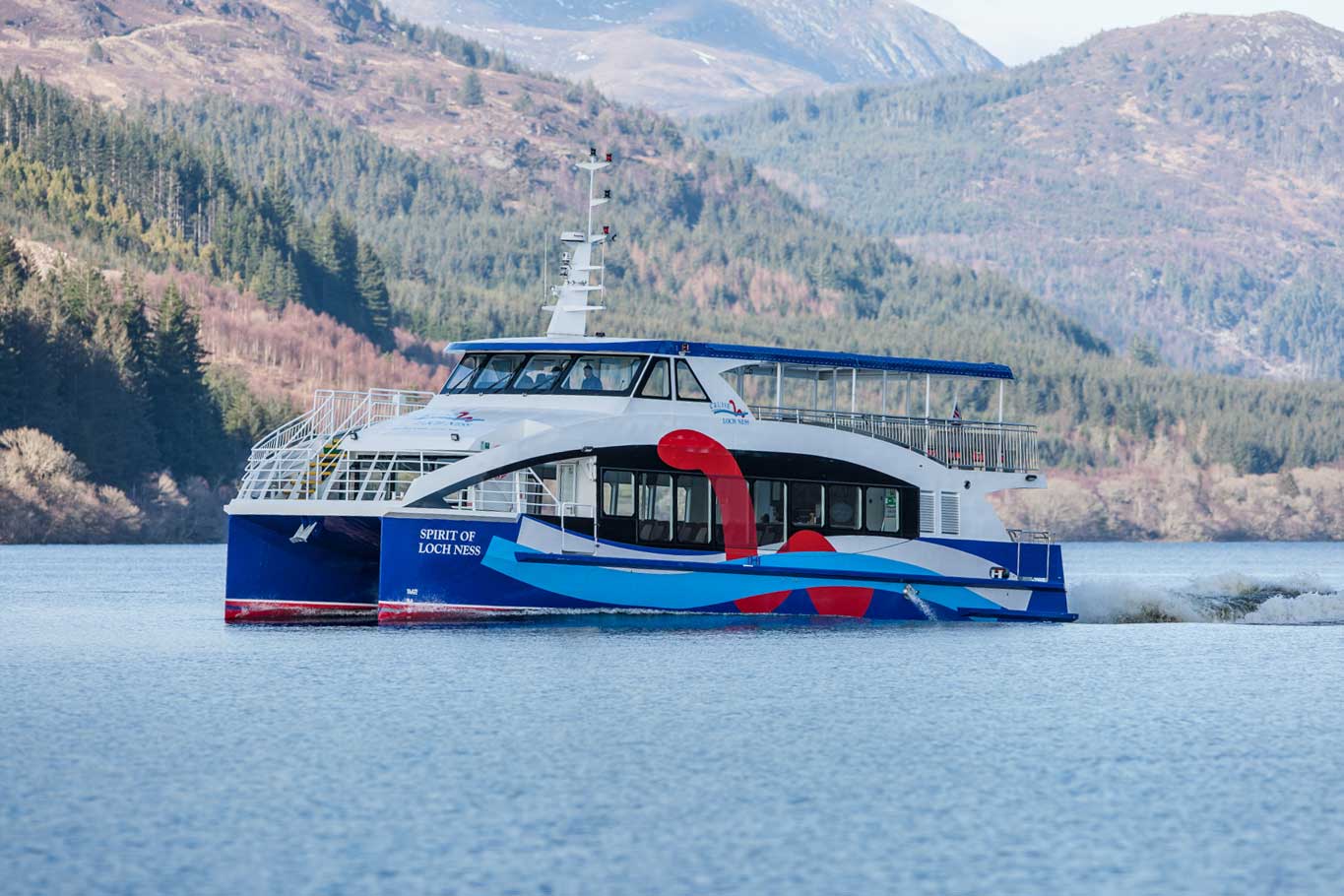
Today a loch ness tour boat remains the most direct way to grasp the water's scale. The surface stretches 37 kilometres from Fort Augustus to Inverness, narrow enough that slopes crowd both banks yet wide enough that midwater feels oceanic. Urquhart Castle occupies a stone promontory halfway along — its shattered tower last saw conflict in 1692, when government troops dynamited the keep rather than let Jacobites hold it. Most cruises depart from Inverness or Dochgarroch, the latter a lock station where canal boats descend into the loch through a staircase of gates. Two-hour sailings trace the northern shore; full-day Highland tours combine the water crossing with Glencoe or Glen Affric, threading passes the Ice Age scoured into U-shaped valleys.
The loch's fame rests on geology as much as legend. Peat-stained runoff from surrounding hills turns the water near-black; visibility below three metres drops to zero, a darkness that fuels speculation and makes sonar the only reliable survey tool. Storm systems roll in from the Atlantic without warning — the Great Glen funnels wind like a natural wind tunnel, and captains monitor weather continuously. Loch ness tour boat tours operate year-round, though winter sailings reduce frequency when snow closes high passes. Autumn and spring offer the steadiest conditions: calmer water, lighter crowds, and the long Scottish twilight that holds until nearly 22:00 in June. The vessel fleet includes everything from 12-passenger launches to 200-capacity cruisers, most fitted with heated cabins and open upper decks for unobstructed sightlines across water that has never frozen in recorded history.
The loch holds more freshwater than every lake in England and Wales combined — 263 billion cubic feet locked in a glacial trench that plunges to 230 metres.
Layered, waterproof clothing is the practical choice for any loch ness tour boat outing, since the Highlands can shift from sun to drizzle within an hour. Wind on open water makes it feel colder than on shore, so a windproof jacket and closed shoes are worth packing even in September.
Most loch ness tour boat operators allow small daypacks and camera bags onboard without formal screening, though bulky luggage may need to be stowed below deck or left ashore. Boats have limited deck space, so keep bags compact and secured against wash and spray.
Personal photography and filming are permitted on deck and through cabin windows on every loch ness tour boat sailing, with no flash restrictions given the open-air setting. Tripods are generally discouraged in busy deck areas since space is shared and the boat moves with the water.
Children are welcome on nearly every loch ness tour boat sailing, with many operators offering family or child ticket rates and onboard commentary pitched for younger visitors spotting sonar readings. Life jackets for children are typically available on request, and deck rails are standard safety features on the larger cruise vessels.
Wheelchair access varies by vessel and pier, with some loch ness tour boat operators offering step-free boarding ramps and others relying on crew assistance across a gangway. It is worth confirming boarding arrangements directly with the chosen operator ahead of time, since pier conditions and tide levels can affect gangway gradient.
Bringing your own snacks and bottled water onboard is generally permitted, though hot drinks may be limited to an onboard cafe or kiosk if the vessel has one. Alcohol consumption rules and any onboard bar service depend entirely on the individual operator's licence.
No fixed site hours — cruises run on operator schedules
Best arrival window
09:00–11:00 for calmer water and lighter crowds
Address
Loch Ness, Scottish Highlands, Scotland, United Kingdom
Booking model
No single operator — independent cruise companies sail from various piers
Season
Autumn cruising runs in cooler, often misty conditions
What's included
Per-cruise ticket, sonar viewing and onboard commentary vary by operator
Car · 20–45 min from Inverness · Free to low-cost parking at most piers
Drive the A82 along the loch's western shore, with parking available at Drumnadrochit and near Urquhart Castle
Public transport · 30–50 min from Inverness · Single fare typically a few pounds
Stagecoach buses run from Inverness bus station toward Drumnadrochit and Fort Augustus, stopping near several piers
Taxi · 25–35 min · Higher cost than bus but door-to-door
Taxis from Inverness city centre reach loch-side piers directly, useful when travelling with luggage or in a group
Loch Ness itself charges no entrance or conservation fee, since it is open parkland and water with no single operator. Refund and rescheduling windows are set by the individual cruise company on your booking, so check the cutoff stated on your specific ticket before the sail date.
Recommended time
2-3 hours
Planning your trip requires allocating time for cruise boarding and potential queues, making a loch ness tour boat the primary way to explore these Scottish Highlands waters. Arriving during the 09:00–11:00 window provides calmer water and lighter crowds before midday tour buses arrive, helping you secure preferred loch ness tour boat tours without stress. While you finalize your loch ness tour boat tickets, remember that standard excursions typically last a few hours, though extra time is helpful for exploring nearby castle ruins or engaging with the historic shoreline.
Crowd levels through the day
Weather · crowds · average price — dots go green to amber to red as each metric rises.
March to May brings fewer visitors and cooler air, with lambing season visible on surrounding hillsides. Water can still be choppy, so waterproofs are worth carrying.
June to August is peak season with the longest daylight and busiest piers, especially around school holidays. Book ahead as tour buses arrive steadily through midday.
September to November offers calmer crowds and mist over the water in early morning, matching the current shoulder season. Temperatures drop noticeably by late October.
December to February sees short daylight hours and a reduced sailing schedule from several operators. Conditions can be crisp and still, good for photography when the loch is calm.
High winds occasionally lead operators to shorten or cancel sailings, so check weather the morning of your cruise.
Open water on the loch is consistently cooler and windier than the surrounding shore.
July and August departures fill quickly, especially midday slots timed with tour bus arrivals.
Cruises with onboard sonar screens let you see the loch bed depth in real time, a detail worth asking about when comparing operators.
Several routes stop near or pass beneath the castle, useful for combining sightseeing with the water crossing.
Piers can be compact, and early arrival secures a better spot on deck before boarding closes.
Late summer evenings near the shore can bring biting insects, so repellent is worth carrying trailside.
Drumnadrochit, Loch Ness, Scottish Highlands, Scotland
Main departure point for several cruise operators
Get directions
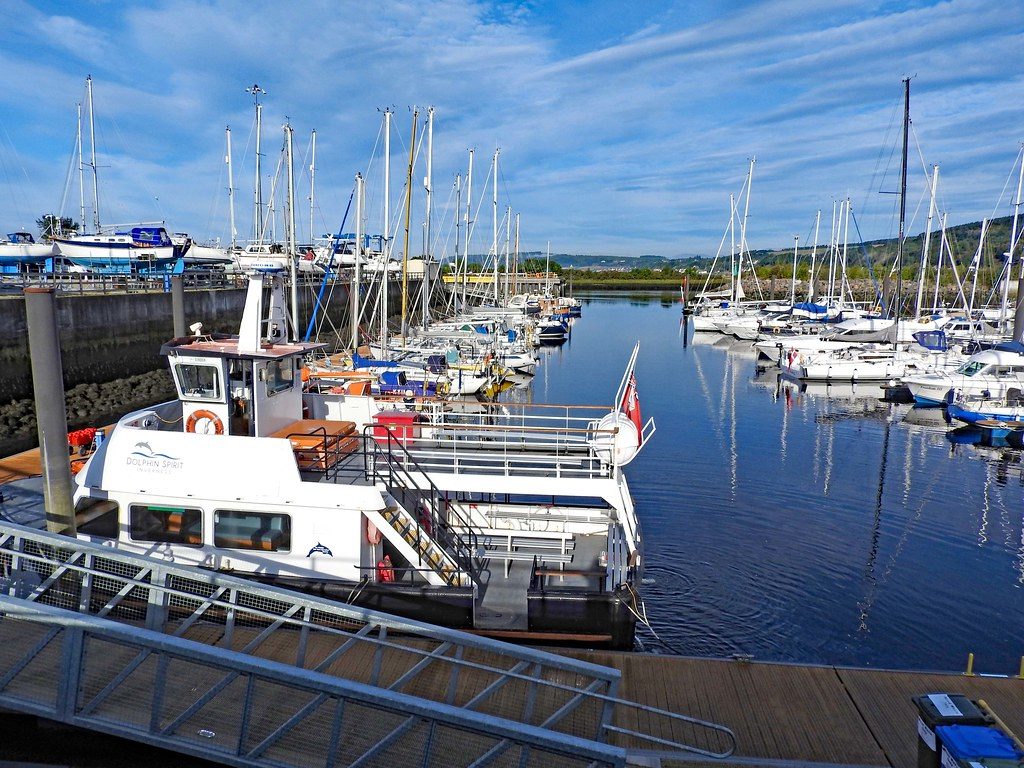
Inverness Marina, Inverness, Scotland
Departure point for cruises starting nearer the city
Get directions
Urquhart Castle, Loch Ness, Scotland
Pickup and drop-off point for some castle-combo cruises
Get directionsLoch Ness existed as a place of legend long before the first loch ness tour boat carried paying passengers across its dark waters. Medieval pilgrims knew the loch through the ruins of Urquhart Castle, whose stone walls commanded the western shore from the 13th century until Jacobite forces destroyed the fortress in 1692 to prevent its capture. The Caledonian Canal, engineered by Thomas Telford and completed in 1822, connected Loch Ness to Scotland's east and west coasts, opening the inland waterway to steam navigation and making the loch accessible to curious travellers for the first time. The modern industry pivoted on April 14, 1933, when the Inverness Courier published an account of a large creature seen by local hotel owners in the loch's waters. The story reached London newspapers within days, and by summer 1933 tour operators were offering Loch Ness cruises specifically marketed around monster sightings. Nicholas Witchell documented in his 1974 study how visitor numbers surged from negligible figures to thousands per season within two years. The 1960s brought sonar expeditions and underwater cameras, which tour operators incorporated into their narratives, transforming recreational cruising into a hybrid of sightseeing and cryptozoological theatre. By the 1980s, the loch hosted multiple competing fleets. Jacobite Cruises established regular scheduled departures from Cawdor Harbour, while smaller operators launched from Drumnadrochit and Fort Augustus. The industry survived the 2007 economic downturn by diversifying into heritage tourism, emphasizing the canal's engineering and the castle's medieval history alongside creature folklore. Today's loch ness tour boat tickets reflect this layered identity: some vessels focus on naturalist commentary and geological interpretation, others lean into the monster legend with sonar demonstrations and archive photograph displays. The water remains the constant—deep, cold, and commercially indispensable to the Highland tourism economy.
Urquhart Castle built on Loch Ness western shore, controlling the Great Glen route
Jacobite forces destroy Urquhart Castle to deny it to government troops
Thomas Telford completes Caledonian Canal, opening Loch Ness to steamship navigation
Inverness Courier publishes creature sighting account, launching modern Loch Ness tourism
Sonar expeditions and underwater cameras draw international media attention to the loch
Nicholas Witchell's study documents transformation of loch cruising into monster-themed sightseeing
Multiple competing tour boat operators establish scheduled services from harbours around the loch
Industry diversifies from creature focus into canal heritage and medieval castle history tours
Position yourself on the top deck to capture the iconic silhouette of the medieval fortress rising above the dark water. This perspective is exclusive to a loch ness tour boat and offers the most recognizable frame of the structure against the hills.
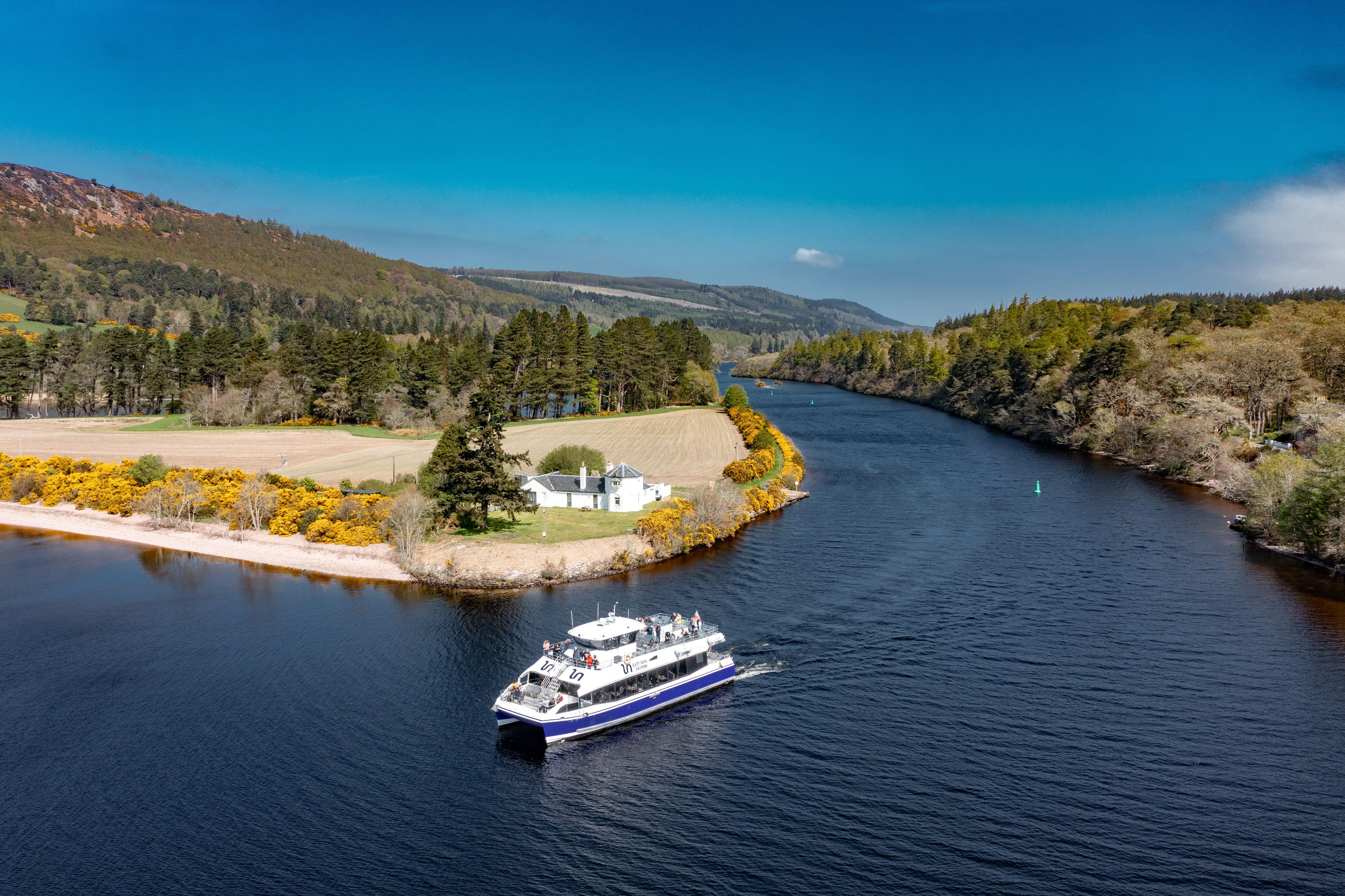
As the vessel transitions from the canal into the open loch at Fort Augustus, frame the stone gate structures and surrounding greenery. This area provides a steady platform for detailed shots of the water gates.
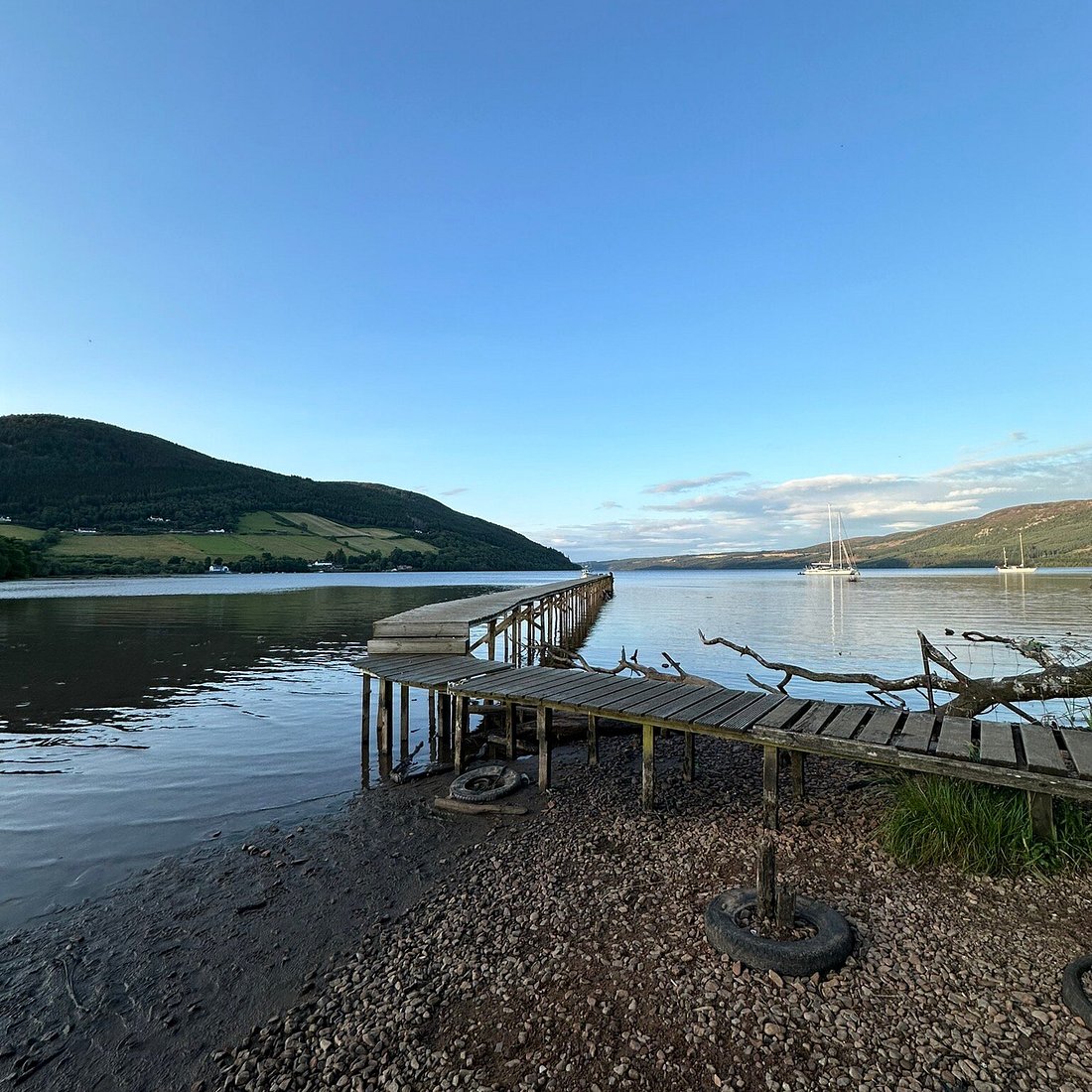
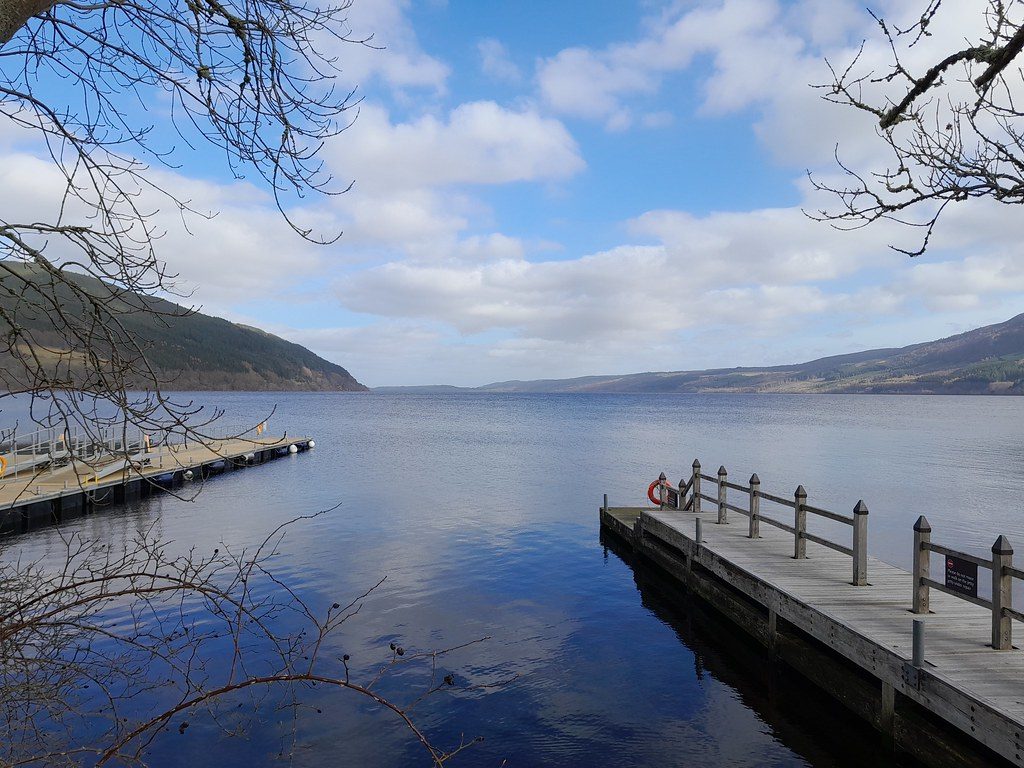
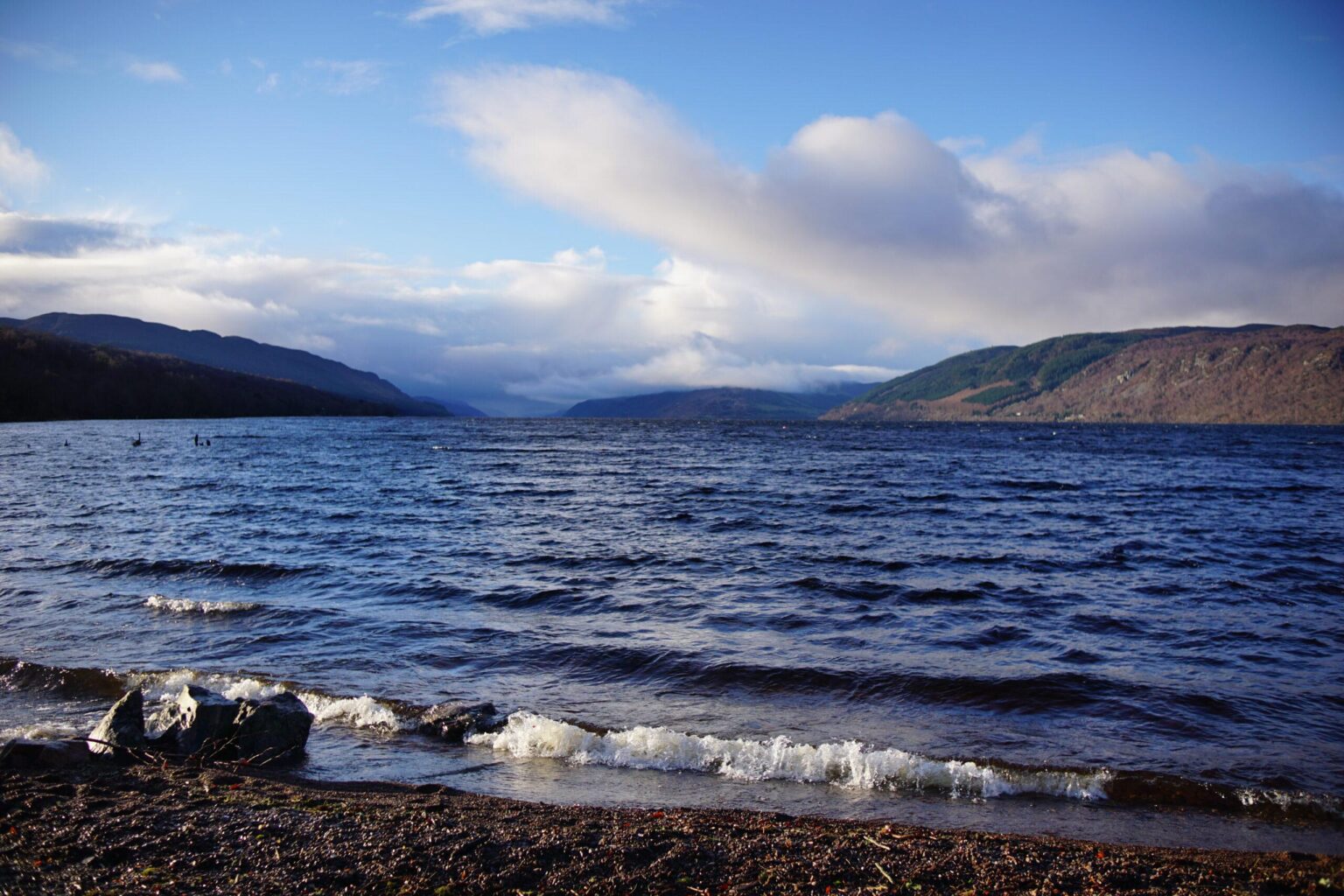
Look toward the southern tip of the loch from the water to capture the curve of the pebble beach with the Great Glen in the background. It is a quiet vantage point for landscape compositions during your loch ness tour boat tours.
From the center of the water, look toward the western bank to capture the dense forest climbing up the steep terrain. This view highlights the immense scale of the glen, often best seen when your loch ness tour boat tickets are scanned for a mid-day departure.
Exploring the Scottish Highlands by a loch ness tour boat offers a unique vantage point for children to scan the deep water for signs of the legendary monster. Navigating these waters provides a memorable experience for families visiting the Loch Ness, Scottish Highlands, Scotland, United Kingdom.
Most vessels require strollers to be folded before boarding, so a lightweight carrier is recommended for infants.
Children aged four and older often get the most out of these excursions, as they can sit still for the duration of the voyage.
Please check with individual operators regarding onboard baby-change facilities, as these are not standard across all vessels.
To ensure a smoother experience, follow the best arrival window: 09:00–11:00 to avoid large crowds.
You can secure loch ness tour boat tickets through various providers, with family-specific pricing often available for those booking in advance.
When comparing each loch ness tour boat tour, look for cruises that offer indoor seating to keep little ones comfortable during the autumn chill.
Dining options near a loch ness tour boat departure point are concentrated in hubs like Drumnadrochit and Fort Augustus. Visitors often prefer booking loch ness tour boat tours that allow for a convenient meal at nearby highland establishments before or after their water journey.
Located in Drumnadrochit, this venue offers local whisky and classic Scottish dishes perfect for those holding loch ness tour boat tickets. It is a popular spot that provides a cozy atmosphere for travelers.;The Lock Inn
Everything you need to know for your journey
Loch Ness itself has no fixed opening hours since it is open water with no single gate, but individual loch ness tour boat operators run scheduled sailings throughout the day, so check the specific departure time on your ticket.
Loch Ness has no entrance fee, as there is no single operator managing access to the water; you only pay for the specific cruise ticket you book.
Accessibility depends on the vessel and pier, with some loch ness tour boat operators offering ramped boarding and others requiring crew assistance across a gangway, so confirm details with the operator beforehand.
Small daypacks and camera bags are generally fine onboard, but large suitcases, glass bottles, drones without permission and open flames are not allowed on most sailings.
Photography is permitted throughout the loch ness tour boat tour, on deck and through cabin windows, though tripods are best avoided in busy deck areas.
Arriving in the 09:00–11:00 window gives calmer water and lighter crowds before midday tour buses reach the piers, making it the best stretch for booking loch ness tour boat tickets.
No strict dress code applies, but waterproof, layered clothing and closed shoes are strongly recommended given the Highland weather and wind on open water.
Bringing your own snacks and bottled water onboard is usually fine, though hot drinks and alcohol depend on the individual operator's onboard service and licence.
Stagecoach buses connect Inverness to Drumnadrochit and other loch-side villages, and taxis are available for a more direct route to the pier if you are not driving.
Yes, loch ness tour boat tours welcome children, with many operators offering family tickets and commentary suited to younger visitors watching the sonar display.
There is no entrance fee to refund since Loch Ness has no single operator; refund and rescheduling terms are set by the individual cruise company on your booking confirmation.
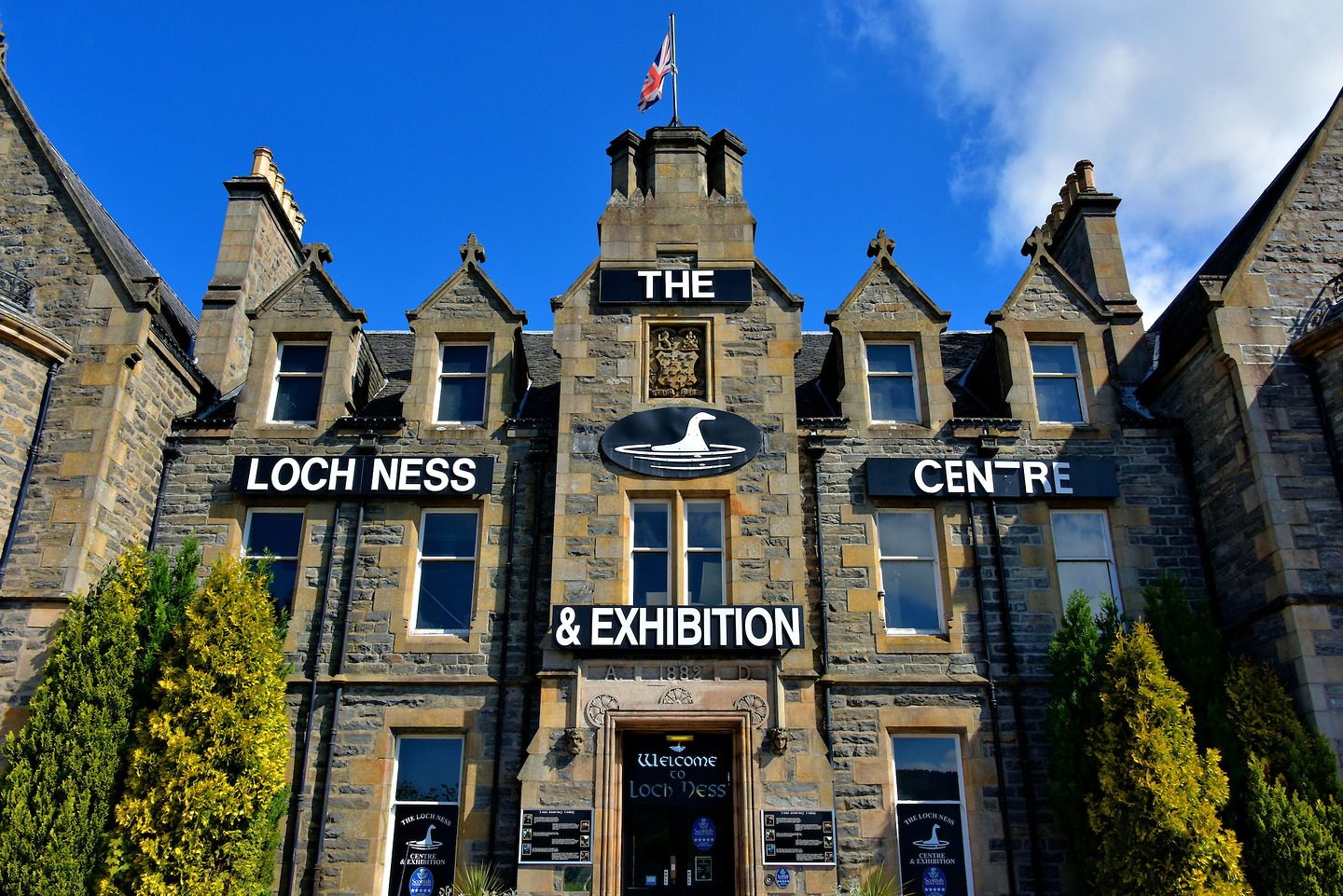
Urquhart Castle, the Loch Ness Centre in Drumnadrochit and the Urquhart Bay Wood nature reserve all sit within a short walk or drive of the main piers.
Ruined medieval castle on the loch's shore with clifftop views over the water. Many cruise routes pass directly beneath it.
Exhibition covering the loch's geology, history and long-running mystery sightings.
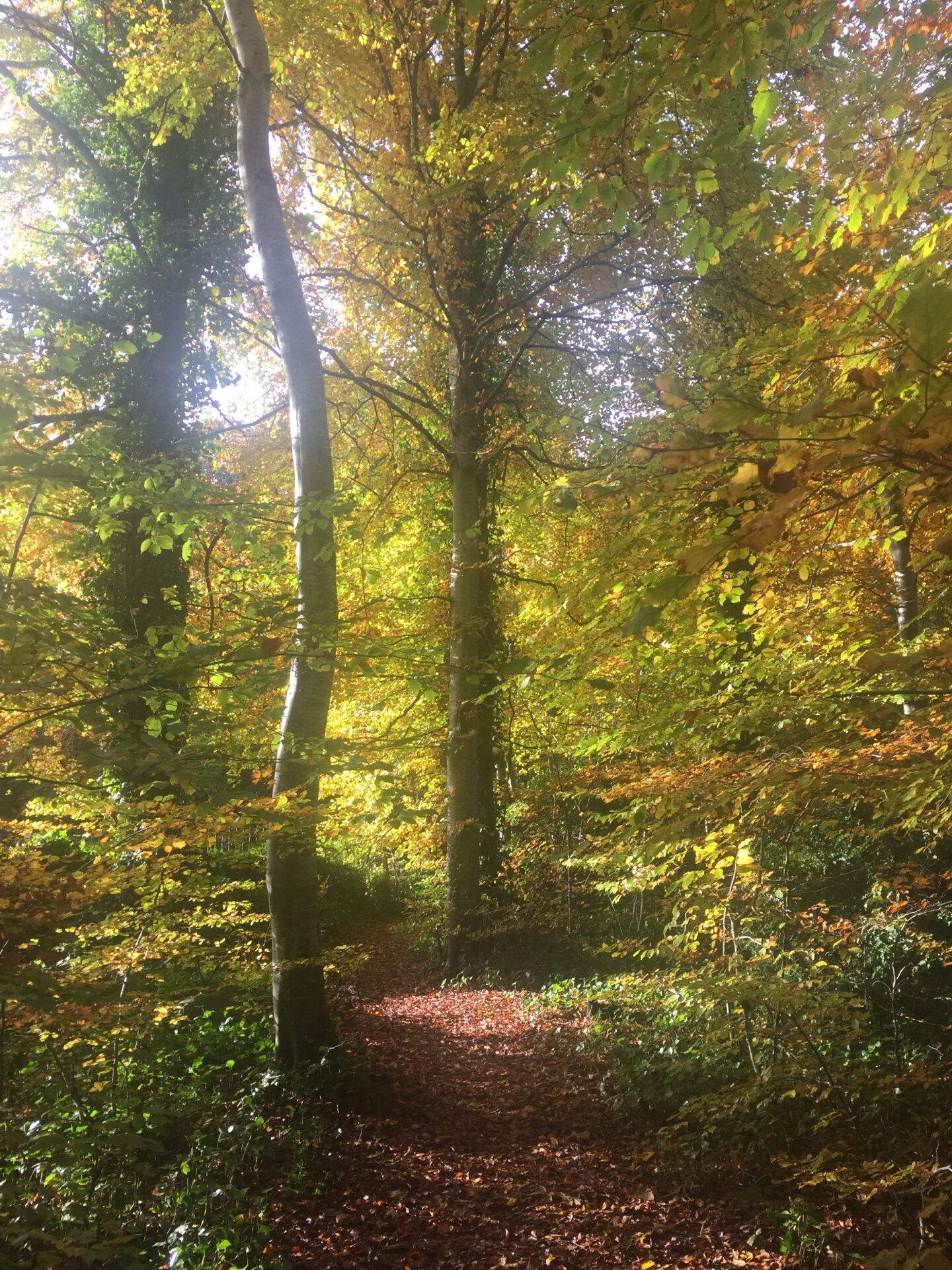
Nature reserve with woodland trails along the River Enrick where it meets the loch.
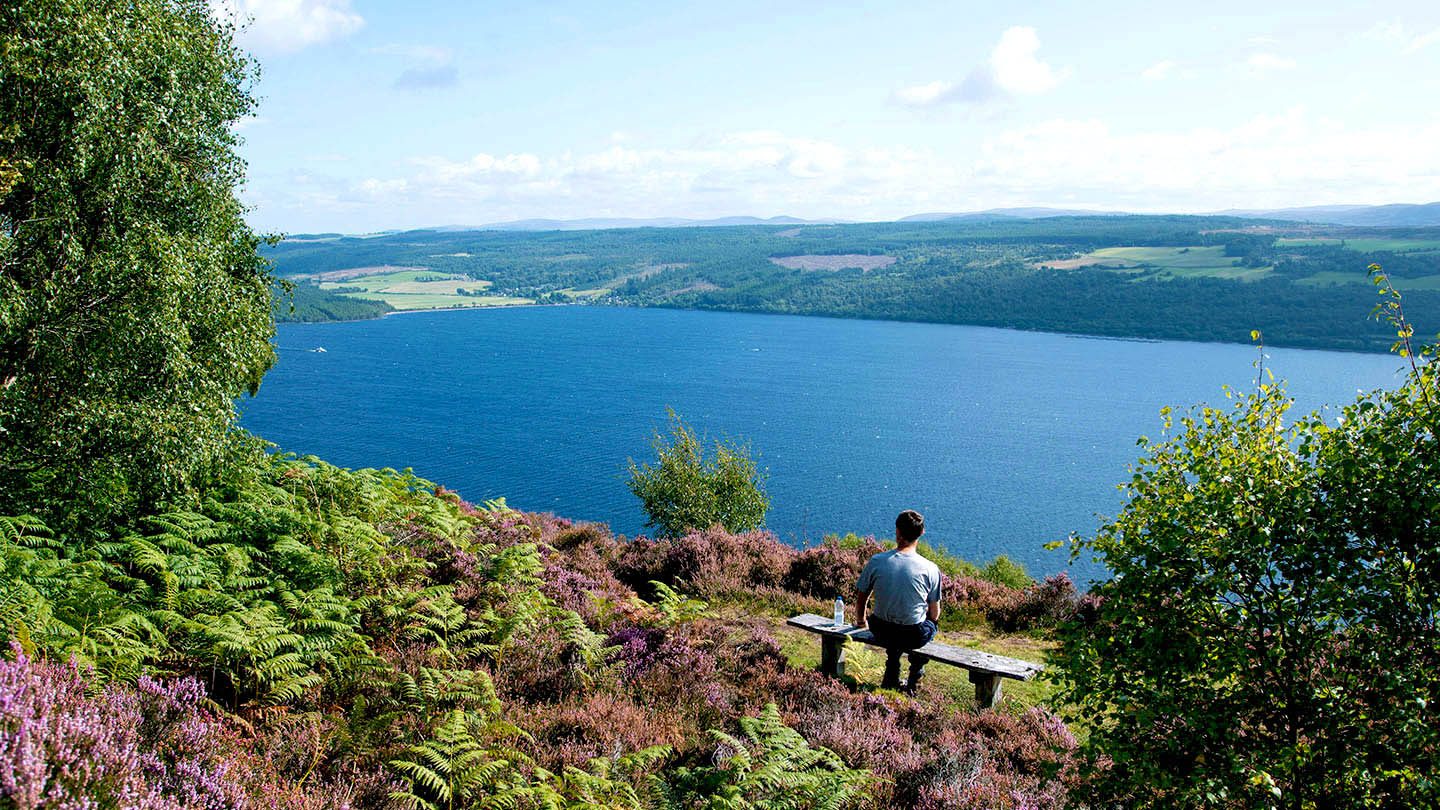
Elevated roadside pullouts along the A82 give wide views down the length of the loch and surrounding hills.
Village guesthouses and small hotels close to the main departure points.
Wide range of hotels near Inverness Marina and the rail station.
Simpler guesthouses and B&Bs near the Caledonian Canal locks.
Small lodges and cottages with private loch views, often self-catering.
Join thousands of happy travelers who have discovered this incredible experience
Book Your Experience Now