12 hr 30 min
Loch Ness, Glencoe & Scottish Highlands Day Tour from Edinburgh
- Expert local guide
- Small group
- Skip-the-line access
- Free cancellation
Loch Ness Tour — Centre, Cruises & Monster Legend
Scotland's deepest mystery unfolds on water, through exhibition halls and Highland shore
Compare fares, pick the fit — all bookings are mobile-voucher and eligible for free cancellation where shown.
12 hr 30 min
3 hr 30 min
12 hr
| Experience | From | Duration | Rating | Transfers | Guide | Free cancel. | Price | |
|---|---|---|---|---|---|---|---|---|
|
Guided Experience
Most popular
Loch Ness, Glencoe & Scottish Highlands Day Tour from Edinburgh
|
Edinburgh | 12 hr 30 min | ★ 4.6 | ✓ | ✓ | ✓ | €67 | Book → |
|
Standard Entry
Loch Ness Cruise & Urquhart Castle from Inverness
|
Inverness | 3 hr 30 min | ★ 4.7 | — | ✓ | ✓ | €66 | Book → |
|
Guided Experience
Loch Ness, Glencoe & Scottish Highlands Day Trip from Glasgow
|
Glasgow | 12 hr | ★ 4.8 | ✓ | ✓ | ✓ | €114 | Book → |
Worth it for monster enthusiasts and first-timers
The 18.95 GBP admission to the Loch Ness Centre buys you a multimedia exhibition that unpacks the monster legend through sonar scans, eyewitness accounts, and scientific investigations spanning decades. You're paying for storytelling depth rather than a quick photo stop—the exhibition walks you through hoax exposés, serious search expeditions, and the cultural grip Nessie holds on the Highlands. For visitors who want context before or after cruising the loch, the Centre delivers value by grounding myth in real history. Casual sightseers who prefer outdoor experiences over indoor exhibits may find better ROI in a loch ness tour by boat, where you scan the water yourself. Families with curious kids get strong mileage from the interactive displays; solo travellers seeking Instagram backdrops less so. The price sits fair against comparable Scottish heritage sites, and the Drumnadrochit location lets you pair it with Urquhart Castle ruins for a half-day itinerary.
Bottom line: Buy loch ness tour tickets if you want the legend explained before you chase it on the water.
Most visitors planning a loch ness tour end up choosing between the Loch Ness Centre's exhibition and a Jacobite Cruises boat trip, and the honest answer is they solve different problems: one explains the legend, the other puts you on the water where sonar searches actually happened.
|
Top pick Loch Ness Centre |
Jacobite Cruises Boat Tour | |
|---|---|---|
| What you experience | Exhibition, archive film, sonar and research displays | Live cruise across the loch with onboard commentary |
| How you get there | Walk in from Drumnadrochit village centre | Board at Inverness, Fort Augustus or Drumnadrochit pier |
| Time on water vs on land | All on land — indoor galleries | All on water — open and covered deck seating |
| Price | 18.95 GBP per adult | From around 22-38 GBP per adult depending on route |
| Duration | Self-paced, typically under 2 hours | 1-2.5 hours depending on cruise option |
| Best for | Understanding the monster legend and research history | Seeing the loch itself and spotting Urquhart Castle from water |
| See tickets & prices |
Verdict: Pick the Loch Ness Centre for the story behind the myth and the Jacobite Cruises boat tour for the scenery itself, though many visitors from Inverness or Fort William book both in the same day.
Hand-picked experiences loved by thousands of travelers
12 hours
Free Cancellation
Discover Scotland's legendary landscapes on this 12-hour journey through misty lochs and dramatic glens
3 days
Free Cancellation
Explore Scotland's wild beauty: dramatic glens, legendary lochs, and the magical Isle of Skye
12 hours
Free Cancellation
Journey through Scotland's most dramatic landscapes on this full-day Highland adventure with waterfalls, whisky, and legendary lochs
11.5 hours
Free Cancellation
Discover Scotland's most iconic landscapes on this guided journey through glens, lochs, and mountains.
9 hours
Free Cancellation
Full-day adventure combining a cruise on legendary Loch Ness with historic battlefields and Outlander filming locations
2 days
Free Cancellation
Explore Scotland's legendary landscapes from Edinburgh: Glencoe's dramatic valleys, Loch Ness mysteries, and Culloden's historic battleground.
4 hours
Free Cancellation
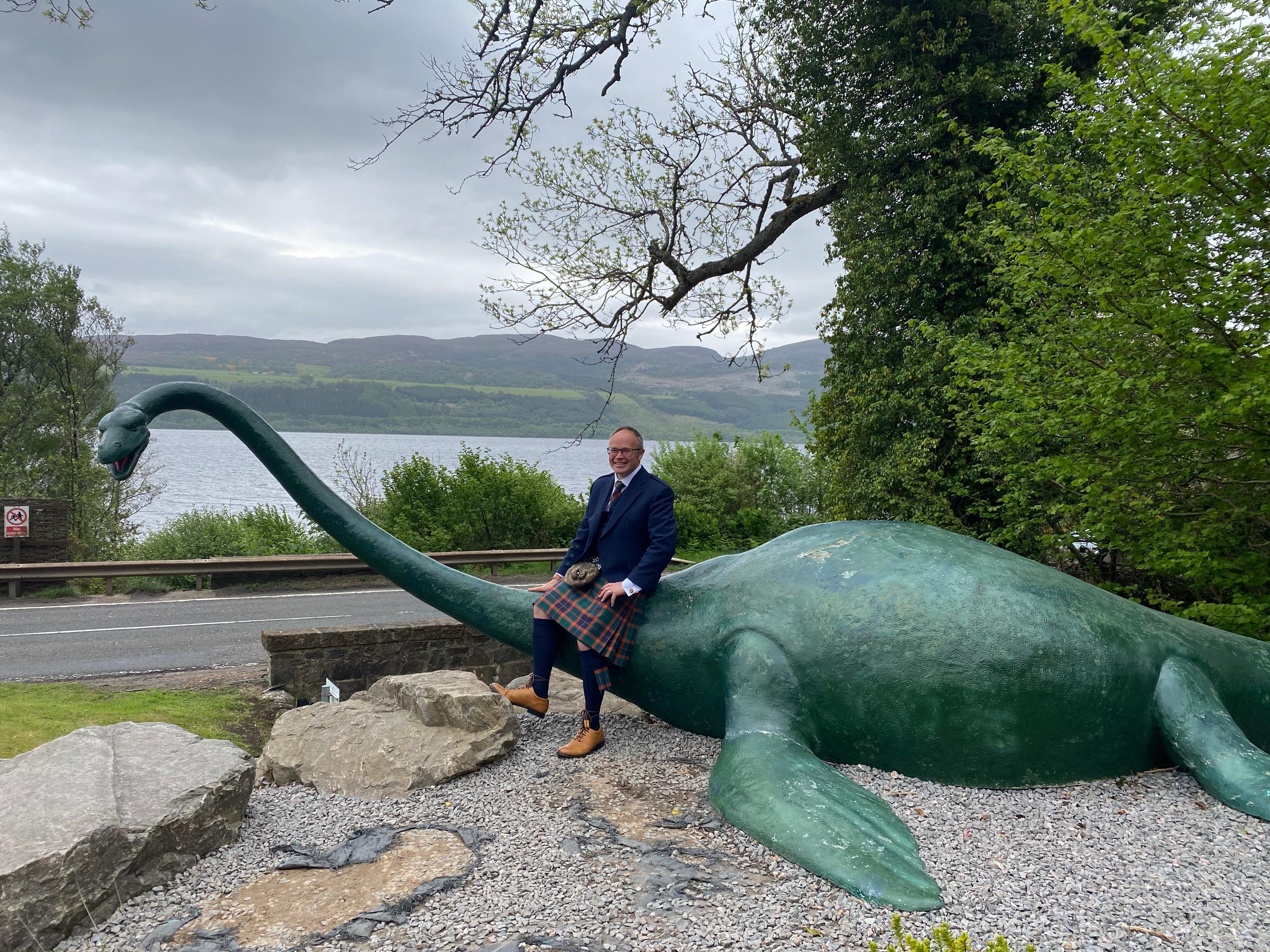
Explore Scotland's legendary loch, medieval castle ruins, and ancient stone circles with your own kilted guide
Show your booking and collect an admission wristband at the front desk
Walk through themed rooms covering the loch's geology, folklore, and search history
Stop at the on-site café for tea or a snack before heading outside
Walk down to the water's edge near Drumnadrochit for loch views
Browse Nessie-themed souvenirs near the exit
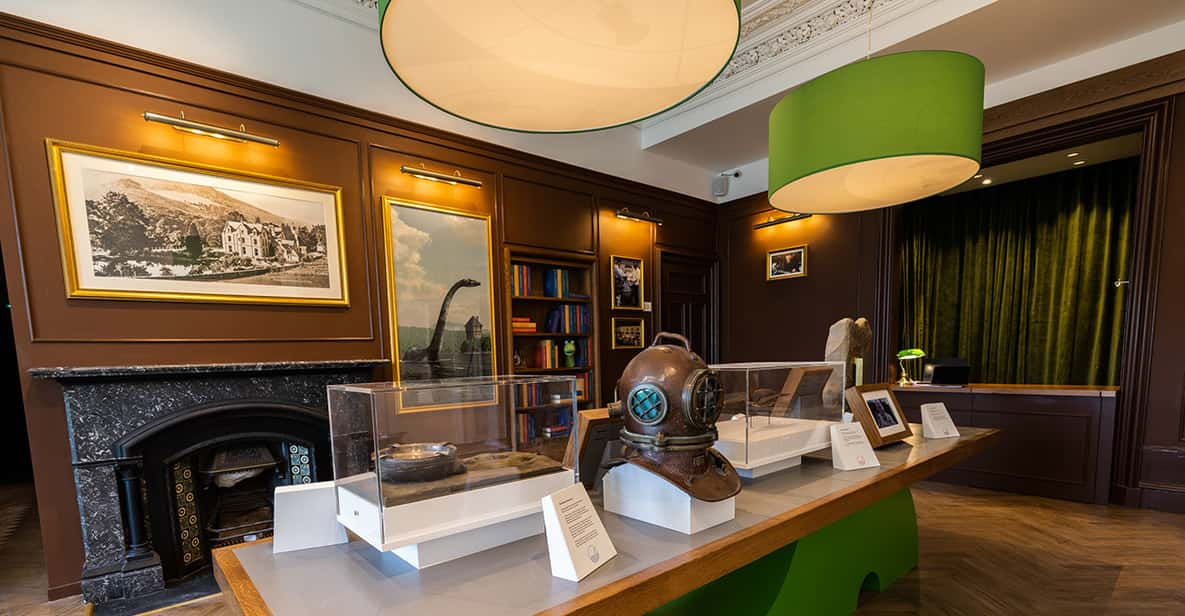
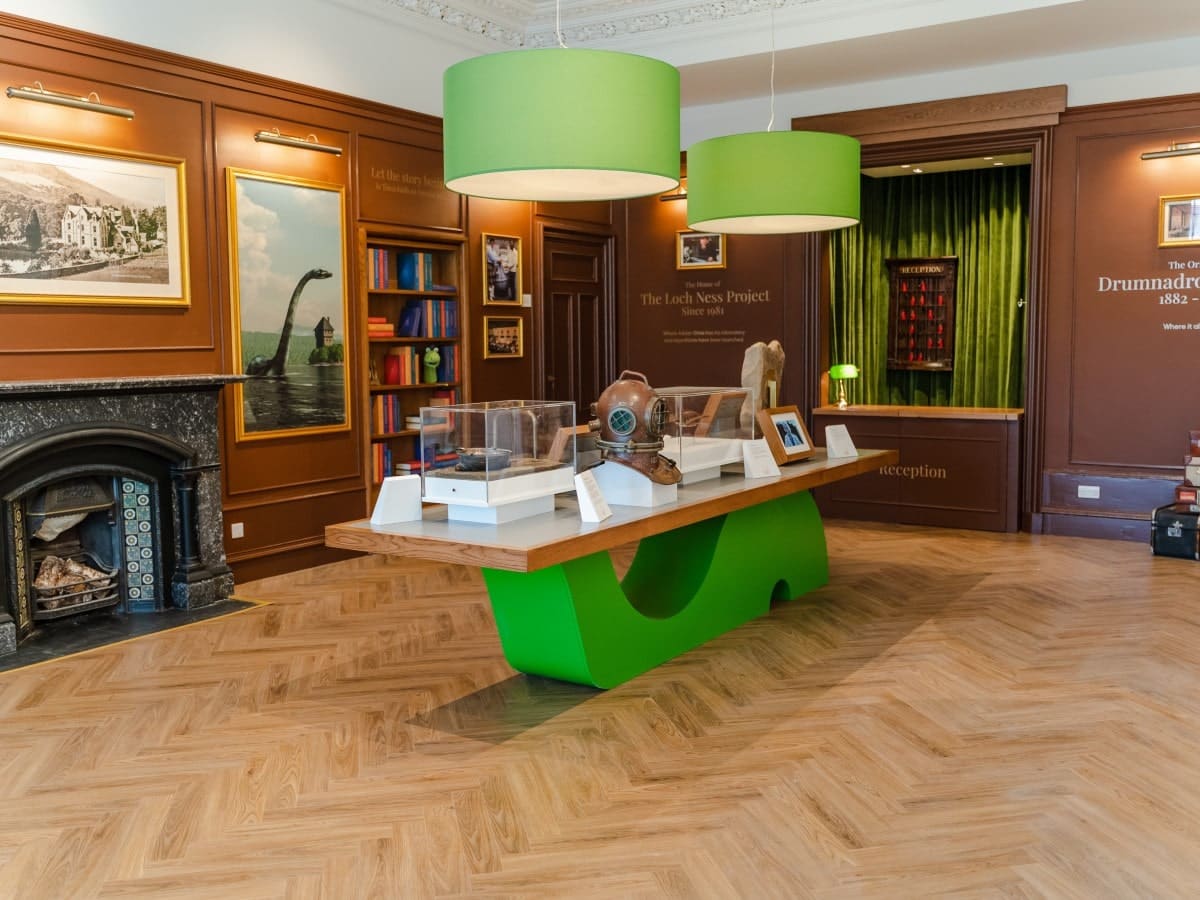
A themed gallery walking visitors through decades of eyewitness accounts and folklore surrounding the loch, including early 20th-century newspaper reports. The room reconstructs the timeline of sightings from the 1930s onward.
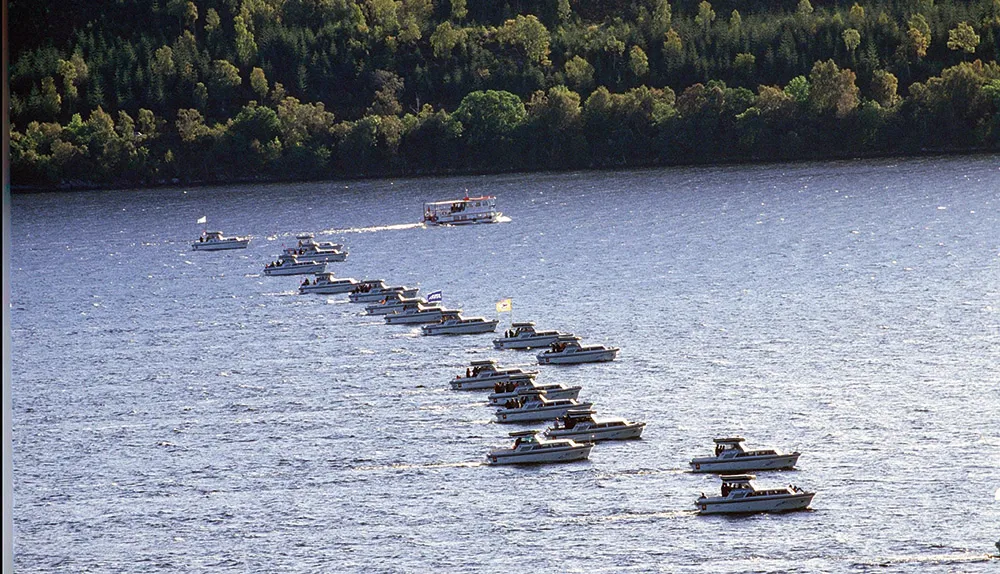
An exhibit detailing the 1987 sonar survey that used a flotilla of boats to sweep the loch simultaneously, one of the largest organized searches ever conducted there. Sonar equipment and original survey data are on display.
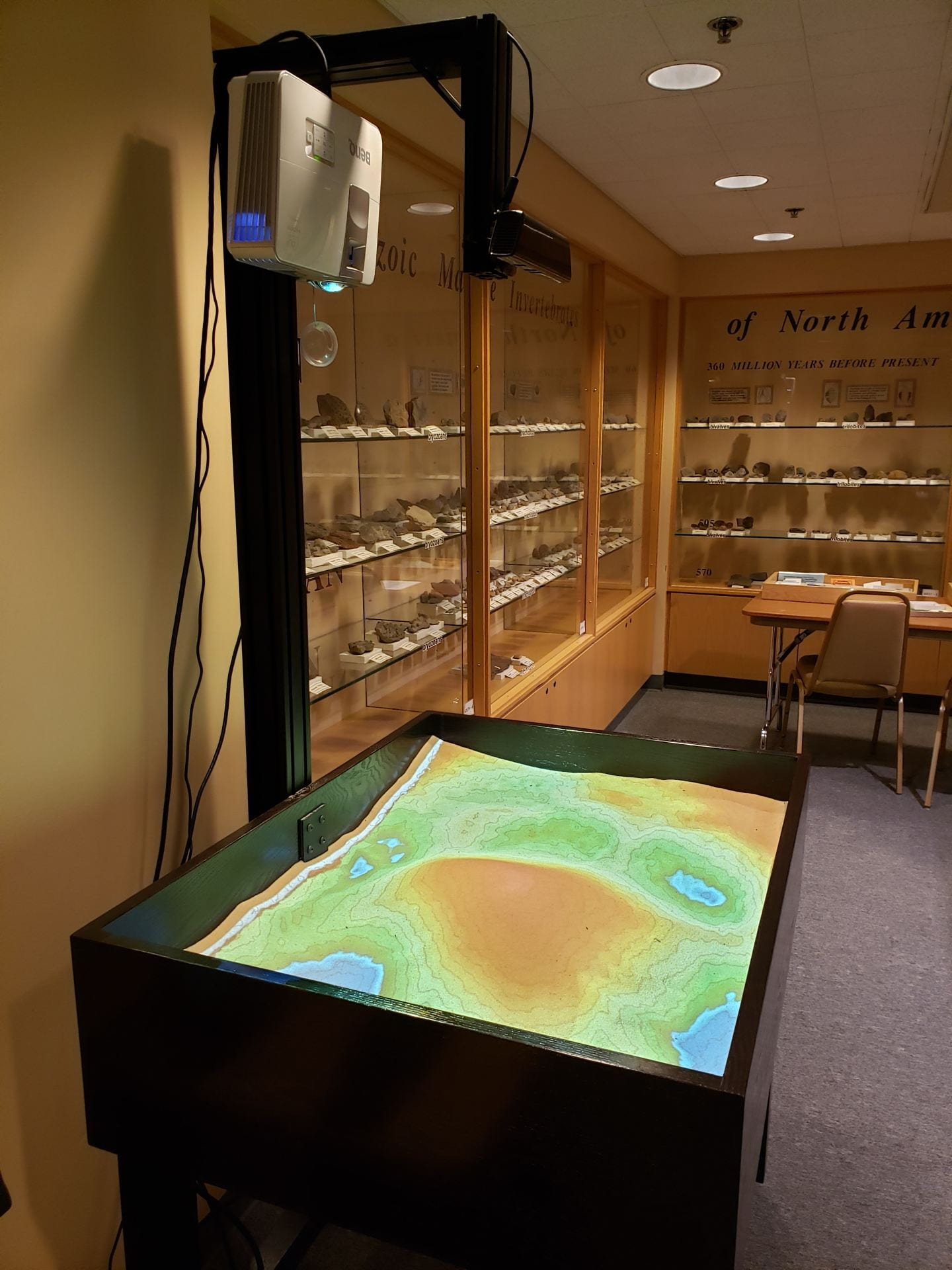
A section explaining the loch's unusual depth, reaching over 200 meters in places, and the peat-darkened water that limits underwater visibility to a few meters. Interactive models illustrate the loch's underwater topology.
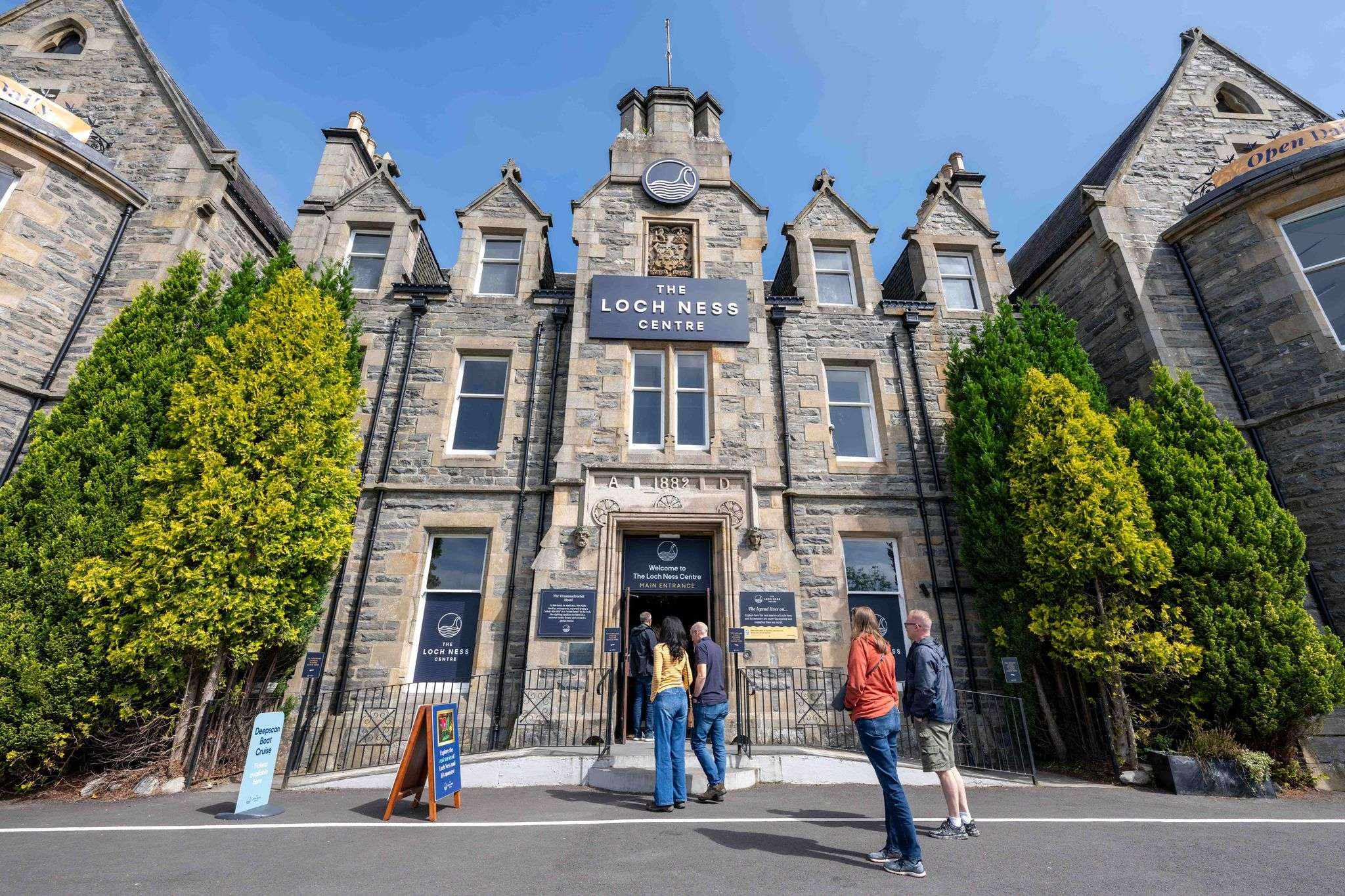
A room preserving elements of the original Drumnadrochit Hotel building, where early 20th-century guests first popularized loch monster stories to visiting journalists. Period photographs and hotel ledgers are displayed.
The final stop on the visitor route, offering Highland snacks and Nessie-themed souvenirs overlooking the village high street. The shop stocks locally produced gifts alongside monster-themed merchandise.
You arrive at the Loch Ness Centre in Drumnadrochit mid-morning, collecting your admission pass at the reception desk before entering the first exhibition hall. The timeline spans 400 million years, moving from tectonic shifts to medieval chronicles in twelve minutes.
You pause at the 1933 newspaper clipping — the image that launched a thousand expeditions — then continue to the sonar room, where recorded dives play on wall-mounted screens.
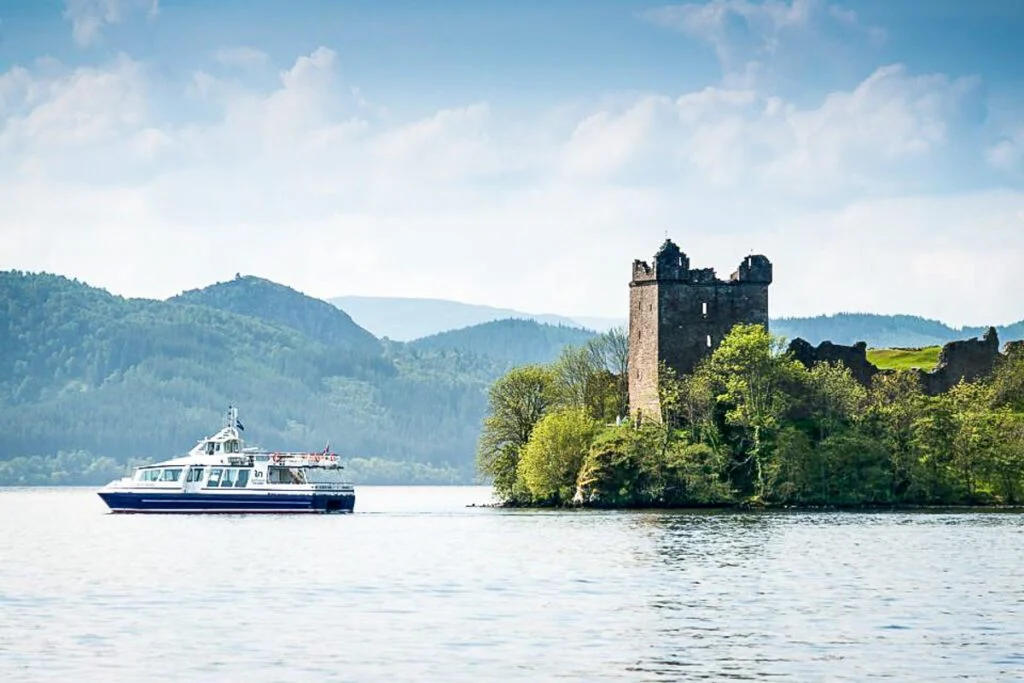
Outside, you walk 200 metres downhill to the boat dock. The vessel departs at 11:00, heading south past Urquhart Castle's stone keep. You stand at the stern rail as the guide points to the eastern shore, explaining how the loch's depth creates thermal layers that distort sonar returns. Forty minutes into the cruise, the hydrophone picks up a large return at 90 metres — likely a submerged log or sediment shelf, the captain notes, though several passengers crowd the monitor.
Back on land, you drive three kilometres south to the castle car park. The climb to the Grant Tower takes eight minutes, stone steps worn smooth by centuries of foot traffic. From the top, the loch stretches northeast toward Inverness, its surface calm except where a tour boat cuts a white wake. You descend through the gatehouse ruins, exit through the gift shop, and return to your car as the afternoon coach groups begin to arrive.
All the details about your upcoming adventure in one place
A loch ness tour takes you through Scotland's Great Glen to explore the legendary freshwater loch stretching 23 miles through the Highlands. Most excursions from Inverness combine boat cruises with visits to Urquhart Castle ruins perched above the water, while guides share geological facts about the loch's depth and seismic origins. Whether you choose a Scottish Highlands expedition or focused Loch Ness tours, expect dramatic landscapes shaped by the Great Glen Fault and stories rooted in local folklore.
The 230-metre-deep trench holding Loch Ness contains more fresh water than all the lakes in England and Wales combined — a volume large enough to submerge the global human population three times over.
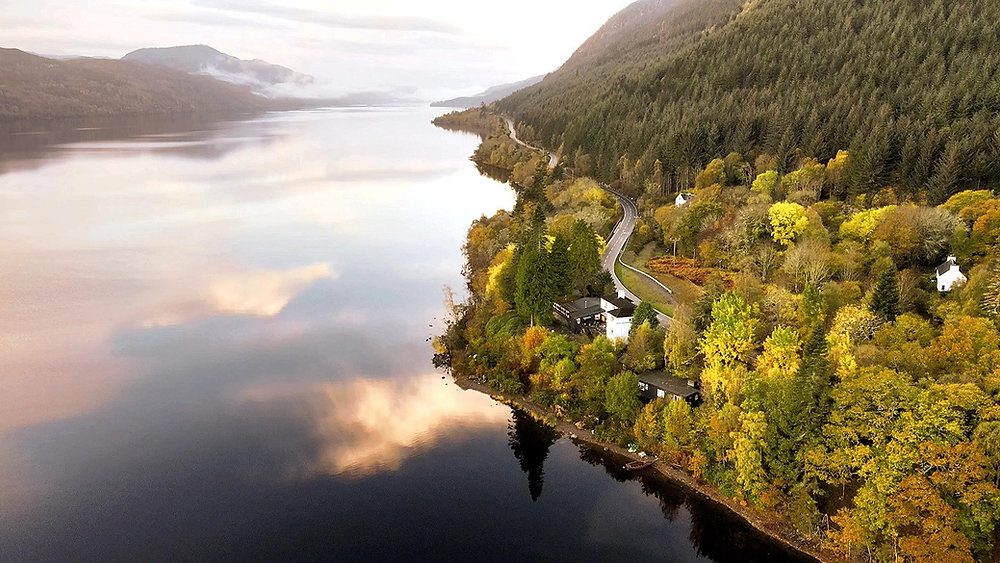
Carved by glaciers during the last ice age, this Great Glen fault-line lake stretches 37 kilometres southwest from Inverness, its peaty waters so dark with suspended particles that visibility below five metres drops to near zero. That opacity, coupled with seiche waves that can reach two metres in height, has sustained centuries of sighting reports and turned a quiet Highland waterway into one of Scotland's most visited natural landmarks.
Today's Loch Ness tours radiate from Drumnadrochit, a village positioned midway along the northern shore where the Loch Ness Centre anchors the visitor infrastructure. The centre's exhibition traces the geological formation of the Great Glen, the 1933 photograph that ignited global fascination, and the sonar surveys conducted between 1962 and 2003. Displays examine eyewitness psychology, medieval water-horse folklore, and the 1987 Operation Deepscan that deployed 24 boats in a coordinated sweep. The narrative does not settle the creature question — it contextualises why the question persists, decade after decade, despite advancing detection technology.
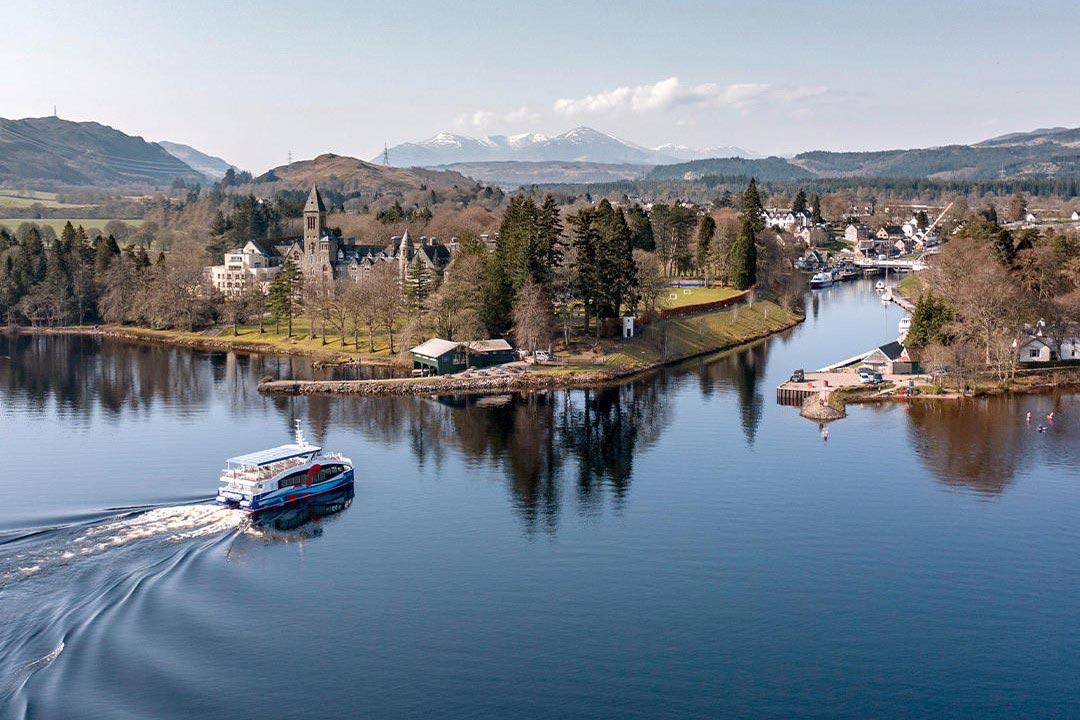
Most boat operators launch from Drumnadrochit or nearby Fort Augustus, offering circuits that pass Urquhart Castle's 13th-century ruins and the deeper eastern basin where the loch floor descends to 230 metres. The water temperature remains a constant 5°C year-round, cold enough to suppress decomposition and preserve submerged timber for centuries. Hydrophone-equipped vessels broadcast real-time sonar to passenger screens, turning the cruise into an active search rather than passive sightseeing. On-shore walks connect the castle headland to Abriachan Forest, where elevated trails provide sight lines across the entire loch width — roughly 1.6 kilometres at its broadest.
Loch Ness tourism now supports coach connections from Edinburgh, Glasgow and Inverness, with dedicated departure points at invergordon cruise port for passengers on North Atlantic itineraries. The Highland landscape remains unchanged: steep forested slopes, single-track roads, and a body of water so vast it generates its own microclimate. Whether the draw is cryptozoology, geology, or simple scale, the loch delivers a encounter with deep time and deeper water.

The 230-metre trench holds more fresh water than all the lakes in England and Wales combined.
There is no formal dress code at the Loch Ness Centre, but sturdy footwear is worthwhile since the exhibition route includes uneven flooring sections styled after the old Drumnadrochit Hotel building. Layers are recommended given the changeable Highland weather outside the exhibition halls.
Bags are permitted inside the Loch Ness Centre and are subject to a visual check at the entrance during busier periods. There is no dedicated bag storage beyond small lockers, so keep daypacks manageable for the self-guided route through the galleries.
Personal photography without flash is allowed throughout the exhibition areas, including the recreated loch-side displays. Tripods and professional filming equipment require advance permission from staff since aisles between exhibits are narrow.
Children are welcome throughout the exhibition, and the interactive displays are designed to hold younger visitors' attention. Buggies fit through the main corridors, though narrower side rooms may require folding them.
The Loch Ness Centre is step-free throughout, with accessible restrooms and level access between exhibition rooms. Wheelchairs and mobility scooters can navigate the full self-guided route, and staff at reception can advise on the smoothest path through busier sections.
Outside food and non-alcoholic drinks may be consumed in the on-site café seating area, but food is not permitted inside the exhibition galleries themselves. Bottled water is allowed throughout the visit to stay hydrated during the self-guided route.
Midweek tends quieter
Coach groups common
Hours
Daily 09:30–18:00
Opening hours
09:30 – 18:00
Getting there
City-center access via metro and bus
Accessibility
Most experiences are wheelchair-friendly — check individual tours
What to bring
Comfortable shoes, water, phone for mobile voucher
Car · 30 min from Inverness · Free on-site parking
Drive the A82 north from Inverness along the loch's western shore; the Centre has its own car park in Drumnadrochit village.
Public transport · 40-50 min from Inverness · Around 6-8 GBP one way
Stagecoach service 17 runs from Inverness bus station to Drumnadrochit several times daily, stopping close to the village center.
Taxi · 25-30 min from Inverness · Approximately 35-45 GBP
Taxis from Inverness city center or the train station reach Drumnadrochit via the A82 directly.
Bike · 1.5-2 hours from Inverness · Free
Cyclists can follow the Great Glen Way or the A82 shoulder from Inverness, though the road has fast-moving traffic in places.
Tickets booked online for the Loch Ness Centre can be cancelled or rescheduled up to 24 hours before the visit date for a full refund of the 18.95 GBP adult admission. No-shows or late cancellations are generally non-refundable.
Recommended time
2 hours
A typical loch ness tour exhibition experience at the Loch Ness Centre requires about two hours to fully explore the interactive displays and local geology. We recommend utilizing the best arrival window: 09:30–11:00 — Fewer coach tour crowds before midday arrivals to ensure a smoother flow through the exhibits. Those looking to secure loch ness tour tickets in advance should aim for these earlier slots, as visitor numbers increase steadily as the afternoon progresses. You might consider adding extra time if you plan to engage deeply with the multimedia presentations or discuss the legendary water-dwelling creature with staff.
Crowd levels through the day
Weather · crowds · average price — dots go green to amber to red as each metric rises.
March to May brings cooler temperatures around 8-13°C and thinner coach traffic than summer. Daffodils and fresh greenery line the drive into Drumnadrochit. A loch ness tour booked in April or May often means shorter queues at the ticket desk.
June to August is peak season with temperatures reaching 17-19°C and the heaviest coach tour volume of the year. Long daylight hours, often past 9pm, extend the practical visiting window for a loch ness tour combined with a boat cruise.
September and October bring mild days around 10-14°C and noticeably fewer tour buses after the school summer holidays end. This is a favored season for a quieter loch ness tour, with autumn colors along the loch shore.
November to February sees temperatures near freezing and the shortest daylight, but also the lightest crowds all year. A winter loch ness tour suits visitors prioritizing solitude over mild weather.
Reserve loch ness tour tickets in advance through the official site to skip the walk-up ticket line during summer.
Large coach tour groups tend to arrive in clusters around midday, so plan gallery time around them.
Urquhart Castle is a short drive south and pairs naturally with a Loch Ness Centre visit on the same day.
Rain gear is worth packing year-round since Highland showers can appear with little warning.
Grab a coffee early in your visit since the café seating fills up once coach groups arrive.
The road outside the Centre is a fast national route, so cross carefully near the village.
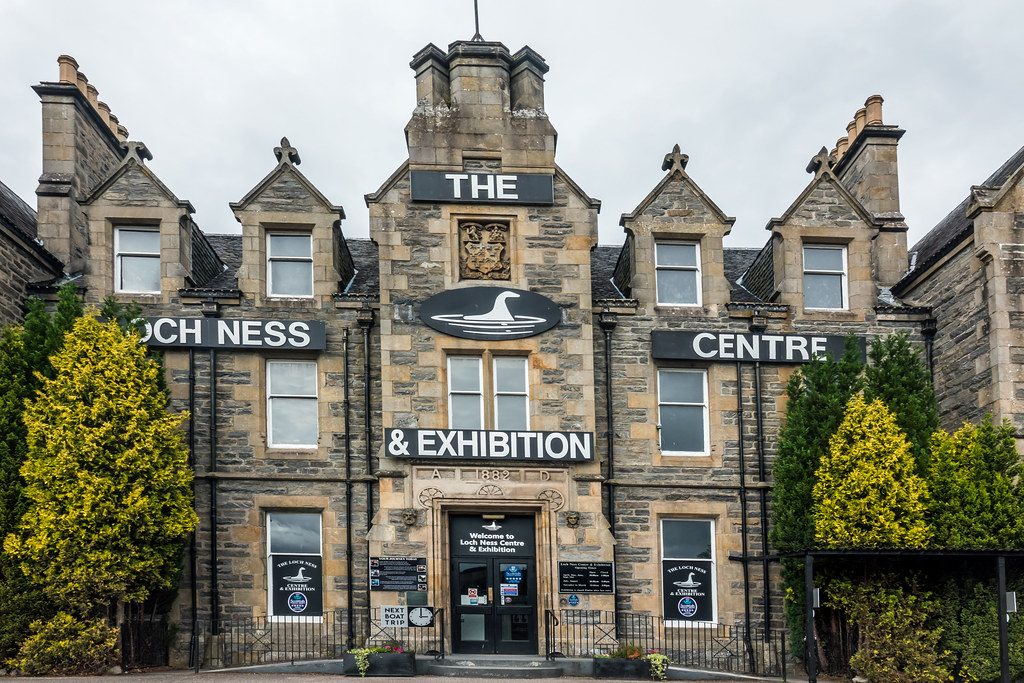
Loch Ness Centre, Drumnadrochit, Inverness IV63 6TU
Group tours typically gather here 15 minutes before entry
Get directionsDrumnadrochit, Inverness IV63 6TE
Overflow parking for coach and self-drive visitors
Get directionsThe modern fascination with Loch Ness began in 1933, when a new road opened along the northern shore and sightings of a large creature surged. George Spicer and his wife reported an encounter that July, describing a long-necked animal crossing the road ahead of their car. The Inverness Courier ran the story under the headline "Strange Spectacle on Loch Ness," and within months the lake became a media phenomenon. By December 1933, the Daily Mail had hired big-game hunter Marmaduke Wetherell to track the beast; his discovery of large footprints was exposed as a hoax when the Natural History Museum identified them as hippopotamus tracks from an umbrella stand. Yet the legend endured. In 1934, the "Surgeon's Photograph"—a grainy image showing a serpentine neck rising from the water—was published and became the defining image of the monster, though it was later revealed as a staged model on a toy submarine. Scientific interest grew through the 1960s and 1970s as sonar technology advanced. The Loch Ness Phenomena Investigation Bureau conducted systematic surveys, and in 1972 Robert Rines captured underwater photographs that appeared to show a diamond-shaped flipper. Operation Deepscan followed in 1987, deploying a flotilla of boats equipped with sonar across the loch's 23-mile length. The sweep detected unexplained contacts in deep water, but no conclusive evidence emerged. The Loch Ness Centre opened in Drumnadrochit in the 1980s, transforming the hunt into a structured visitor experience. Today the centre houses exhibitions tracing sightings, hoaxes, and scientific expeditions, while boat tours depart daily from nearby piers. The legend's grip on popular culture has made Loch Ness Scotland's most visited inland attraction. Urquhart Castle, perched on the western shore, draws crowds less for its medieval ruins than for its vantage over the loch's dark expanse. The search continues through volunteer sonar scans and environmental DNA sampling, though most researchers attribute sightings to misidentified seals, logs, or wave patterns. The story remains a cornerstone of Highland tourism, blending folklore with legitimate geological curiosity about one of Europe's deepest freshwater bodies.
Road construction along the northern shore opens access and sightings multiply, triggering national press coverage.
The "Surgeon's Photograph" is published, becoming the most famous image of the alleged creature despite later exposure as a hoax.
Sonar surveys and underwater photography by research teams bring scientific attention to unexplained acoustic contacts.
Operation Deepscan deploys 24 boats in the largest sonar sweep of the loch, detecting anomalies but no definitive proof.
The Loch Ness Centre opens in Drumnadrochit, consolidating the legend into a permanent exhibition and visitor hub.
Environmental DNA study samples water throughout the loch, finding no evidence of large unknown species but significant eel populations.
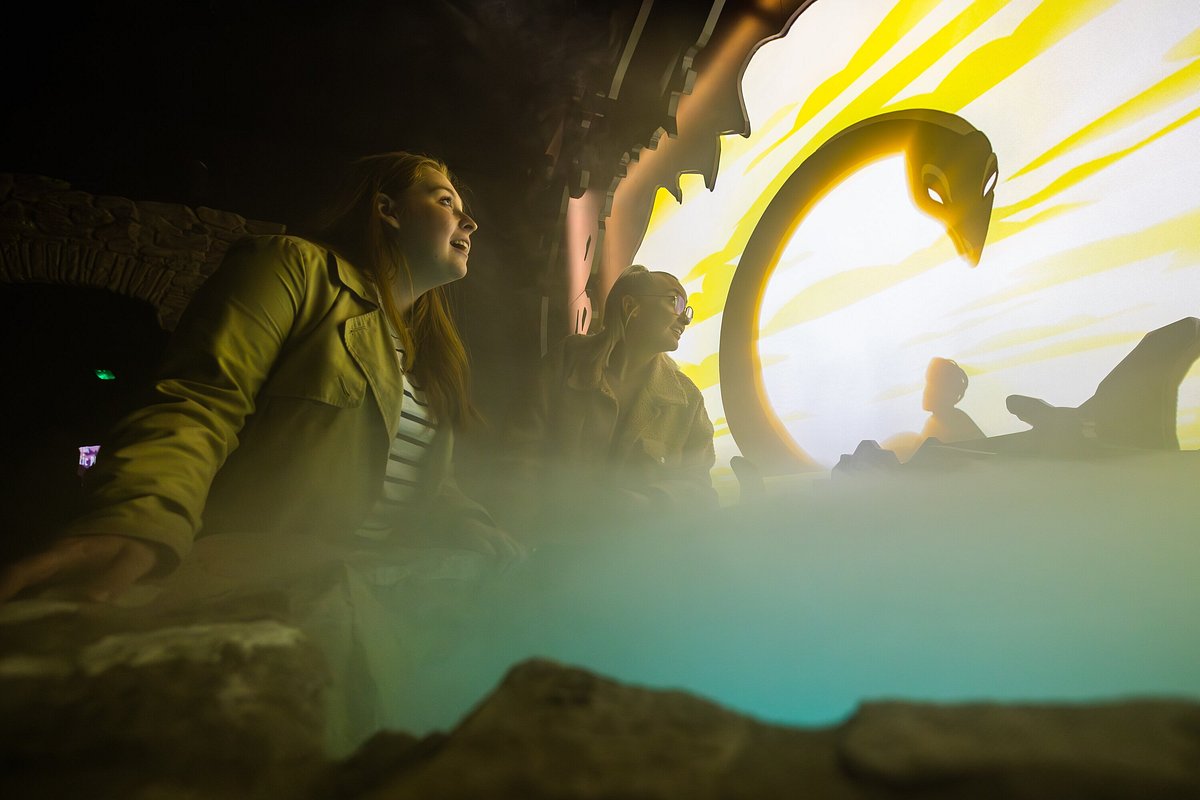
Exploring this site provides a grounded way to enjoy a loch ness tour while keeping younger visitors engaged with interactive exhibits. Balancing the historic storytelling with visual displays helps maintain interest for children throughout the experience.
This exhibition is well-suited for school-aged children who can appreciate the mystery of the legendary creature and local folklore.
Expect to spend about one hour exploring the displays, which allows families to secure their loch ness tour tickets and move at a relaxed speed.
Children often engage most with the multimedia zones, making it helpful to visit during the best arrival window of 09:30–11:00 to avoid crowding near the screens.
Since you will be visiting a prominent Inverness landmark, plan to arrive early to ensure the little ones have space to move freely between the exhibits.
The scientific context of this loch ness tour tour offers a clear narrative, helping kids separate the biological research from the myths surrounding the water.
Most visitors on a loch ness tour eat right at the centre or walk into Drumnadrochit village, since both sit within a couple of minutes of each other. The on-site café covers a quick coffee or sandwich, while the village streets hold a handful of proper sit-down options for a fuller meal before or after your exhibition visit.
Soup, sandwiches and cakes served just past the entrance, handy for a quick bite before or after the exhibition. Busiest right when coach groups let out around midday. Good for a fast stop rather than a lingering lunch.
Scottish classics and burgers in a relaxed dining room on the main road through Drumnadrochit. Popular with families in the evening, so lunchtime is calmer. Suits those wanting a sit-down meal with table service.
A village pub with real ales and hearty mains like fish and chips or stew. Quieter than the centre café, with a beer garden in warmer months. Works well for an unhurried dinner after a full day out.
Simple bakes, filled rolls and hot drinks in a small casual spot near the village square. Best for a light breakfast or snack rather than a full meal. Tends to fill up on weekend mornings.
Real experiences from real travelers
Our guide shared centuries of Highland history while we crossed the loch near Urquhart Castle. The water was mirror-calm that morning, and we spotted several red deer on the forested banks. Bring layers even in summer.
The loch ness tour took us past dramatic castle ruins and through sections where the water reaches over 230 meters deep. Our captain explained the geological formation of the Great Glen fault line. Worth every penny.
Three-hour cruise departed from Fort Augustus with clear views of the surrounding Highlands. The sonar equipment added a modern touch to the traditional monster hunt narrative. Weather changed quickly so waterproof jacket recommended.
The September light on the water was remarkable, though we spent more time listening to legend stories than I expected. Still a solid way to experience the scale of the loch itself.
Our loch ness tour tickets included access to Urquhart Castle afterward, which made for a full day. The boat had heated cabin space and outdoor viewing decks. Saw golden eagles circling above the western shore.
Departed at dawn to catch morning mist over the water. The captain positioned us perfectly for shots of the castle against the loch. Bring a zoom lens for distant Highland peaks.
Two-hour route covered the southern basin where most sightings have been reported. Our guide discussed Victorian-era tourism and how the Caledonian Canal transformed the region. Water temperature stays around 5°C year-round.
Mid-week tour meant fewer crowds on the boat. We passed several smaller vessels near Foyers and learned about the hydroelectric station history. The forested slopes were vibrant green in July.
Seeing the loch from the water gives you proper perspective on its 36-kilometer length. Our captain pointed out where the depth drops suddenly near Invermoriston. Calm conditions made for smooth sailing.
The loch ness tour tours depart regularly from multiple points, we chose the Drumnadrochit route. Clear skies let us see Ben Nevis in the far distance. Pack binoculars for wildlife spotting along the banks.
Everything you need to know for your journey
The Loch Ness Centre is open daily from 09:30 to 18:00, seven days a week.
Standard adult admission for a loch ness tour of the Centre is 18.95 GBP.
Yes, the Loch Ness Centre is step-free throughout with accessible restrooms and level access between exhibition rooms.
Prohibited items include drones, large tripods without permission, glass containers, weapons, fireworks, and outside alcohol among others.
Arriving between 09:30 and 11:00 avoids the bulk of coach tour crowds that build up around midday; autumn weekdays are generally quieter than summer.
There is no strict dress code, though sturdy shoes are useful given uneven flooring in parts of the exhibition.
Bottled water is fine throughout, but food should be eaten in the café area rather than inside the exhibition galleries.
Stagecoach service 17 connects Inverness bus station to Drumnadrochit in about 40-50 minutes, or you can drive the A82 in roughly 30 minutes.
Yes, the interactive displays and step-free layout make the Centre workable for families with children of most ages.
Tickets can typically be cancelled or rescheduled up to 24 hours before the visit date for a full refund of the 18.95 GBP admission.
Personal, non-flash photography is allowed throughout the exhibition; tripods need staff permission due to narrow aisles.
Urquhart Castle is a short drive south along the loch shore, and Drumnadrochit village itself has walkable sights near the Centre.
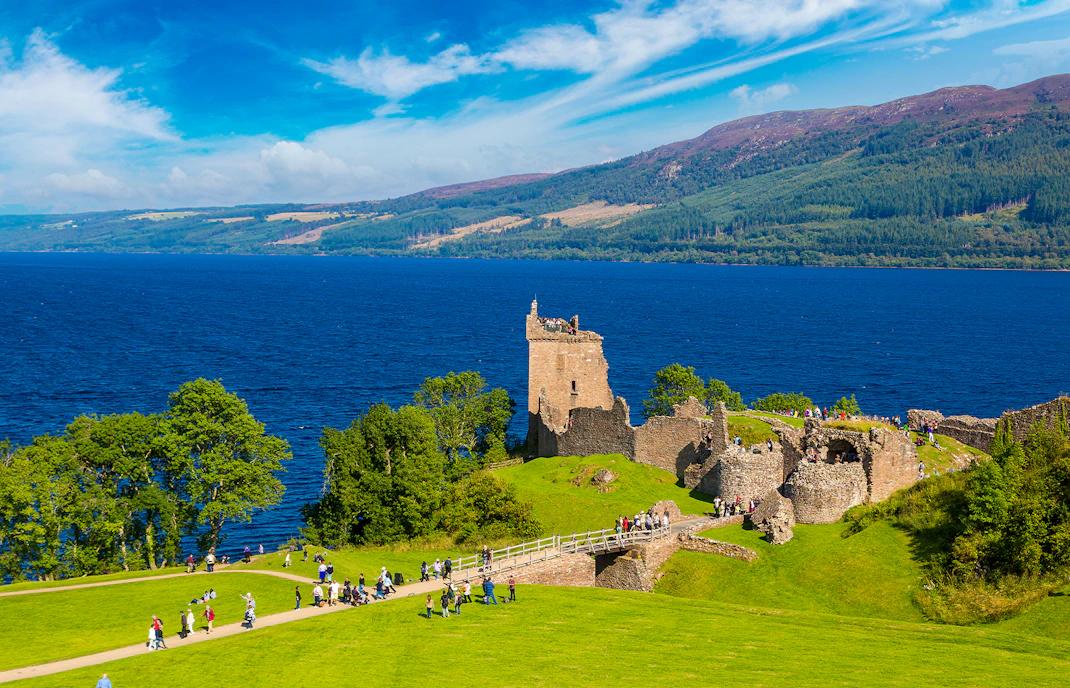
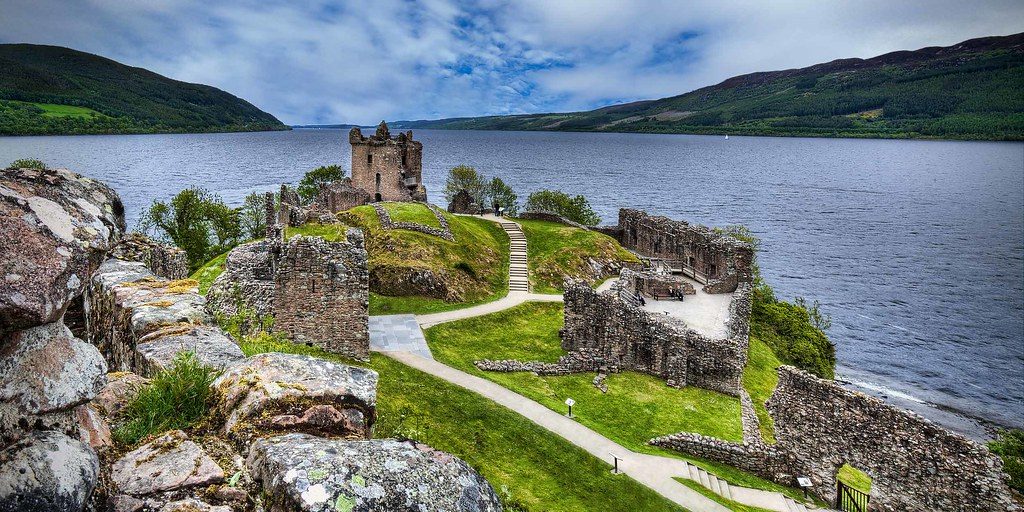
Ruined castle on a headland overlooking Loch Ness with visible medieval towers and a working trebuchet replica. It sits about 2 miles south of Drumnadrochit village.
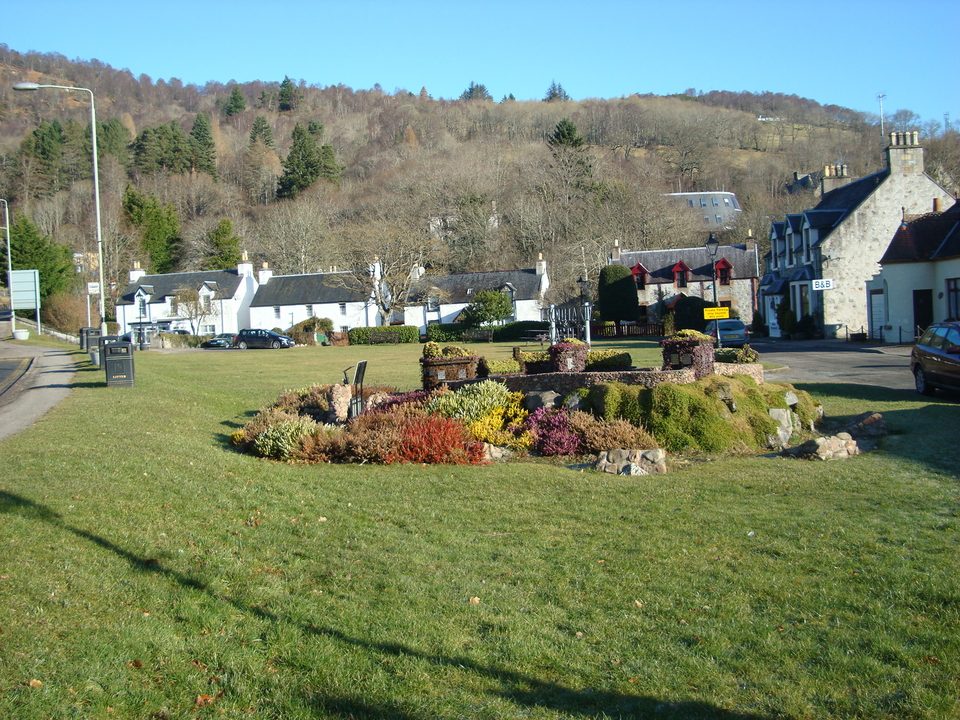
Small Highland village with shops, cafés, and Nessie-themed statues near the main crossroads.
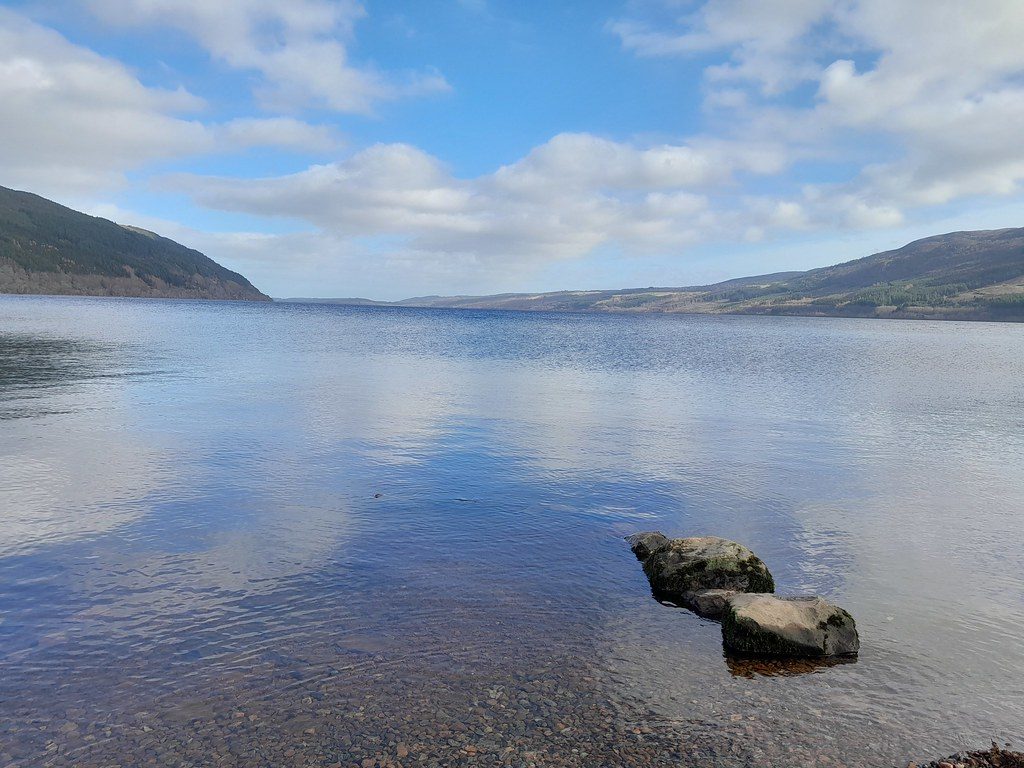
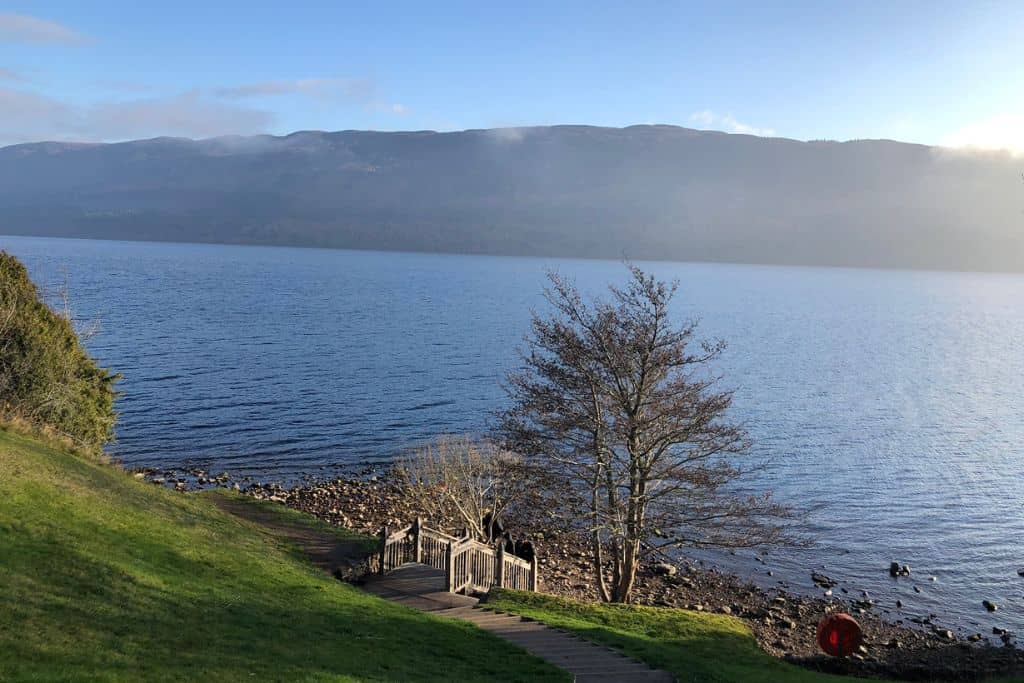
A public access point to the water's edge near the village, popular for photographs of the loch.
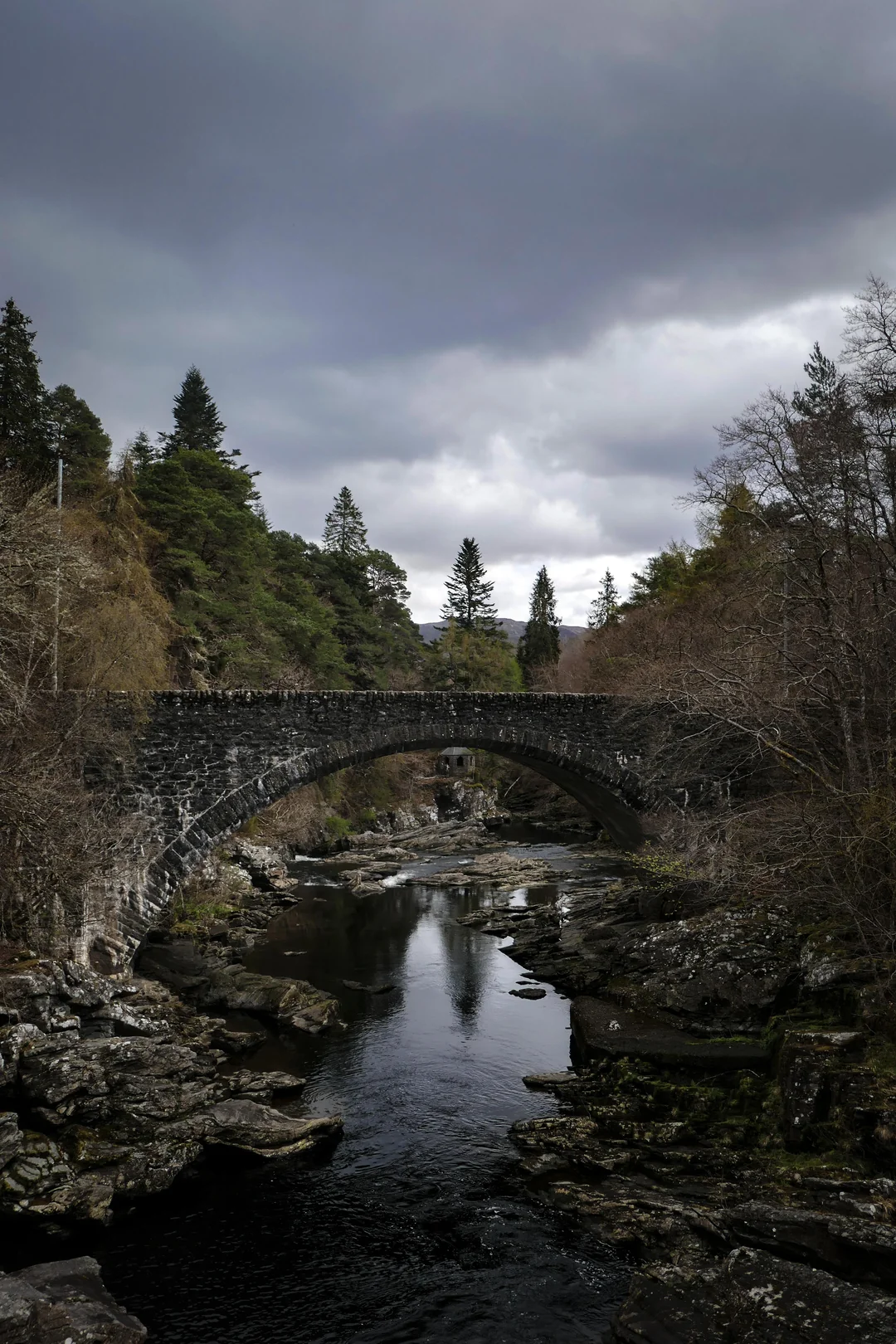
A historic stone footbridge over the River Coiltie just outside the village center.
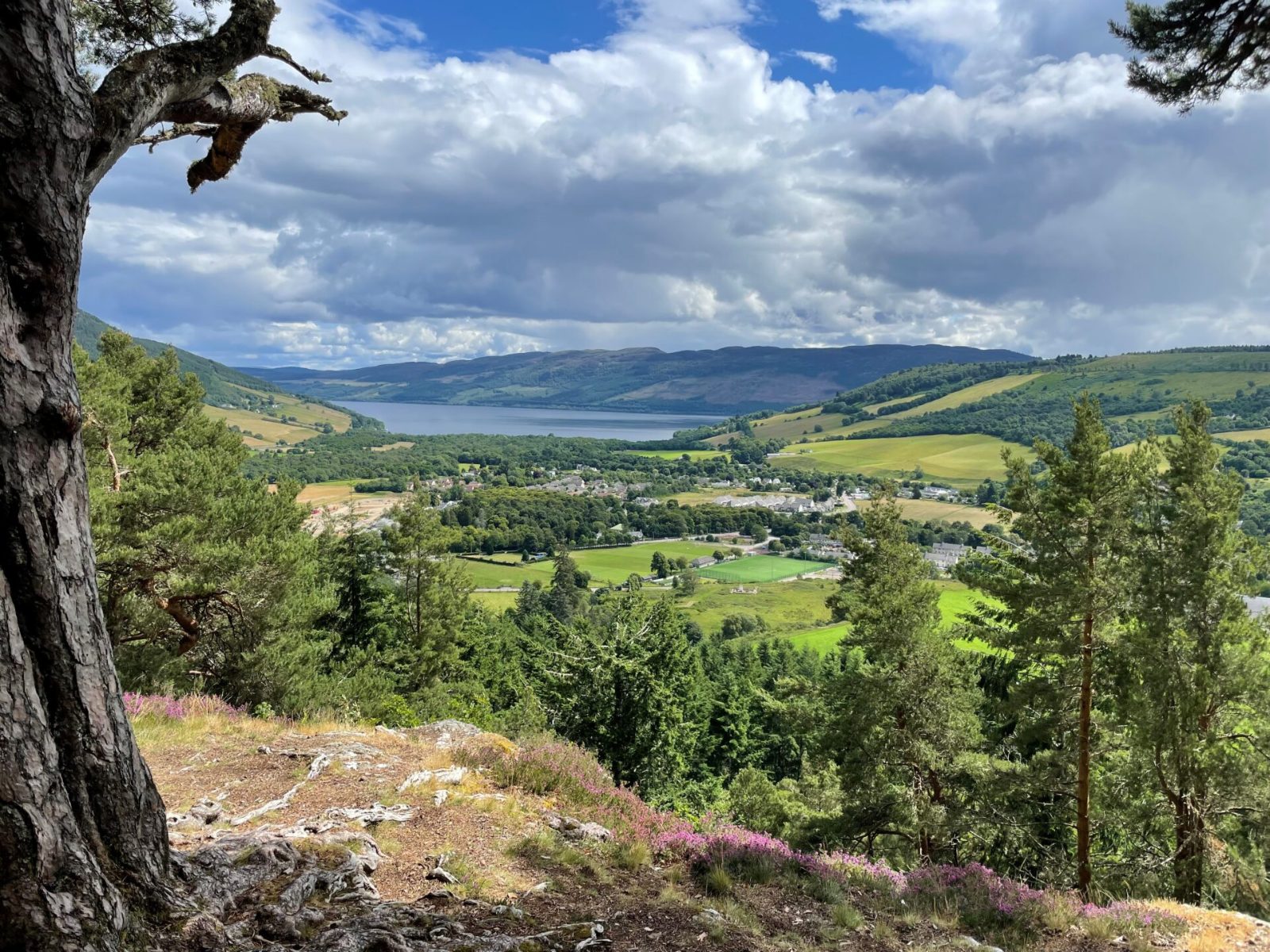
Forested walking trails on the hillside above Drumnadrochit with views back toward the loch.
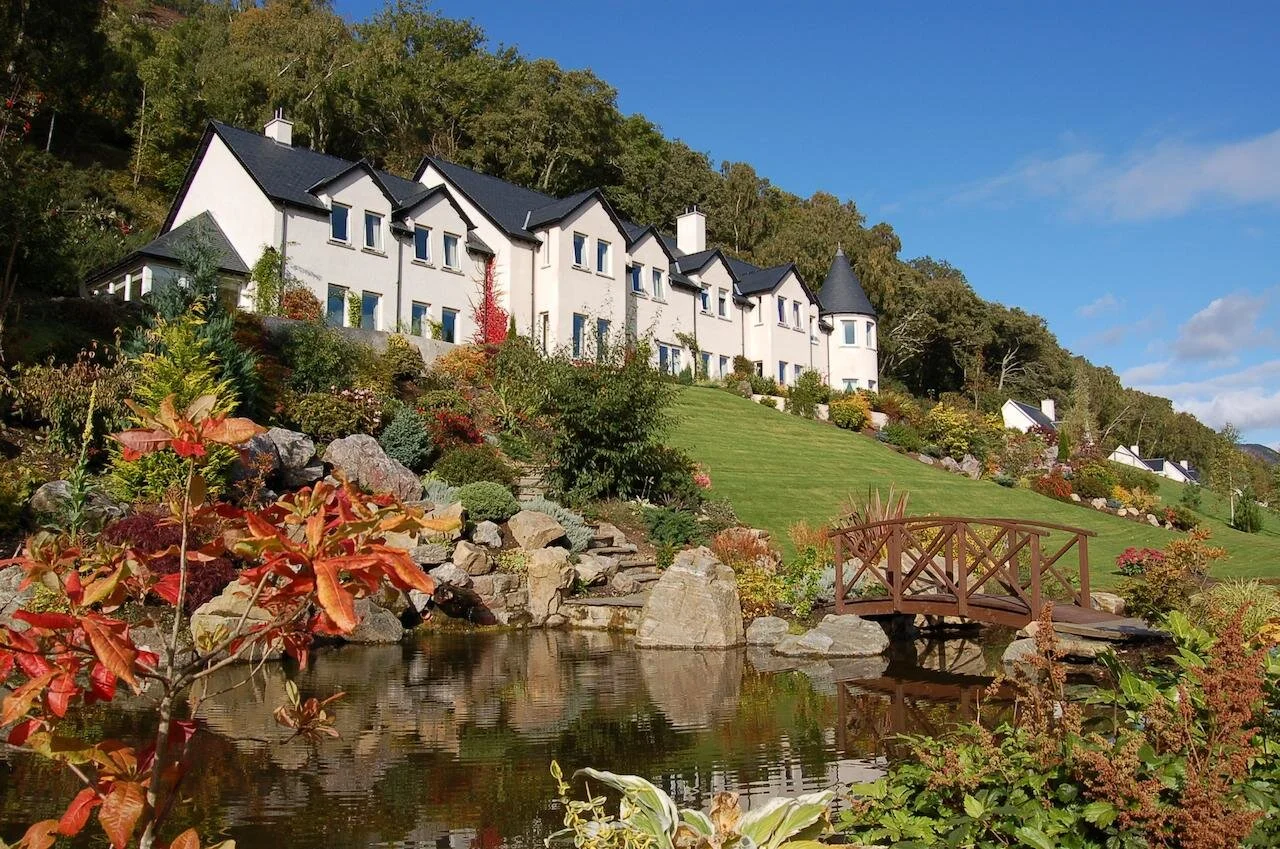
A small Highland guesthouse with loch-facing rooms near Drumnadrochit.
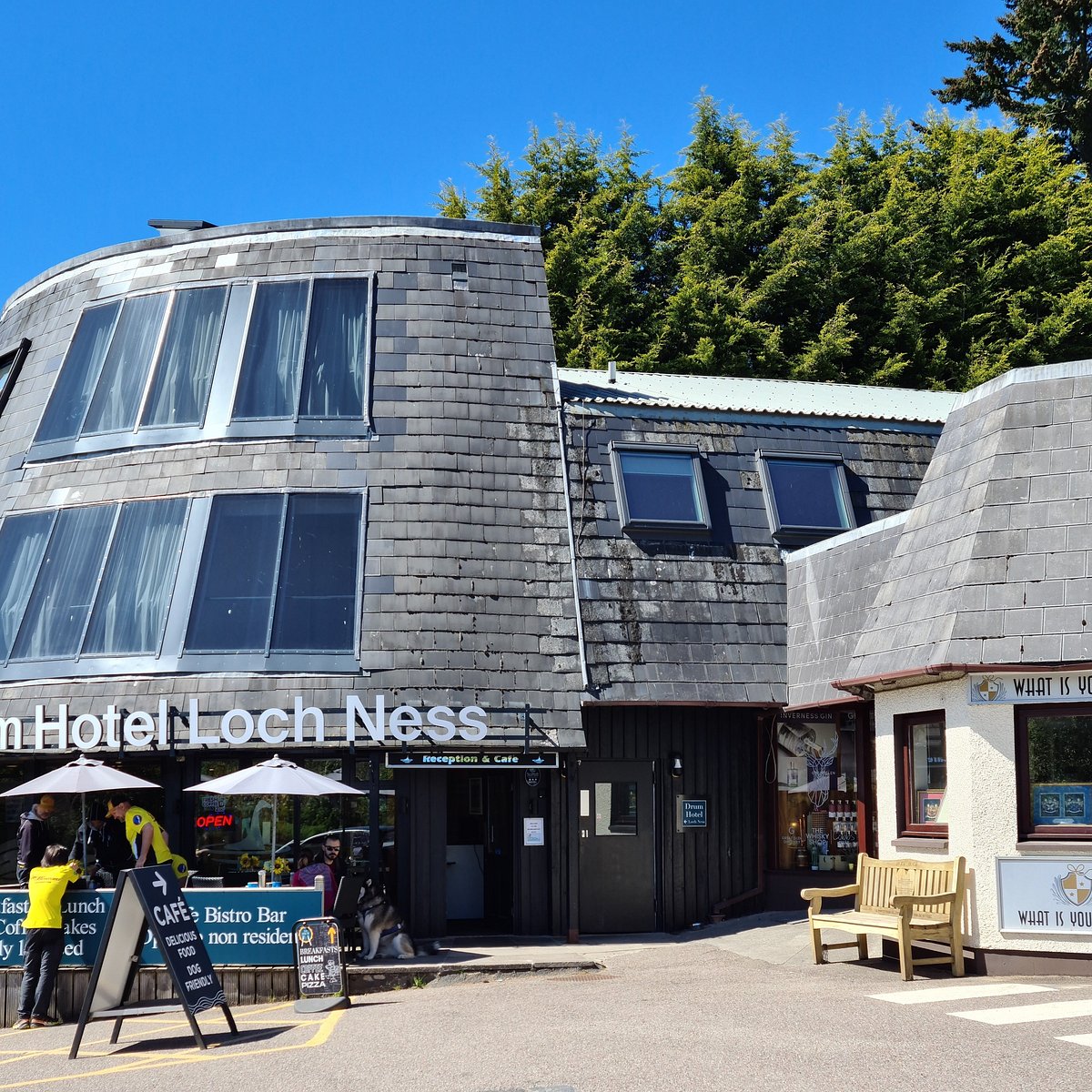
A long-established village hotel adjacent to the Loch Ness Centre itself.
Several guesthouses and B&Bs cluster within walking distance of the Centre.
A rural hostel overlooking the loch south of Drumnadrochit.
Wider choice of hotel chains and independent lodging for those basing themselves in the city.
Join thousands of happy travelers who have discovered this incredible experience
Book Your Experience Now